
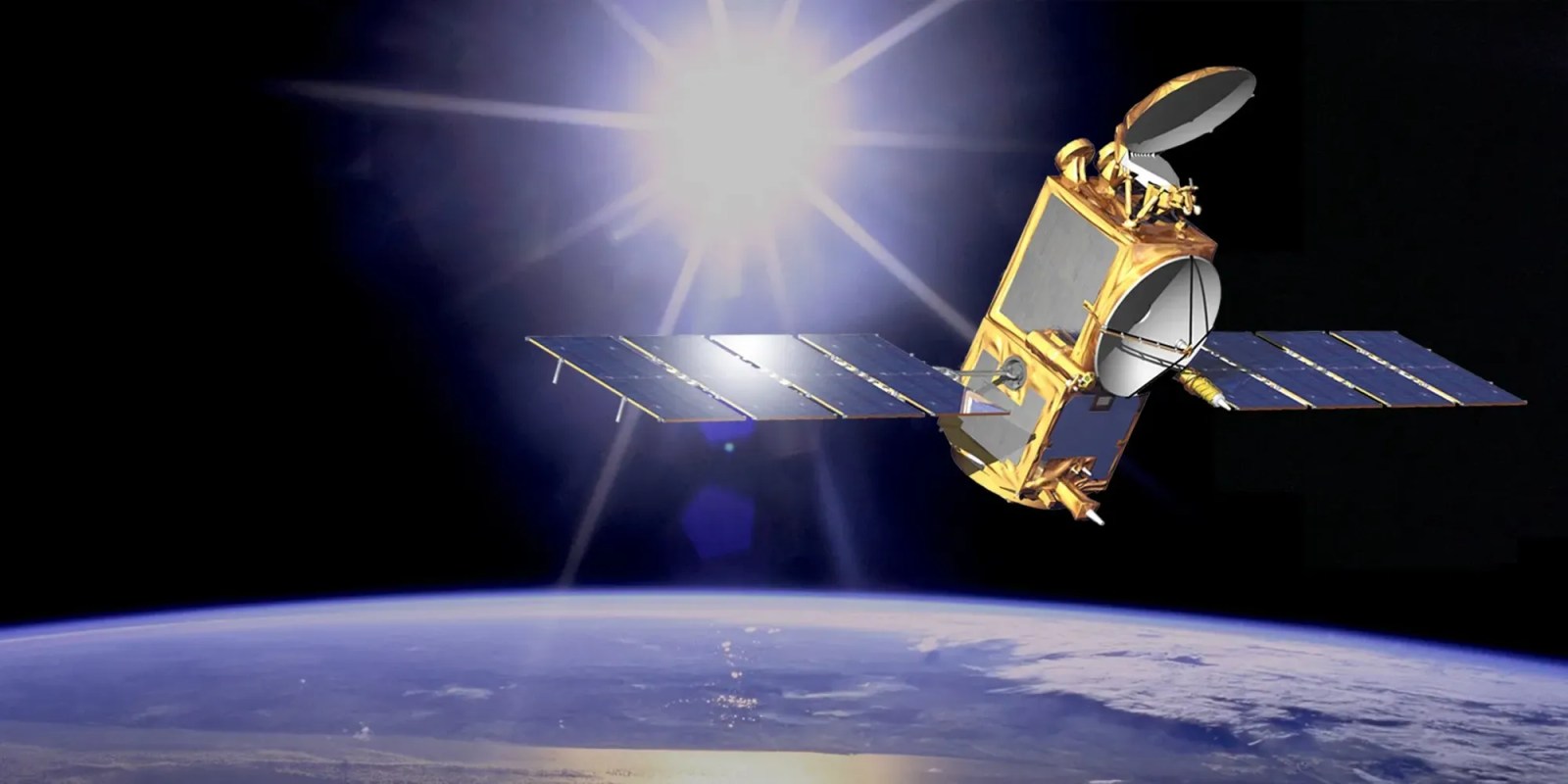
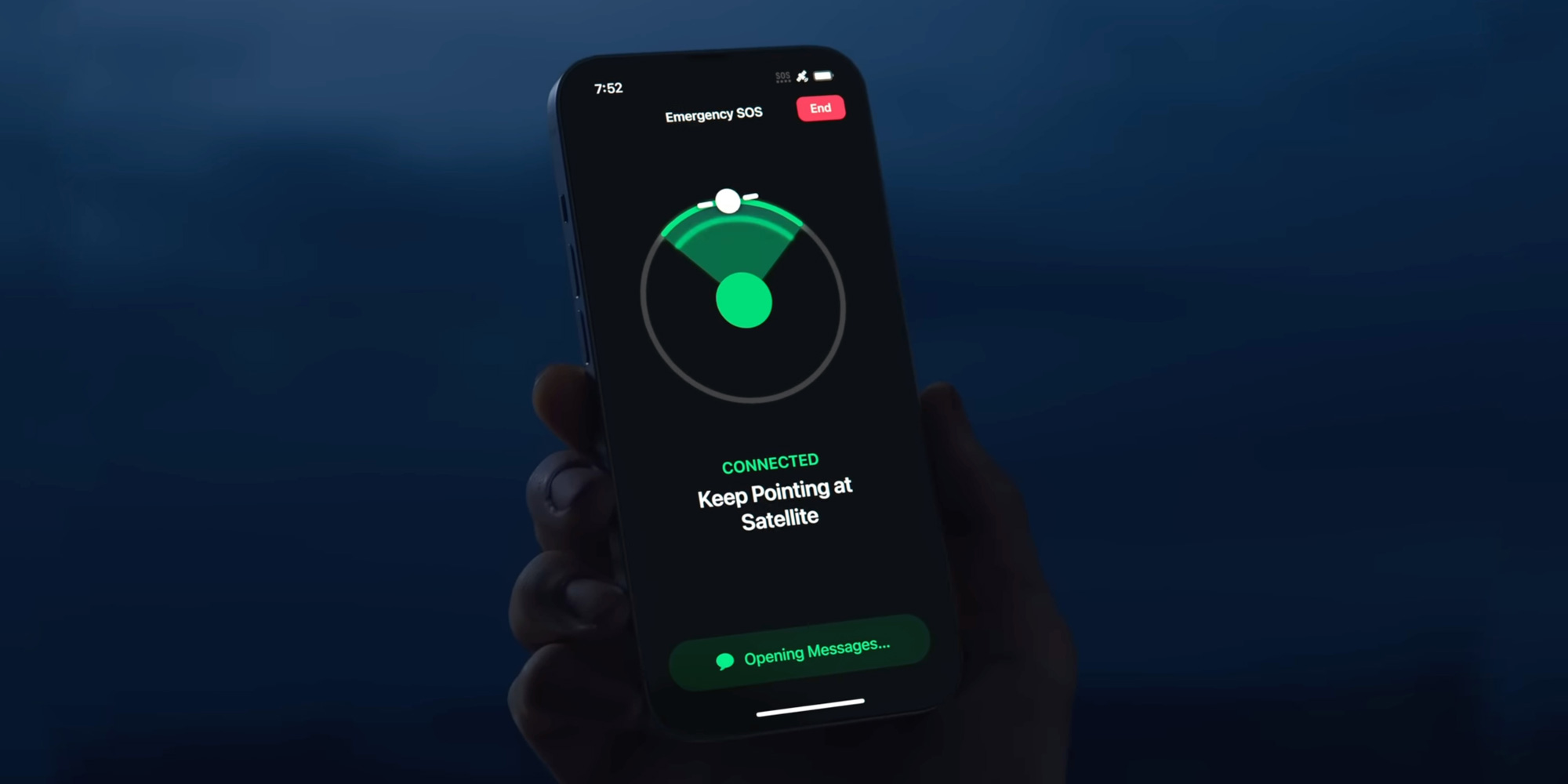
Apple has offered satellite connectivity on the iPhone since 2022 and expanded the service since then. But per a new report from The Information, Apple’s ambitions were once much bigger and have been stunted by fears related to carrier partnerships, the federal government, and even Elon Musk.
Origins of Apple’s huge satellite ambitions
Aaron Tilley and Wayne Ma write at The Information:
Starting in 2015, Apple and Boeing held early discussions about a satellite internet project that would involve delivering full-blown wireless internet service, not just emergency communications services, to iPhones and homes, said five people involved in or briefed on the project.
Through the effort, dubbed Project Eagle within Apple, the companies would lob thousands of Boeing satellites into orbit to beam internet down to iPhones. For home users, Apple planned to offer antennas people could stick to their windows to disperse their internet connection throughout the building. […]
But eventually Apple got cold feet. Tim Cook, Apple’s CEO, was concerned that the project would jeopardize the company’s relationship with the telecom industry, said people with direct knowledge of the project.
Tilley and Ma’s piece offers extensive details on where Apple’s satellite efforts have shifted and struggled since then.
Apple’s reluctance to upset its carrier partnerships is a major recurring theme, which seems to have ultimately stopped the company from pursuing the kind of full-blown satellite offerings it once envisioned.
That’s apparently not the only reason, though.
Concerns over the U.S. government’s involvement, and a former rejection of Elon Musk’s SpaceX seem to play a key role too.
Apple’s concerns over Elon Musk and the US government’s involvement
Per the report, Musk approached Apple in 2022 with an offer after hearing the company was planning to announce a satellite feature with the iPhone 14.
His pitch: SpaceX would agree to exclusively provide satellite connectivity to iPhones for 18 months if Apple would pay it $5 billion up front, according to two people with direct knowledge of the deal. After that period of exclusivity ended, Musk proposed that Apple pay SpaceX $1 billion a year for Starlink service, the people said. Furthermore, if Apple couldn’t come to terms with SpaceX, Musk threatened to announce a similar satellite feature on his own that could work with iPhones, the people added. He gave Apple 72 hours to decide.
Apple rejected the offer from Musk, who later made good on his threat. Two weeks before the iPhone 14 was announced, SpaceX in August 2022 announced a partnership with phone carrier T-Mobile, which allowed smartphone users to send and receive text messages in areas with no reception using Starlink.
It seems that Apple and Musk’s relationship has been a continued point of tension and concern related to ongoing satellite efforts.
Apparently Apple worries that if it expands satellite offerings beyond the current niche functionality, the government—likely nudged by Musk—would get involved.
This is reportedly why Apple has yet to charge for satellite features. Such a move “could trigger the U.S. government to regulate Apple as a telecommunications carrier.” It may also come with significant privacy concerns, like the potential for building a backdoor into iMessage. “Federal law requires telecommunication carriers to allow for surveillance to comply with government information requests.”
The future of Apple satellite efforts
Top comment by King Flake
If Apple was planning to discontinue, or keep minimal satellite features, why would they give Globalstar 1.7 Billion last November to expand their constellation? Just doesn't make any sense...
The piece concludes by mentioning that for all these reasons and more, some within Apple believe the current satellite features should be discontinued and left to carriers to handle. Craig Federighi is reportedly among them.
Rumors for the Apple Watch Ultra 3 indicate it will gain satellite support this year. It seems, then, that advocates of Federighi’s view aren’t getting their way. But regardless, it sounds like Apple’s satellite efforts will remain very limited moving forward.
What do you think of the report on Apple’s satellite ambitions and concerns? What do you think the company should do in this area? Let us know in the comments.
Best iPhone accessories
- Beats Pill speaker (now only $99, down from $149)
- MagSafe Car Mount for iPhone
- HomeKit smart plug 4-pack
- 10-year AirTag battery case 2-pack
- 100W USB-C power adapter for fast charging


FTC: We use income earning auto affiliate links. More.

Comments