
With smartphone addiction a growing problem among US teens, one solution being tried is digital detox summer camps, where parents are charged around $2,000 a week to separate their kinds from their electronic devices.
One kid sent to camp was so desperate to remain connected he brought three phones with him, handed over one, had another found in his bag, and was ratted out on the third by his room-mate …
Smartphone addiction has been a problem for so long now that it was officially declared to be a psychiatric disorder back in 2019, with an average of 23% of kids and young adults found to suffer from it. Studies had already shown that excessive usage led to increased rates of teen depression and even suicide risk.
Wired reports on summer camps aiming to part teens from their phones for the summer.
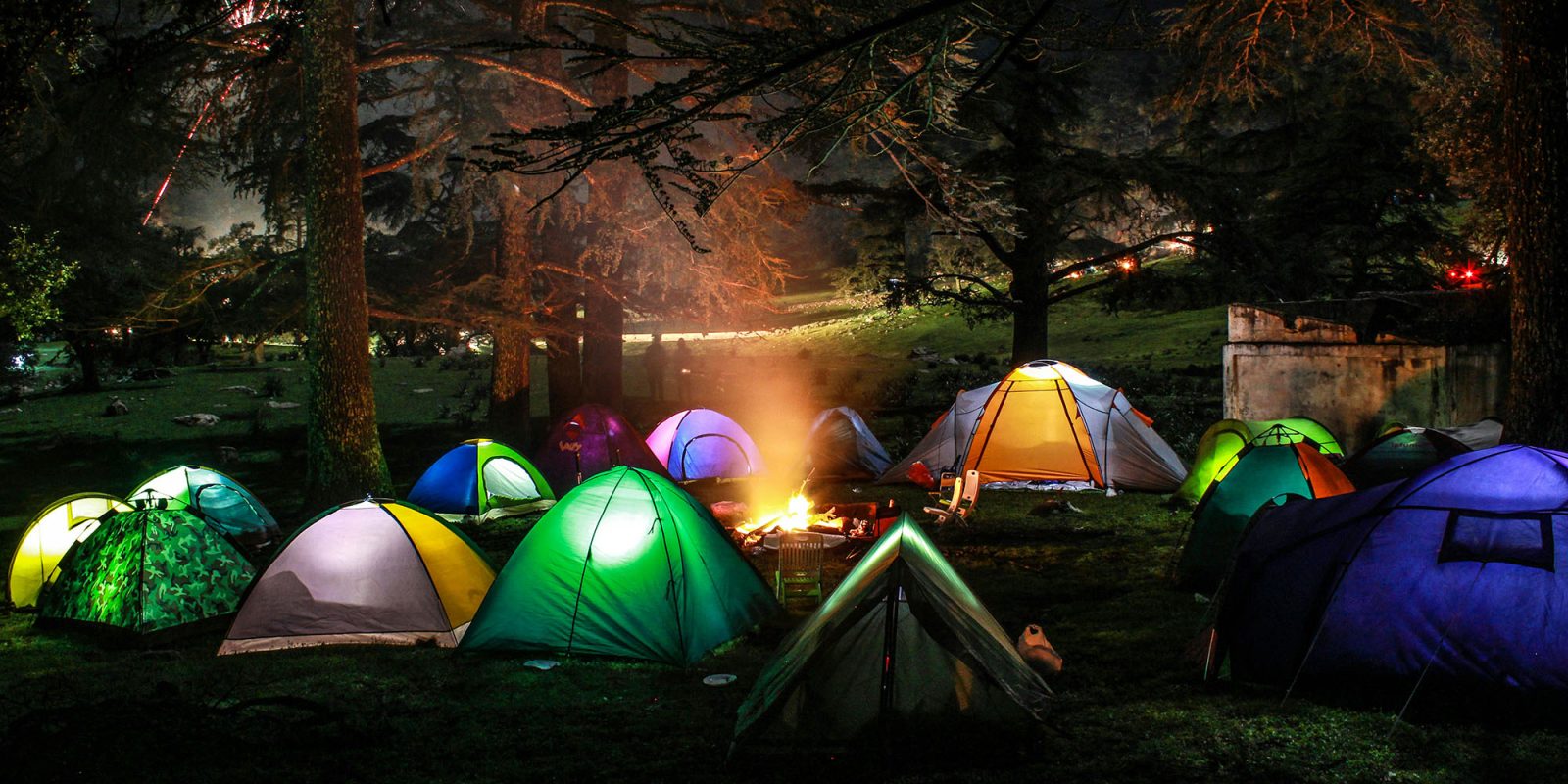
Families are establishing screen-free zones in their homes, states are banning phones in schools, and a new kind of summer camp has emerged: digital detox camps, which can cost around $2,000 a week, and promise to wean attendees off screens by going cold turkey for the summer.
The kid who brought spare phones with him wasn’t even the most extreme example. Another ran away, then went on hunger strike for three days when the highway patrol brought him back. They ended up having to take him to hospital.
Top comment by CarAnalogy
Isn't this just called Summer camp? Since when would a Summer camp allow kids to just sit around on their devices all day?
Also, if it's a clinically recognized disorder, what's the clinically recommended treatment? Is it cold turkey in rehab? Probably good for these kids to get out and away from their parents for a while, but is total cold turkey the best approach? Are the counselors trained psychologists?
One organiser said that they do all the standard summer camp activities, but first have to tackle things like getting kids out of bed in the morning and converting them to eating actual food.
Their sleeping and eating habits are horrible. Most kids, especially the online gamers, are up until 2 or 3 in the morning. They don’t get up until noon or later. It’s a disaster. And their eating habits, they’re equally horrible—Doritos and Gatorade, just horrible snack food.
Many of the kids who arrive there are socially isolated, mumbling and failing to make eye-contact with anyone – but the camp has a simple way to encourage them to make friends.
They have one or two roommates in their dorm rooms. Typically, they are not happy about that. Most kids who come to our program have their own room at home. But what’s funny is that it creates this us-against-them mentality, because they don’t want to be there, and their roommate doesn’t want to be there. They hate us, they hate their parents for sending them there, so they kind of bond without meaning to right off the bat.
Ridiculous, or sadly necessary? Let us know your thoughts in the comments.
Highlighted accessories
- Official Apple Store on Amazon
- Anker 511 Nano Pro ultra-compact iPhone charger
- Spigen MagFit case for iPhone 16e – adds MagSafe support
- Apple MagSafe Charger with 25w power for iPhone 16 models
- Apple 30W charger for above
- Anker 240W braided USB-C to USB-C cable
Photo by Hichem Meghachou on Unsplash


FTC: We use income earning auto affiliate links. More.



Comments