
Apple has frequently used small variations on the same one-sentence justification when giving in to government demands that conflict with the company’s stated values: “Apple complies with the law in each of the countries in which it operates.”
However, there are occasions on which the company has instead chosen to stand up to unreasonable government demands, and we yesterday saw the latest (and highly successful) example …
Apple stood up to the Indian government and won
The latest story began on Monday, when India ordered Apple to pre-install an undeletable state security app on iPhones. The government positioned it as a way to help users recover lost and stolen phones, but since it ensures that all phones can be tracked by the government, that has obvious implications for user privacy.
We said at the time that Apple was likely to push back on this, hoping to negotiate a compromise, but the company went further than this and outright refused to comply.
The company’s response led to India immediately backing down on one key element of its demand: that users be unable to remove the app from their devices.
Not long after I wrote this piece, the Indian government also made a U-turn on the requirement to pre-install it in the first place.
Earlier examples of Apple standing firm
It’s not the first time Apple has adopted a strong stance in refusing to comply with a government demand. The most famous example was the case of the San Bernardino shooting, where the FBI insisted that Apple provide a backdoor to allow it to unlock the shooter’s iPhone, and the company refused.
The iPhone maker came under a huge amount of flak from government and law enforcement agencies, but said the issue was too important to give in. Ultimately, it won the battle and was proven right in its claims that the FBI could use alternative means to access the device.
We saw a brief repeat of the conflict in the case of another shooting in Pensacola. Again, Apple stood firm.
It was a similar story in the UK. The British government demanded that Apple compromise the end-to-end encryption of iMessage and the company refused. It said it would withdraw iMessage and FaceTime from the UK rather than comply. Apple again emerged victorious in that battle, with the UK government quietly backing down.
It’s a very different story in China
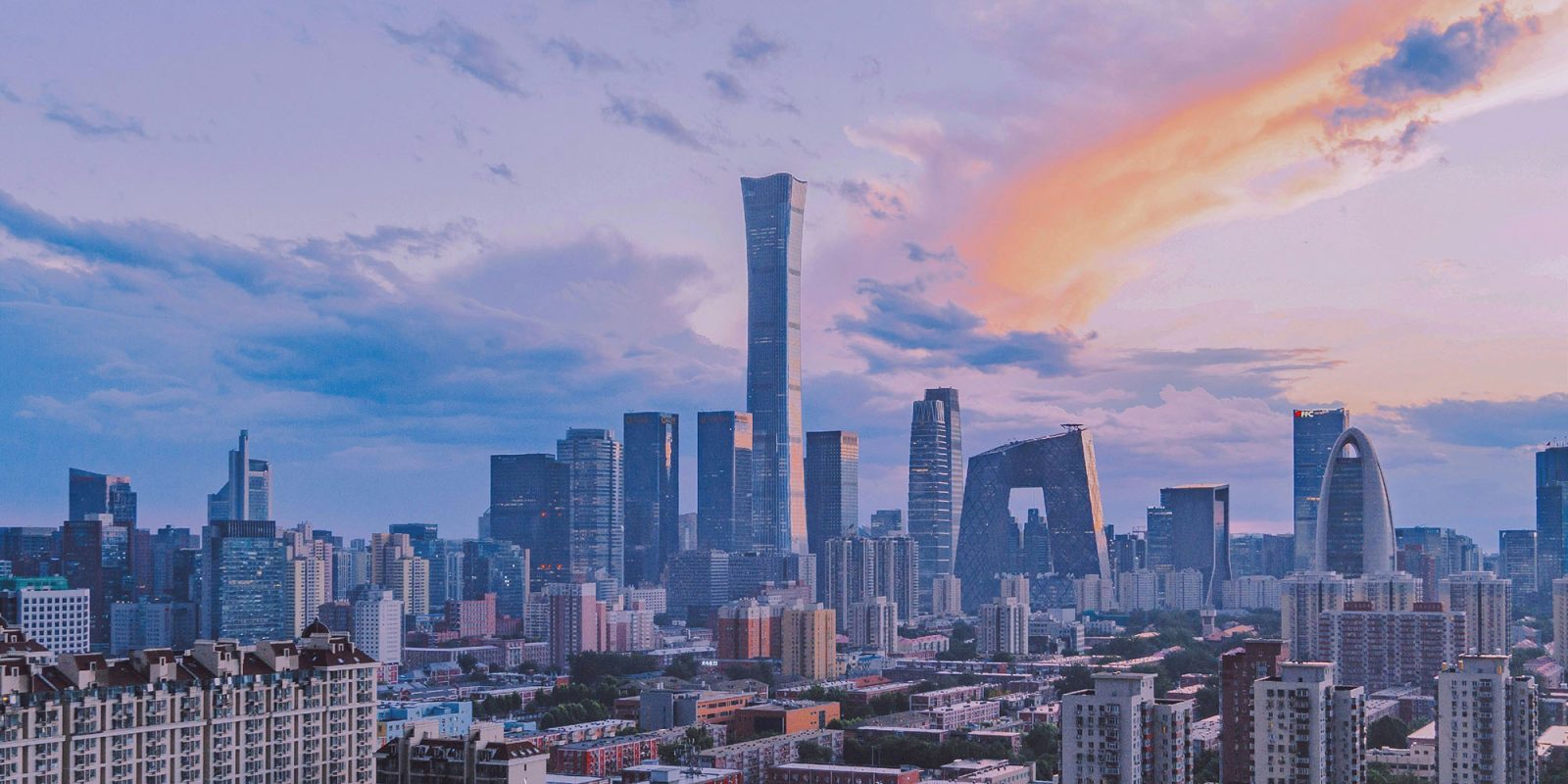
Things are very different in China, however. Apple has on numerous occasions been faced with demands to accede to repressive laws in the country, and each time has meekly complied using that “Apple complies with the law in each of the countries in which it operates” boilerplate statement.
Here are just a few examples …
On several occasions, the Chinese government asked Apple to remove news apps from its Chinese App Store because their coverage didn’t conform with government propaganda. This includes the New York Times app in 2017 and the Quartz news app in 2019. Apple complied in all cases.
When Chinese citizens used VPN apps to bypass the Great Firewall of China and access websites banned by the government, the country responded by insisting that Apple remove more than 400 VPN apps from its App Store. Again, the company did as it was told.
It was the same story with Skype, which the Chinese government objected to because it couldn’t eavesdrop on conversations, again with a Hong Kong protest app, and yet again with gay dating apps.
When Hong Kong citizens started using the Everyone option in AirDrop to pass details to each other about upcoming protests, the Chinese government insisted that Apple introduce a 10-minute timeout to the feature.
Perhaps most egregiously, the Chinese government insisted that Apple move the iCloud data of all Chinese customers to a server run by GCBD, a company owned by the provincial government. While there were some extremely carefully-worded statements about privacy, the reality was that Apple handed over the iCloud encryption keys, meaning that the government would be able to access the user data of any Chinese iCloud user.
The big question
Each time China has made one of these demands, Apple has insisted that it has no option but to comply with the law. And yet the company appears to apply different standards to different regimes.
In the US, Apple had sufficient confidence in the independence of the judiciary to challenge the FBI in court. In the UK, it believed it had enough power to force the government to back down in the face of a threat to withdraw services from British citizens. In India, it was likewise satisfied that the government would ultimately back away when faced with a direct refusal to comply.
Admittedly, the stakes for Apple in China could not be higher. The country is not only a massive market for the company’s products, but it would be literally impossible for it to even manufacture them were it to be thrown out of the country.
Equally, however, Apple brings a huge amount of manufacturing revenue to China, and the government would be loath to lose this. The big question, then, is what would happen if Apple chose to stand up to the Chinese government in the same way it has in the US, UK and India?
Perhaps, ultimately, Apple would lose. China has a track record of responding aggressively when its demands are not met. But it would be nice to see the iPhone maker at least try to resist some of the more repressive demands made by the Chinese government – to at least test the waters. Maybe it would fail, but it would likely be respected for trying, and who knows, it may succeed in some cases?
What’s your view? Would you like to see Apple take a stronger stand in response to threats to human rights in China, or do you think the company is simply bowing to the inevitable? Please share your thoughts in the comments.
Highlighted accessories
- Official Apple Store on Amazon
- Apple 40W Dynamic Power Adapter for iPhone 17
- Official Apple iPhone Air cases and bumpers
- iPhone Air MagSafe Battery
- Official iPhone Air case
- Official iPhone 17 cases
- Official iPhone 17 Pro cases and Pro Max cases
Photo by Albert Canite on Unsplash


FTC: We use income earning auto affiliate links. More.




Comments