
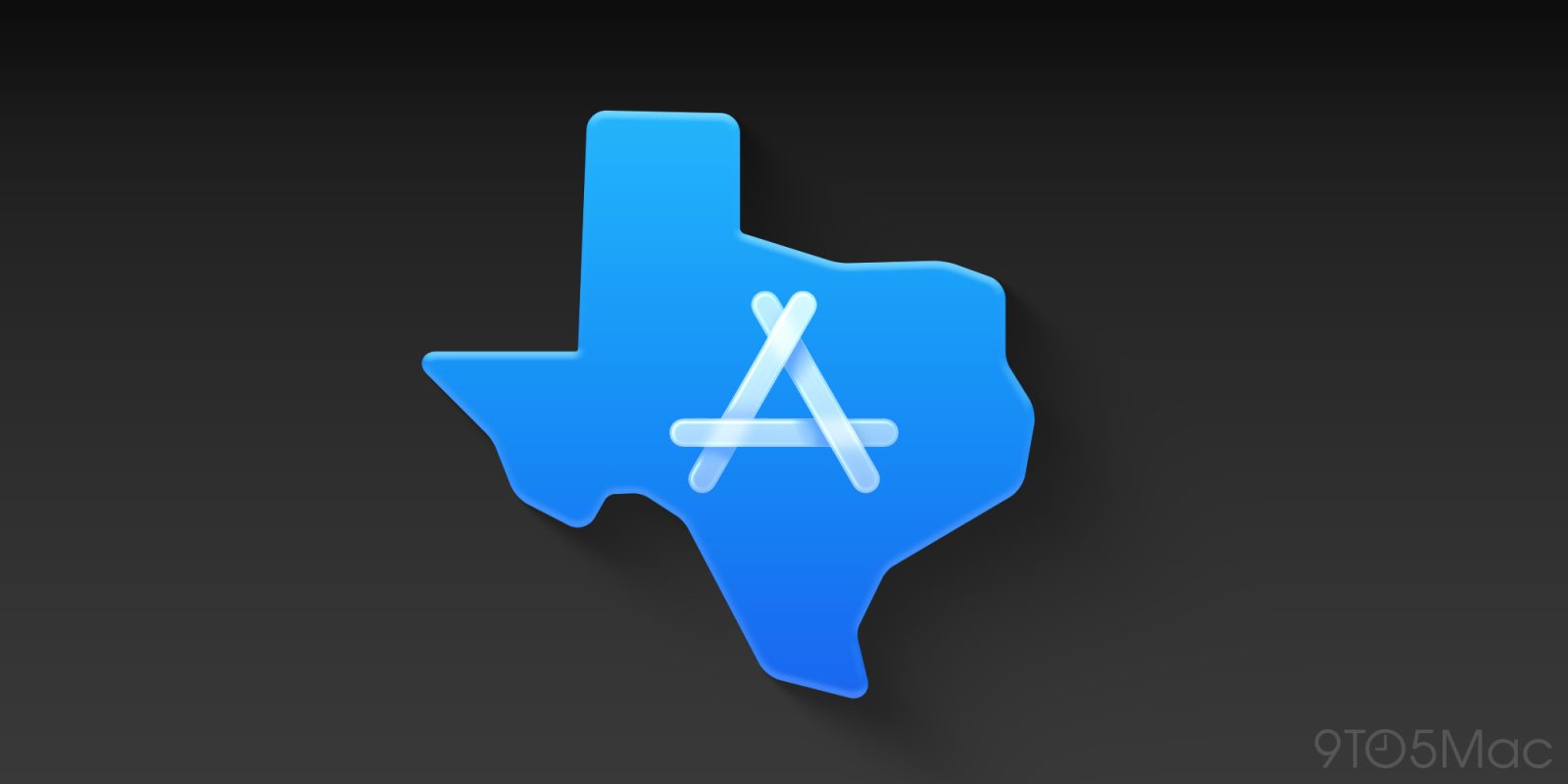
Update, 8:27 p.m. ET: In a post on its Developer blog, Apple has confirmed that it will “pause previously announced implementation plans and monitor the ongoing legal process”. See the full post below.
The decision comes just a few days before the Texas App Store Accountability Act (SB 2420) was set to take effect. Here are the details.
Blocked, but not dead
Last month, Apple released multiple API and sandbox tools to help developers comply with SB 2420, which would require platforms such as the App Store to verify users’ ages before downloading apps or accessing paid in-app content.
In a nutshell, the law would make Apple accountable for age verification on the App Store, a responsibility that Apple has been seeking to avoid.
Earlier this month, Tim Cook was spotted in Washington, where he met with members of the House Committee on Energy and Commerce on Capitol Hill to discuss Apple’s privacy concerns.
That meeting happened after Apple’s global head of privacy, Hilary Ware, pushed back against SB 2420 in a letter addressed to the same committee, stating the following:
There are better proposals that help keep kids safe without requiring millions of people to turn over their personal information. (…) Apple’s age assurance feature is one such example of a more achievable, privacy-focused path forward… This privacy-preserving solution allows a parent to share their child’s age range with an app developer, without having to share sensitive, specific information like a birthdate or government ID.
Today, as reported by The Verge, Federal Judge Robert Pitman granted a preliminary injunction on SB 2420, stating that despite recognizing ”the importance of ongoing efforts to better safeguard children when they are on their devices,” SB 2420 “is more likely than not unconstitutional”.
That was in response to a motion filed by the Computer & Communications Industry Association, whose members include Amazon, Apple, and Google, all of which operate app stores.
From his decision:
The Act is akin to a law that would require every bookstore to verify the age of every customer at the door and, for minors, require parental consent before the child or teen could enter and again when they try to purchase a book. As set out below, the Court finds a likelihood that, when considered on the merits, SB 2420 violates the First Amendment
Despite today’s injunction, SB 2420 is not dead. Texas won’t be able to enforce the law while the lawsuit continues, but it will likely appeal, with proceedings potentially moving to the Fifth Circuit Court of Appeals.
Still, today’s decision is a significant win for Apple, as it bolsters the company’s arguments against similar laws in Utah and Louisiana, as well as a federal version currently being considered in Congress.
Update, 8:27 p.m. ET: Apple has confirmed that it will “pause previously announced implementation plans and monitor the ongoing legal process” related to Texas state law SB 2420.
The company also said that its previously announced tools, including Declared Age Range API, Significant Change API under PermissionKit, New age rating property type in StoreKit, and App Store Server Notifications, “can also be used to help developers with their obligations under laws coming into effect in Utah and Louisiana in 2026.
Finally, Apple noted that the “Declared Age Range API remains available worldwide for users on iOS 26, iPadOS 26, and macOS 26, or later.”
Accessory deals on Amazon
- AirPods Pro 3
- Beats USB-C to USB-C Woven Short Cable
- Wireless CarPlay adapter
- Logitech MX Master 4
- Apple AirTag 4 Pack
FTC: We use income earning auto affiliate links. More.




Comments