
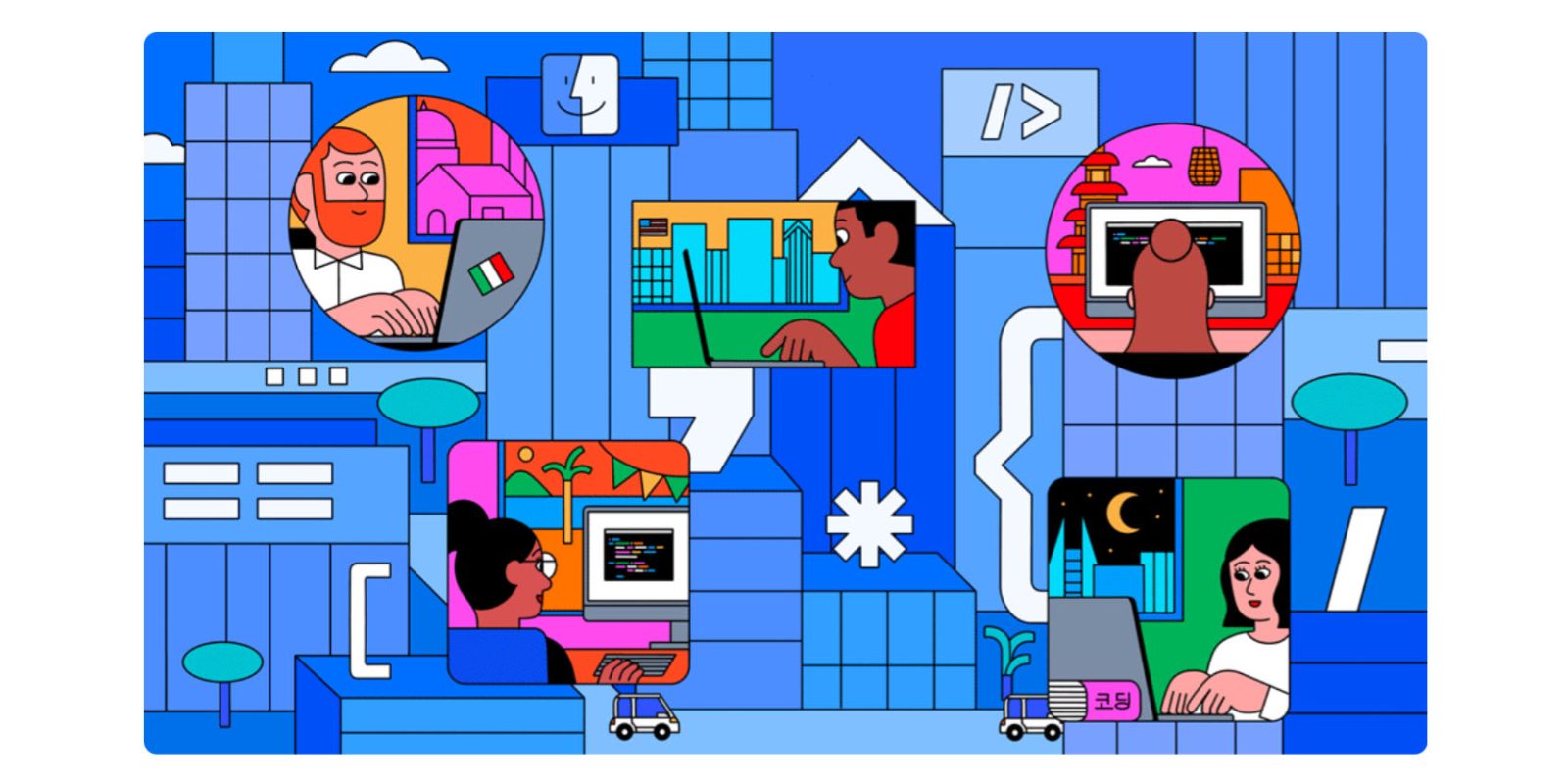
The effectiveness of the Apple Developer Academy training provided in Detroit has been called into question, alongside the value for money it offers.
A previously unreported funding breakdown shows that although Apple made the largest contribution to the program, more than half as much comes from Michigan taxpayers …
The Apple Developer Academy in Detroit
The Apple Developer Academy in Detroit was the first to open in the United States after previously launching in Brazil and Italy. It was introduced as part of Apple’s Racial Equity and Justice Initiative, a program created to combat racism and create opportunities for “communities of color across the country.”
The 10-month program provides training on software development and app design for iOS, macOS, and other Apple platforms. Training materials cover the Swift programming language, interface prototyping, and business skills. Some students are invited to attend for a second year.
It was of course known that Apple was a major sponsor, but the exact breakdown of expenses and contributions hasn’t previously been reported.
Taxpayers contributed half as much as Apple
A Wired report suggests that Apple paid just under 40% of the $29.6 million total cost over the four years in which the academy has been operating.
Previously unreported funding records for the academy’s first four years show Apple contributed about $11.6 million. Gifts from the foundation and the university’s credit union accounted for over $9.4 million. Nearly $2.6 million came from the state and non-academy students’ tuition. An additional $6 million from the state, effectively from taxpayers, helped cover the cost of living checks.
Effectiveness and value questioned
The total costs work out to around $20,000 per student, and the piece questions whether it is effective in its goals of getting students into employment.
About 71 percent of graduates from the last two years went onto full-time jobs across a variety of industries, according to academy officials. Amy J. Ko, a University of Washington computer scientist who researches computing education, calls under 80 percent typical for the coding schools she has studied but notes that one of her department’s own undergraduate programs has a 95 percent job placement rate […]
[Students] allege the biggest challenge is that many current second-year projects are for small businesses that are unclear about their goals for an app and seem unlikely to hire the students when they finish. “I was feeling hopeful about moving into the tech world, and it just feels like that isn’t really going to be possible because I am not getting the experience,” the student says.
Apple says that the statistics don’t provide a full picture and that many of the skills learned are also applicable to a wide range of non-coding careers.
Susan Prescott, Apple’s vice president of worldwide developer relations, says most graduates take on roles that involve coding, design, project management, and marketing skills honed at the academy. In the company’s view, alumni success isn’t fully captured in statistics.
9to5Mac’s Take
It’s true that the average cost per student here is significantly higher than for typical community colleges, but achieving full-time employment rates roughly in line with other coding schools while targeting a historically underrepresented demographic seems pretty good to me.
Highlighted accessories
- Official Apple Store on Amazon
- Apple 40W Dynamic Power Adapter for iPhone 17
- Official Apple iPhone Air cases and bumpers
- iPhone Air MagSafe Battery
- Official iPhone Air case
- Official iPhone 17 cases
- Official iPhone 17 Pro cases and Pro Max cases
Graphic: Apple
FTC: We use income earning auto affiliate links. More.





Comments