
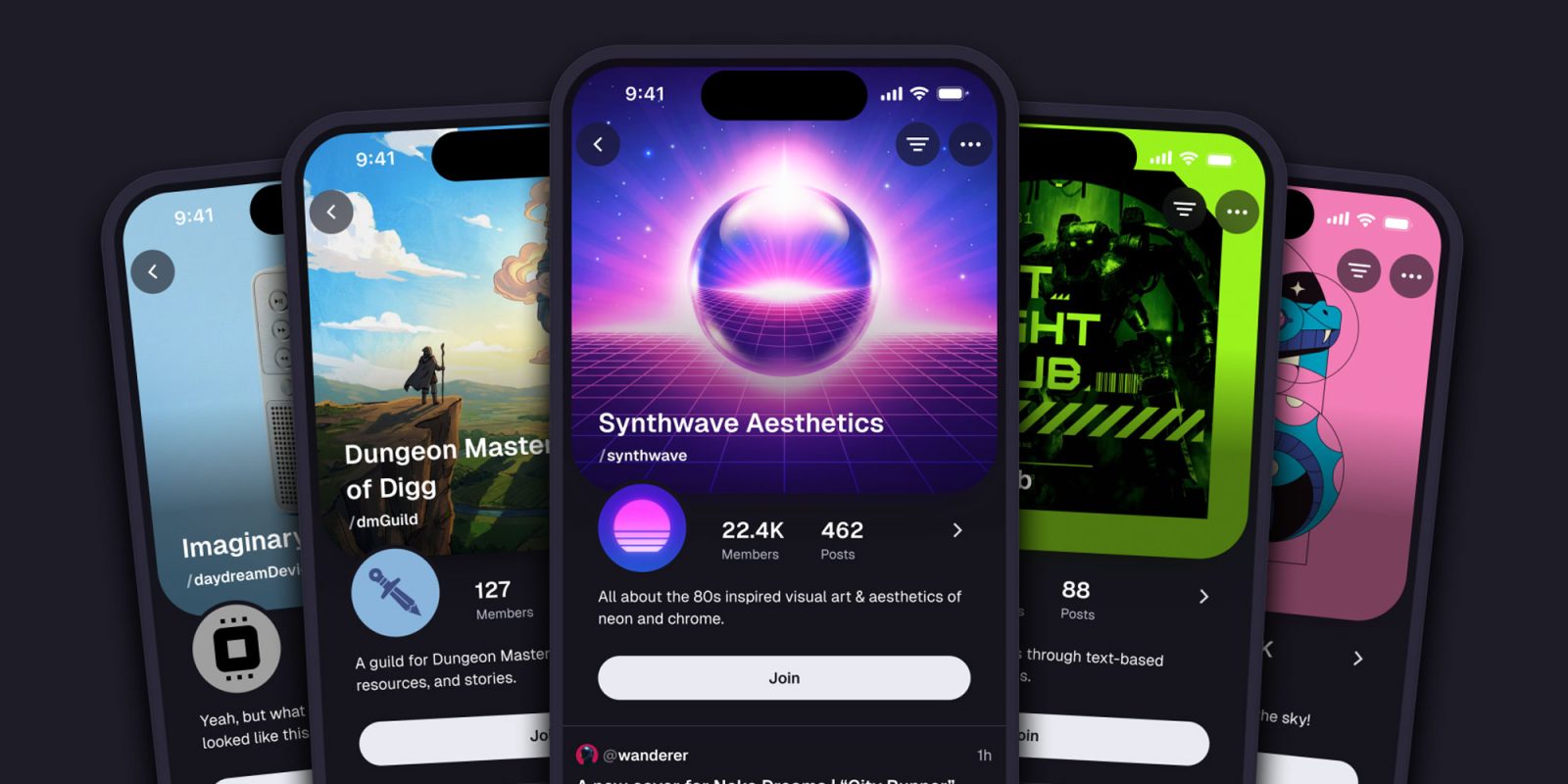
Last January, we covered the long-awaited relaunch of community platform Digg, following a months-long closed beta. Today, Digg CEO Justin Mezzell announced that the site is going offline as a result of “an unprecedented bot problem.” Here are the details.
A bit of context
Last March, Digg’s original founder, Kevin Rose, announced that he would be joining forces with Reddit co-founder Alexis Ohanian to relaunch Digg, following their acquisition of the platform from a digital advertising company.
Digg was originally founded in 2004 and saw massive popularity before gradually losing relevance. In 2012, the company was sold, and its assets changed hands multiple times before last year’s reacquisition.
Shortly after the reacquisition, Digg relaunched as a closed beta and moved to a public beta just two months ago.
At the time, the company explained that it planned to tackle the endemic problem of inauthentic behavior on social networks with a mix of AI and “multiple verification cues”.
From our coverage last January:
With that in mind, the new Digg will apply signals of trust to pick up on patterns of authentic participation. They will bundle multiple verification cues and technologies together to fight AI-driven spam, and may even require proof of product ownership before users can join and post in certain communities.
As it turns out, that didn’t work.
Digg shuts down again, pledges to return again
Users who tried to access Digg today were greeted with a letter from CEO Justin Mezzell, announcing “a hard reset, and what comes next.”
In it, he acknowledges that the bot problem was far worse than the team anticipated, stating that “this isn’t just a Digg problem. It’s an internet problem. But it hit us harder because trust is the product.”:
When the Digg beta launched, we immediately noticed posts from SEO spammers noting that Digg still carried meaningful Google link authority. Within hours, we got a taste of what we’d only heard rumors about. The internet is now populated, in meaningful part, by sophisticated AI agents and automated accounts. We knew bots were part of the landscape, but we didn’t appreciate the scale, sophistication, or speed at which they’d find us. We banned tens of thousands of accounts. We deployed internal tooling and industry-standard external vendors. None of it was enough. When you can’t trust that the votes, the comments, and the engagement you’re seeing are real, you’ve lost the foundation a community platform is built on.
On the other hand, Mezzel says that Digg isn’t going away. He says that the Digg team will be “significantly downsized,” but announces that Kevin Rose will be joining the company full-time to help prepare it for the new reboot:
A small but determined team is stepping up to rebuild with a completely reimagined angle of attack. Positioning Digg as simply an alternative to incumbents wasn’t imaginative enough. That’s a race we were never going to win. What comes next needs to be genuinely different.
We’re also announcing something we’re excited about: Kevin Rose, Digg’s founder who started the company back in 2004, is returning to join the team full-time. Starting the first week of April, Kevin will be putting his focus back on the company he built twenty+ years ago. He’ll continue as an advisor to True Ventures, but Digg will be his primary focus. We couldn’t think of a better person to help figure out what Digg needs to become.
Mazzel ends his letter thanking users and the team who contributed to Digg’s return, and confirms that their podcast, diggnation podcast, “will continue recording monthly while we work on the re-reboot.”
To read his full letter, follow this link.
Worth checking out on Amazon
- David Pogue’s ’Apple: The First 50 Years’ book
- MacBook Neo
- Logitech MX Master 4
- AirPods Pro 3
- AirTag (2nd Generation) – 4 Pack
- Apple Watch Series 11
- Wireless CarPlay adapter
FTC: We use income earning auto affiliate links. More.


Comments