
We’re expecting the iPhone 17 Air to be Apple’s thinnest ever phone, but with the depth of phones now constrained by the USB-C port, would you go portless to get a thinner iPhone?
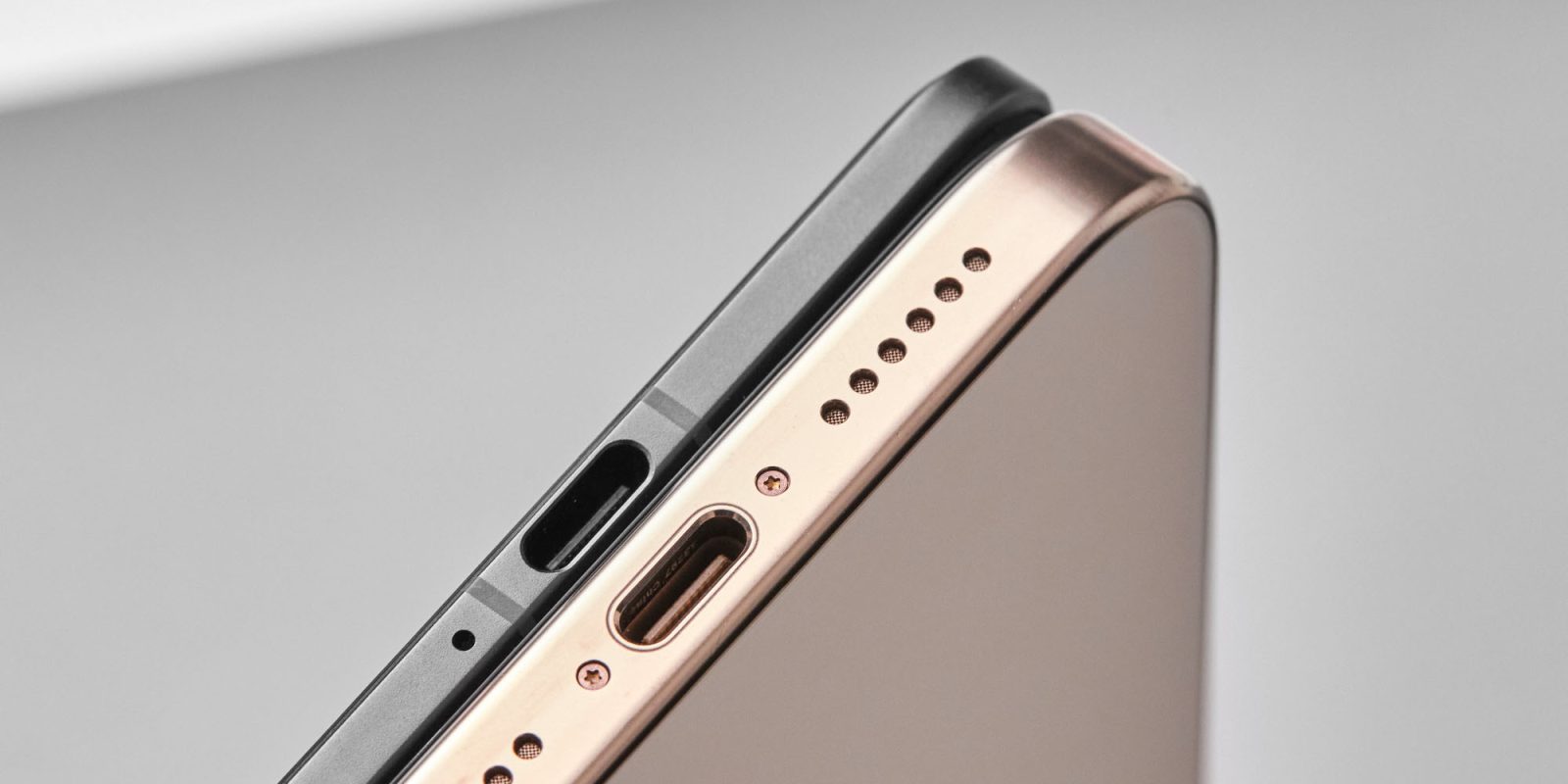
Chinese Android smartphone maker Oppo has been teasing an ultra-thin model, and saying that the height of the USB-C port is preventing phones from getting any slimmer …
iPhone 17 Air
We first heard last year that the iPhone 17 Air will be Apple’s thinnest ever phone.
A 2mm reduction compared to the 16 Pro would equal about a 25% thinner phone overall—slightly more than 25% compared to Pro models, and slightly less with the base models. This is in line with previous expectations of a device that’s overall close to 6mm thick.
That got an asterisk when Ming-Chi Kuo added the rider that “the thinnest part” would be 5.5mm. That led some to speculate about a possible wedge shape, but the likelier bet here is a new-style camera bump.
Oppo says the USB-C port is now the limit
Oppo has been teasing a new Find N5 Android phone (via Daring Fireball). That particular example is a folding one, adding impetus to the need to make the casing as thin as possible.
A photo against the iPhone 16 shows just how close Oppo is now to the limits of how thin it’s possible to go while retaining a USB-C port.
Thinness is not the limit of Find N5, but the limit of the charging port.
Portless iPhone rumors
We’ve been hearing suggestions for years that Apple is headed toward a portless iPhone, relying solely on wireless charging for power and AirDrop for data.
Top comment by Matthew Gasaway
I’d happily make the phone thicker to add battery life.
I’m not sure where the purported demand for thinner and thinner phones is coming from. They’re just more fragile with smaller batteries.
A few years ago, I suggested four reasons why Apple probably would go this route at some point, but while it would be fine for most consumers, some would still need a wired port.
Most iPhone owners don’t need a port – and even fewer will do so in the future. Few iPhone owners ever do any wired data-transfer, and most people can get their charging needs met through overnight wireless charging. For top-up charges, we’re seeing a growing number of wireless charging pads in cars, coffee shops, hotels, airports, offices … you name it.
But Apple cannot have things both ways: argue that the iPhone is a suitable camera for professional video use (albeit mostly as a B-cam or C-cam) while at the same time removing the only practical way to transfer significant amounts of 4K (and later 8K) video footage. If you’re using an iPhone for pro video shoots, a wired port is a necessity.
Would you sacrifice USB-C for thinness?
So if Apple does go this route, with an iPhone 18 Air or beyond, would you be willing to give up wired charging and data transfer in exchange for an even slimmer device?
Please take our poll, and share your thoughts in the comments below.
Photo: Oppo


FTC: We use income earning auto affiliate links. More.




Comments