It turns out that his hobby 9to5Mac blog was always his favorite and in 2011 he went full time adding his Fortune Google followers to 9to5Google and adding the style and commerce component 9to5Toys gear and deals site. In 2013, Weintraub bought one of the Tesla’s first Model S EVs off the assembly line and so began his love affair with the Electric Vehicle and green energy which in 2014 turned into electrek.
In 2018, DroneDJ was born to cover the burgeoning world of drones and UAV’s led by China’s DJI.
From 1997-2007, Weintraub was a Global IT director and Web Developer for a number of companies with stints at multimedia and branding agencies in Paris, Los Angeles, New York, Sydney, Hong Kong, Madrid and London before becoming a publisher/blogger.
Seth received a bachelors degree in Industrial and Systems Engineering from the University of Southern California with a minor in Multimedia and Creative Technology in 1997. In 2004, he received a Masters from NYU’s Tisch School of the Art’s ITP program.
Hobbies: Weintraub is a licensed single engine private pilot, certified open water scuba diver and spent over a year traveling to 60 cities in 23 countries. Whatever free time exists is now guaranteed to his lovely wife and two amazing sons.
“By making iPhone available on pre-paid plans through Cricket Wireless, we are making the best smartphone more accessible to an even broader market in the US,” Apple representative Natalie Harrison said.
Apple took a big step today in the United States by aligning with Cricket prepaid Wireless. While you can buy an iPhone off-contract (for significantly more than the above Cricket prices), and then go on AT&T, T-Mobile, or any GSM carriers’ network, this is the first time Apple has let the iPhone play in the prepaid market.
Cricket’s monthly fee for unlimited anything (data throttled after 2.3GB) is $55 per month, which is very low for all things considered. You can also quit at any time, take months off, or trade phones. However, you need to buy the iPhone at an “unsubsidized rate.” But is it really unsubsidized?
What is interesting is that Cricket offers the iPhone 4 for $399 and iPhone 4S for $499. Look at Apple’s prices for unlocked iPhone 4S (iPhone 4 costs $549):
.
There is a $150 gap somewhere. Perhaps Cricket is subsidizing some of the cost by thinking buyers will eventually make up that $150 difference in service fees. Apple may also offer Cricket a discount as it buys large quantities of iPhones, because Apple is hoping to spread its customer base.
We are not sure how many prepaid customers will shell out $400 to $500 up front for an iPhone. However, there are probably some jailbreaker/unlockers or otherwise who would like to take a Cricket iPhone and use it off-network (or without a network).
Sprint, which carries the iPhone, and owns two big prepaid networks in Virgin and Boost Mobile, will likely have an iPhone prepaid offering in the coming months too.
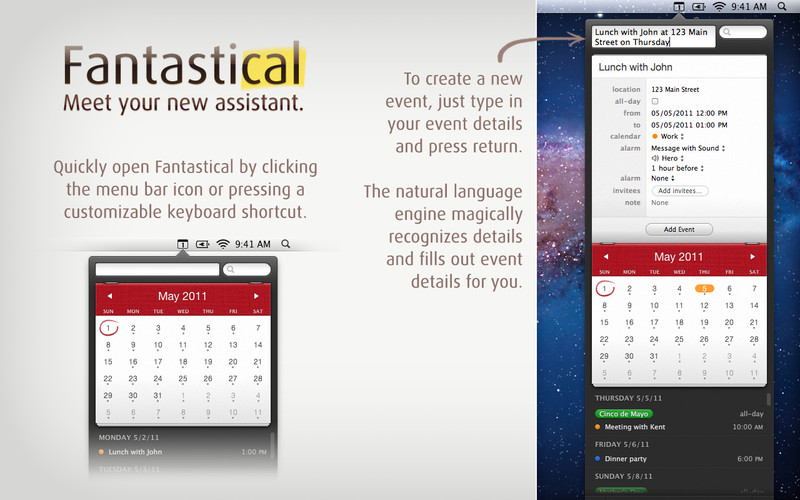
Perhaps our favorite Mac Calendaring app got a big update today: Fantastical (App Store—$19.99) now supports iCal and iOS reminders. It is free for all existing customers. The press release follows: Expand Expanding Close
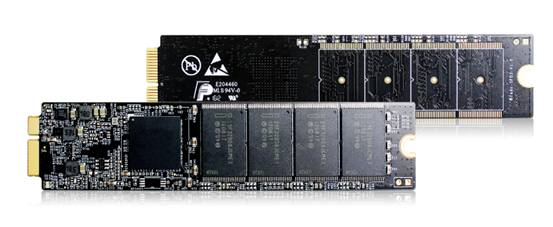
RunCore announced this week that it would offer its own SSD upgrade option: the RunCore Rocket Air SSD.
We are hoping to get a test unit and post a review soon.
RunCore also announced something else interesting this week: a SATA SSD so small that it could almost fit within the free space inside a MacBook Pro enclosure. Are you thinking what I am thinking?
Logitech announced a smaller version of the keyboard today called “the K760”, which not only shrinks the footprint considerably by dropping the numeric keypad, but it also addresses the No. 1 issue our commenters had by adding Bluetooth. Adding some awesome to that, Logitech took our iPad/Mac/iPhone switching needs into consideration and created a button that allows the keyboard to switch up to three Bluetooth profiles manually, instead of having to re-pair each time we switch.
The K760 hits stores next month for a suggested retail price of $80. We will hopefully have a review up shortly.
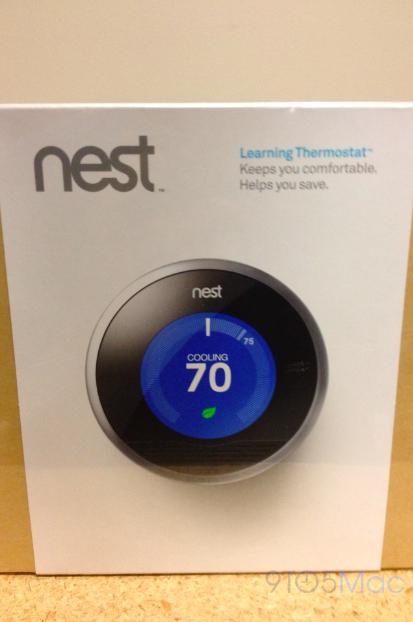
After a several-hour international outage last night, the Apple Store came up briefly this morning and showed the Nest Learning Thermostat for sale at $249.95, which is a $.95 premium over its suggested retail price.
Fadell is known as the “Father of the iPod” for his role at Apple, where he brought the idea of a portable music player to Jobs’ attention. He then led the iPod division until his retirement a few years ago.
After leaving Apple, Fadell founded Nest, which builds a learning thermostat with an iconic interface that many compare to the original iPod due to its circular dial.
While the connection to Apple is there, there is no direct technology connection to Apple products, making it a bit of an oddball inventory choice. Sure, you can control the Nest from your iOS device or Mac, but you can also control it from any smartphone or PC. We are not expecting Apple to carry other thermostats or home heating, ventilation and cooling (HVAC) products in the near future.
USB DisplayLink monitors are a relatively new breed of peripheral for Macs and PCs. The technology creates a virtual display on your Mac/PC, compresses it, and then sends it over USB 2.0 to a monitor that uncompresses it. You would think this could cause a lag, but the transfer is almost un-noticeable by the naked eye. It is basically an extra monitor that connects to your USB port and frees your monitor port for other uses.
A few years ago, the photo frame-sized displays started appearing as small external USB DisplayLink monitors. Then came 16-inch 720p monitors last year that thin clients could use as terminals for about $100.
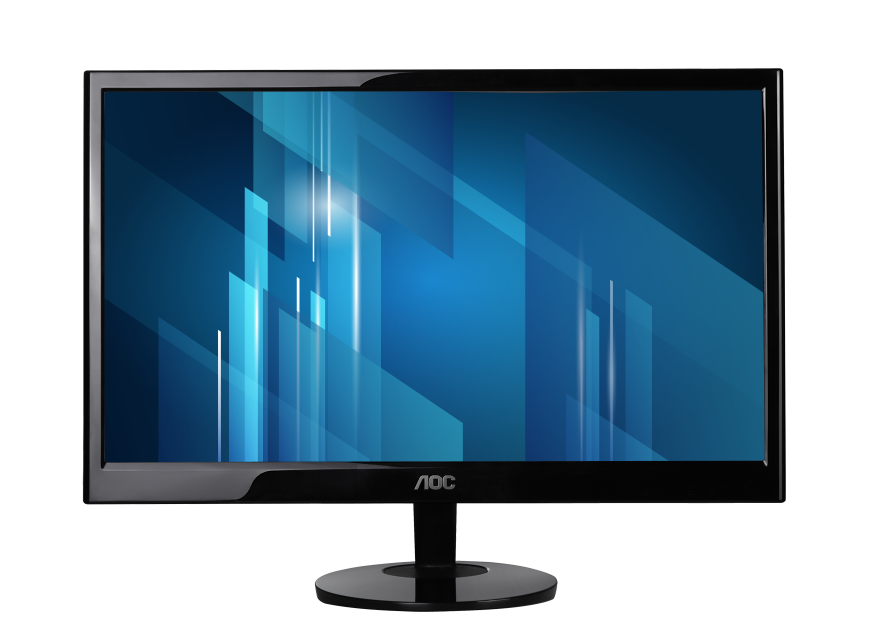
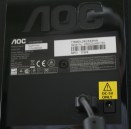
This month, however, a company called AOC released an impressive 22-inch 1080p DisplayLink monitor for both Mac and PC. To put it in perspective, those are the same pixels and inches as the current, smaller iMac. It really is a lot of extra monitor for playing. The AOC retails for $200, but it is currently selling for around $160.
What is exciting about this monitor is that it is powered entirely by the USB port. There is no AC adapter on this monitor or VGA/DVI/DisplayPort/etc.—just one, thin USB 2.0 cable running from the computer to the back of the monitor. USB solely powers the 22-inch 1080p display. I have been using the AOC on a 2010 MacBook Air and was surprised that it was fully functional, even when the MacBook Air was not plugged into the AC adapter.
I set up my 2010 Air with a monster 30-inch 2,560-by-1,600 DisplayPort monitor and plugged in the AOC DisplayLink 1080p display for an absurd amount of pixels coming out of the Air. How did it fare?
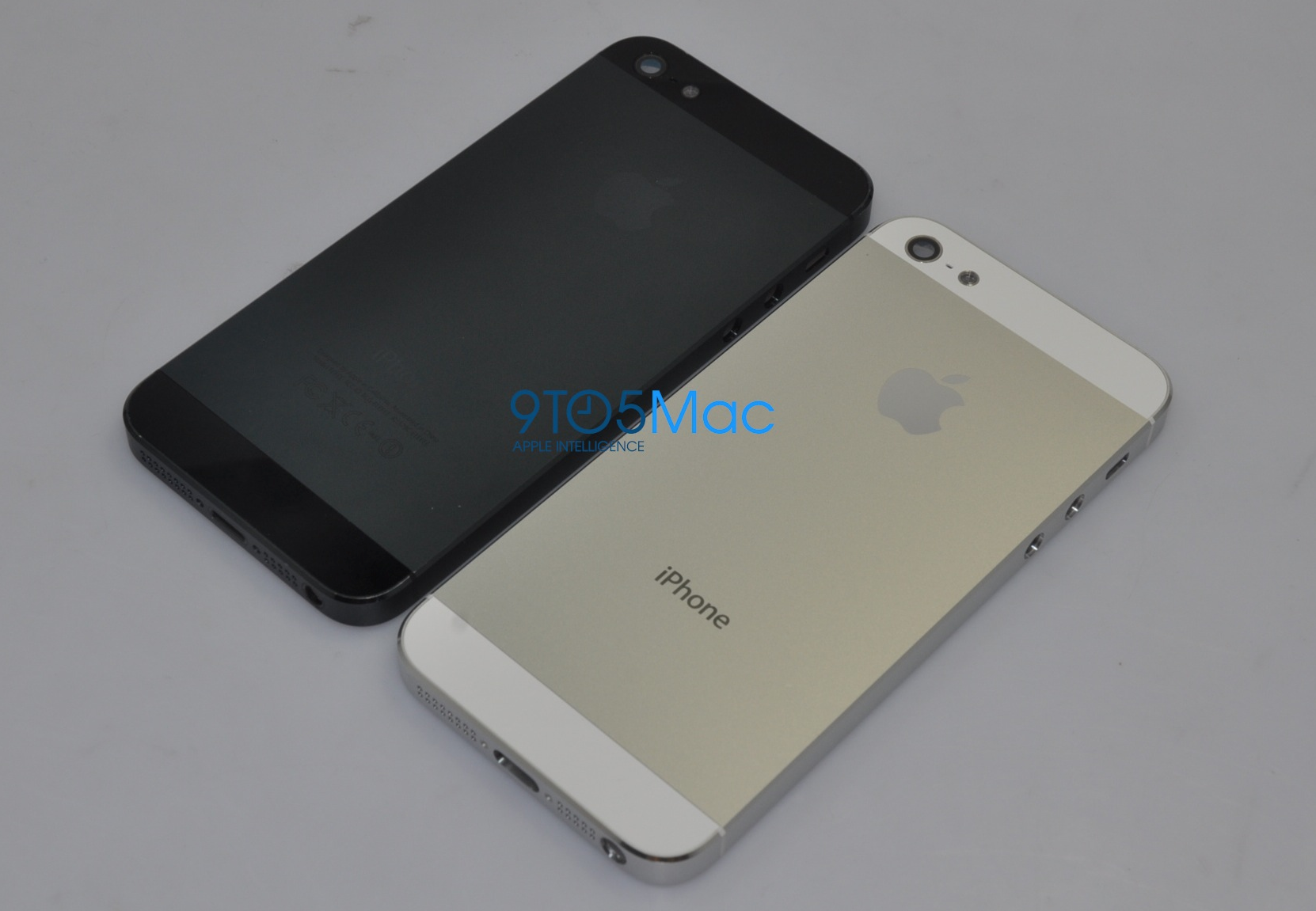
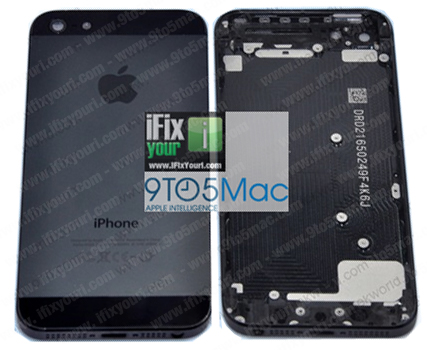
The iPhone repair experts at iFixyouri have forwarded a nifty new part that entered their catalog. It could be the back plate for the upcoming new iPhone or one of the early prototypes. We are told the Chinese parts supplier is a reliable one (not a fly-by-night) and that they are actually selling these parts (do not worry, we have one on order).
From what we can see, the part does follow a lot of the rumors and speculation. For instance, you can see the smaller dock connector at the bottom and it appears thinner overall. We are told the extra space on the bottom is used by Apple to enhance the speakers that will be louder and of a higher quality than the current iPhone. The supplier said the back plate is just one piece anchored by an aluminium alloy (not liquidmetal).
Interestingly, the supplier also told iFixyouri that black and white would not be the only two colors this year. There were at least two other colors seen for the back plate that obviously might not make it into production if these parts are indeed real. Normally, we would scoff at such a notion, but these same parts suppliers were the first to deliver the news that the iPad would come in white.
Last month, I put the full-sized Logitech Boombox up against the Jawbone Jambox in a $150 Bluetooth speaker battle. I liked both devices, but they had separate strengths and weaknesses and were best suited to different tasks. For instance, I liked the portability of the Jambox, its speakerphone capability, and charging via USB. I liked the sound and simplicity of the Logitech Boombox, but I did not like the proprietary AC adapter.
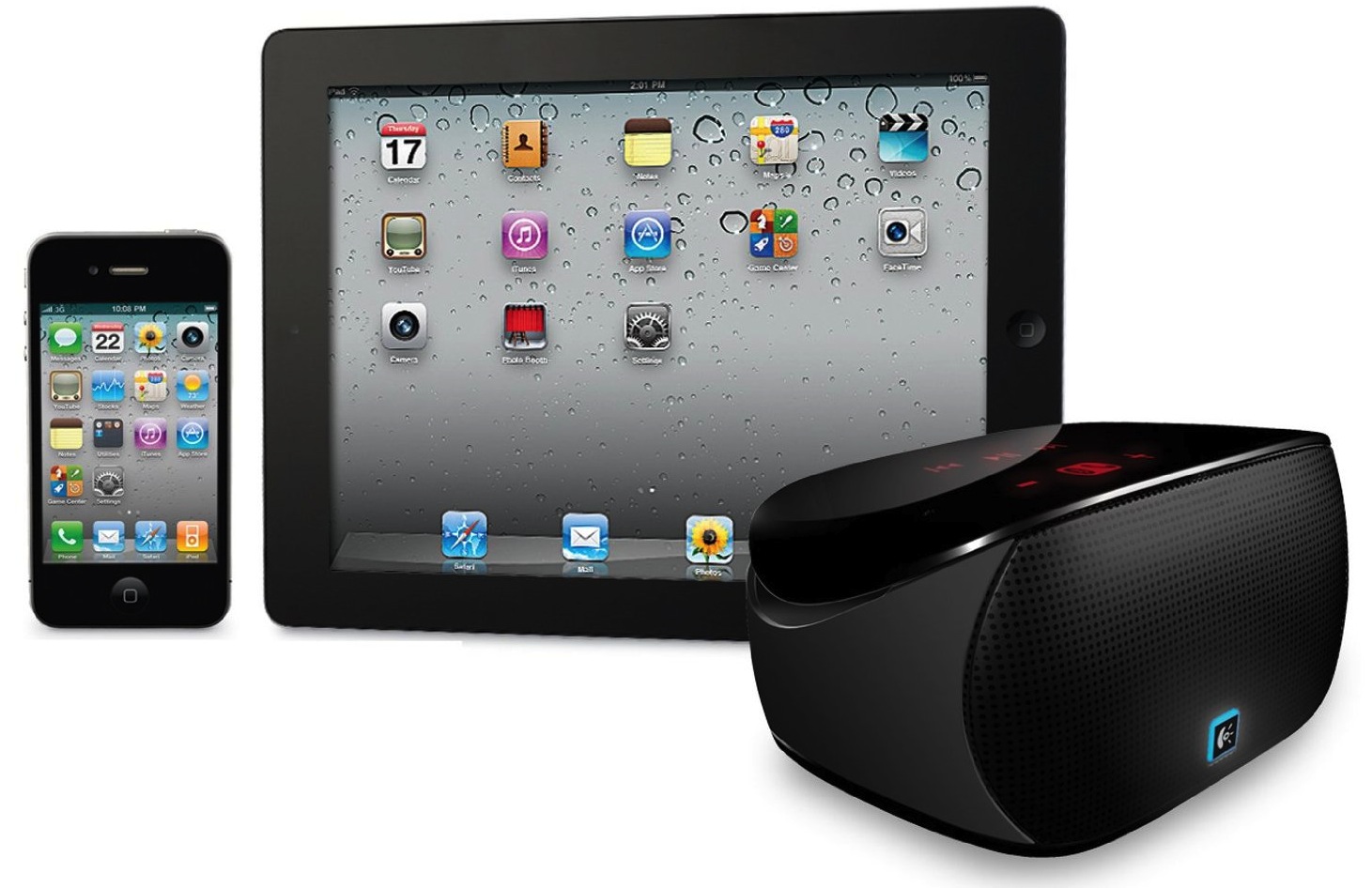
After the review, Logitech got ahold of me and said if I liked the Jambox and the Boombox, they made another product that I would love called the “Mini Boombox.” Unlike Logitech’s full-size Bluetooth speakers, the Mini charges via Mini-USB, can fit in the palm of your hand (or cargo pant pockets), and it acts as a speakerphone for an iPhone. This one retails for $100, but it can be found for $79.99 at both Amazon (with $30 of MP3s) and Best Buy.
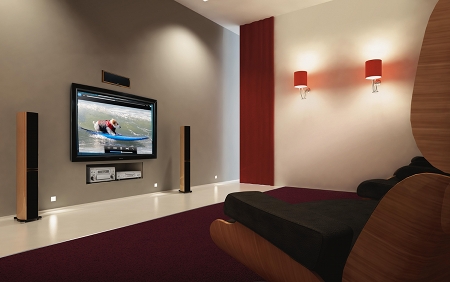
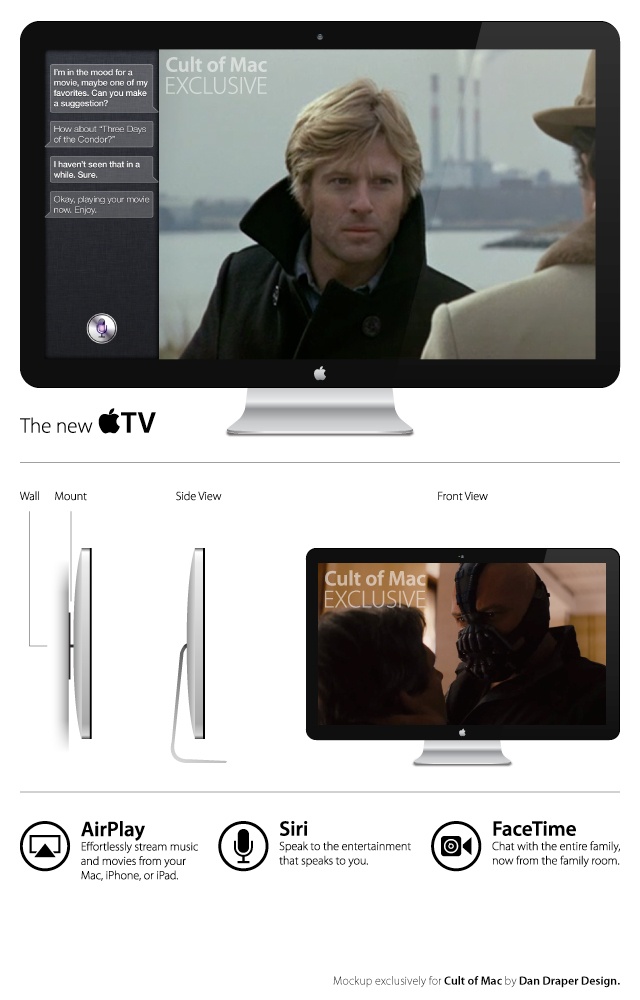
Frankly, no one has really sold me on why Apple should build a TV aside from its portable set-top box called “Apple TV.” With 7-year upgrade cycles and razor-thin margins, it seems as if Apple would be hard-pressed to introduce something noticeably better than a current high-end HDTV coupled with its Apple TV box (sure, Siri and gestures could run through that box too).
Forrester’s James McQuivey, though, has a creative idea:
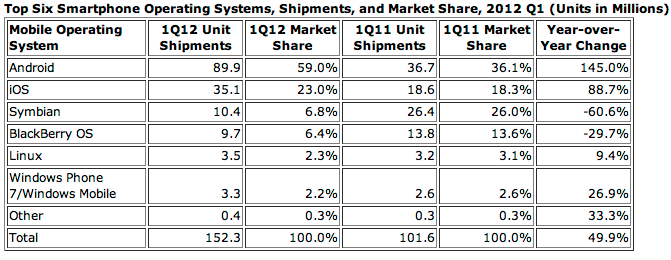
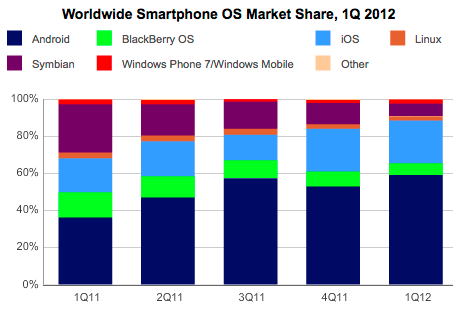
Today’s IDC numbers show that iOS and Android continue to dominate the smartphone market. They now account for 82 percent of all smartphones sold when combined, which is up from just over 54 percent a year ago. Android accounts for 59 percent of Smartphones sold, while iOS more than doubled its raw sales numbers by gaining 23 percent of the market. Meanwhile, Symbian, Blackberry, and Microsoft (although the chart above incorrectly doesn’t note it) all fell.
With iOS and Android continuing to grow, and not much in the way of innovation coming from the competition, it seems the smartphone industry is heading toward the same type of duopoly that the PC industry saw over the past three decades.
From the report:
Android finished the quarter as the overall leader among the mobile operating systems by accounting for more than half of all smartphone shipments. In addition, Android boasted the longest list of smartphone vendor partners. Samsung was the largest contributor to Android’s success, because it accounted for 45.4-percent of all Android-based smartphone shipments. But beyond Samsung was a mix of companies retrenching themselves or slowly growing their volumes.
iOS recorded strong year-over-year growth with sustained demand for the iPhone 4S after the holiday quarter and the addition of numerous mobile operators now offering the iPhone for the first time. Although end-user demand remains high, the iPhone’s popularity brings more operational pressures for mobile operators through subsidy and data revenue sharing policies.
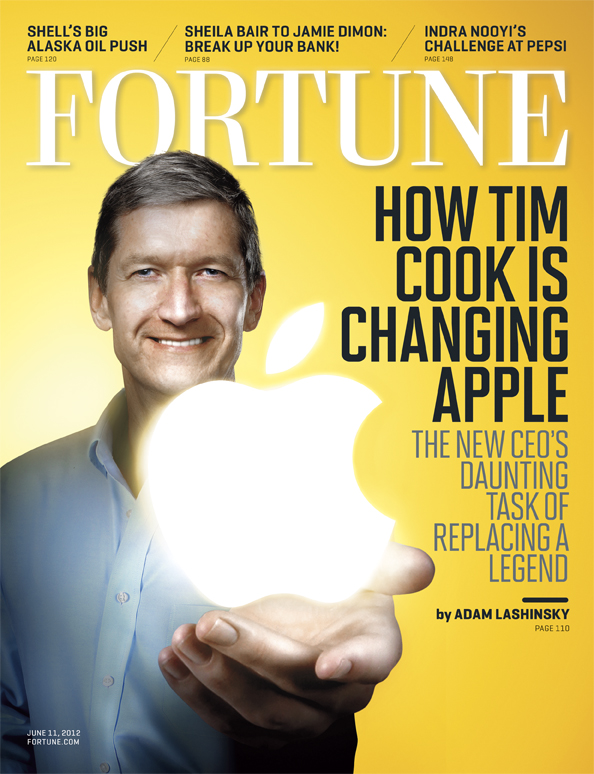
This week’s Fortune Magazine cover story penned by Apple watcher Adam Lashinsky is called “How Tim Cook is Changing Apple”, and it goes pretty deep into some of the high-level changes at the top of Apple since its late CEO Steve Jobs stepped down. Through a few anecdotes and observations, he noted how Cook inevitably changed Apple’s culture, which perhaps drives the company to a more normal structure and M.O.
One paragraph will surely scare some:
Elsewhere there are signs of Apple becoming a more normal company. When Adrian Perica, a former Goldman Sachs banker, joined Apple several years ago, he was the only executive whose sole remit was dealmaking. Steve Jobs basically ran M&A for Apple. Today Perica heads a department with three corporate-development professionals under him and a staff supporting them, so that Apple can work on three deals simultaneously. Indeed, the vibe, in the words of a former employee, is of an Apple that is becoming “far more traditional,” meaning more MBAs, more process, and more structure. (In point of fact, 2,153 Apple employees reference the term “MBA” in their LinkedIn profiles out of a nonretail workforce of nearly 28,000. More than half the employees who reference “MBA” have been at Apple less than two years.)
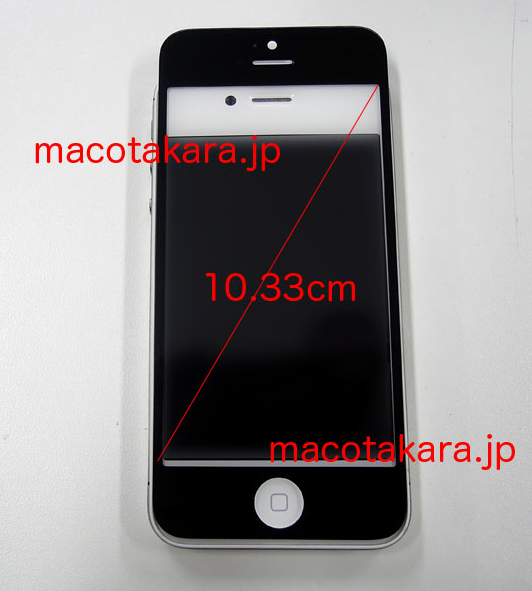
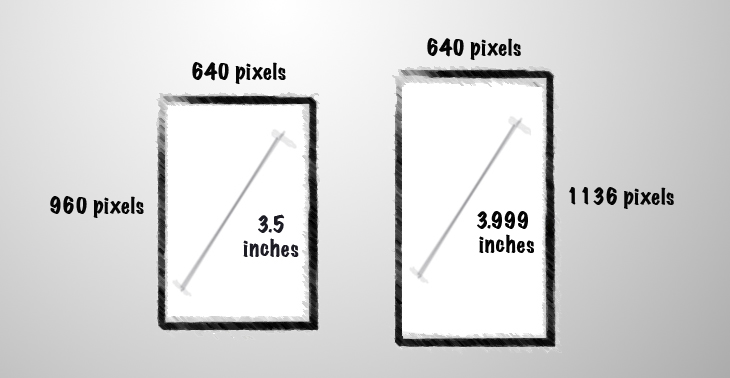
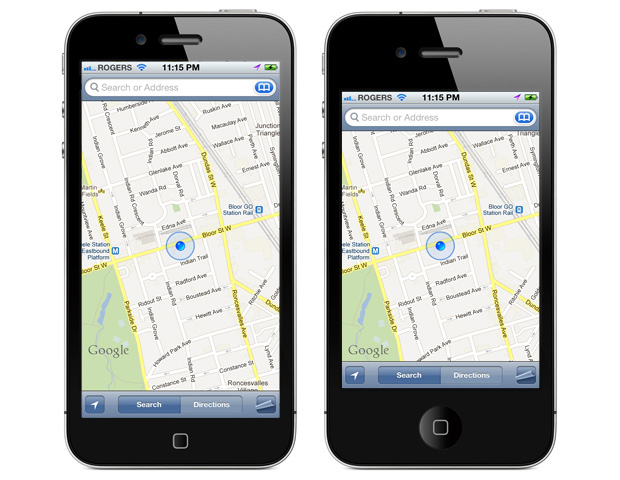
We did some math last night on the iPhone screen based on the 326ppi that Apple currently uses for Retina handheld devices. We did some rounding and got just over 3.95 inches diagonal. Rounding on numbers this important is a bad idea, so today we decided to let the calculator keep all of those decimals.
Apple is testing multiple next-generation iPhones, and we have independently heard that at least one of these devices sports a brand new display.
Apple’s iPhone display went mostly unchanged from the first iteration of the iPhone to the third, but for the iPhone 4, Apple took the iPhone display to new heights with the incredible 640 x 960 Retina Display. The display has always been 3.5 inches measured diagonally and a 3:2 aspect ratio. As we hinted yesterday, all of that is about to change…
Apple is currently involved in an outreach program to new neighbors in its planned “Campus 2” area. A brochure was mailed this week to residents surrounding the new campus that provided information and invited feedback in a variety of ways. Although the project seems to be a big win for the city of Cupertino, some residents voiced concern about the added traffic and other changes to the area.
We obtained a letter from one of Apple’s new neighbors—here are the takeaways:
Campus 2, as it is currently called, will not replace the 1 Infinite Loop campus. Instead, it will provide “research facility” office space for an additional 13,000 employees, which is more than 3,000 than 1 Infinite Loop. There is also 300,000 feet of expansion space for future growth.
Campus 2 will attain LEED certification and will have no manufacturing or heavy industrial activity onsite. Apple has and will continue to take extra steps to reduce auto use by employees. Moreover, the roof of the main building is a huge solar array.
Campus 2 will not open to the public, so there is no museum or corporate store. :(
The “world class” auditorium located at the very southern tip of the new campus will host product launches and corporate events.
The corporate fitness center/recreation center will be located to the north west of the main circular building in a separate structure.
Infinite Loop will remain the official corporate HQ, so top executives will likely stay behind.
Apple intends to break ground as soon as Cupertino approves the changes (scheduled for later this year), with plans to start occupying the space in 2015.
Neighbors can fill out the postage paid response card or go to the Cupertino.org website with comments, questions, or concerns.
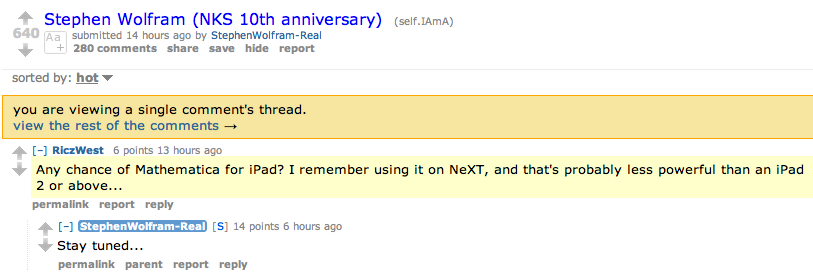
It would appear that Wolfram, the company behind the Siri search engine, is bringing its original product, Mathematica, to the iPad. In response to a comment on Reddit, when asked if there was an iPad version of Wolfram for iPad in the works, Stephen Wolfram said, “stay tuned.”
What Is Mathematica?
Almost any workflow involves computing results, and that’s what Mathematica does—from building a hedge fund trading website or publishing interactive engineering textbooks to developing embedded image recognition algorithms or teaching calculus.
Mathematica is renowned as the world’s ultimate application for computations. But it’s much more—it’s the only development platform fully integrating computation into complete workflows, moving you seamlessly from initial ideas all the way to deployed individual or enterprise solutions.
Mathematica is huge in science/engineering education and application—a few of the many areas where the iPad is making huge inroads in personal computing.
A report by Sina (via the Beijing Times/TNW) claims that Apple offered $16 million as a settlement for the iPad trademark in China, which Apple was duped out of prior to the product’s 2010 launch. Apple bought the Chinese trademark using secret subsidiary IPAD, but the Taiwanese arm of Proview had no right to sell it, because it was a separate entity from the Chinese company that owned rights to “IPAD” in China.
Proview China is now in bankruptcy to the tune of $63 million to Chinese banks and others; so $16 million is a long way from bringing it back from the dead. However, the creditors may choose to take what they can get.
By the way, the new iPad is conspicuously late to China—with some even wondering if it is because of the trademark dispute.
Continuing a longstring of recent exclusives that quote un-named sources, CultofMac today claims that someone who saw the Apple HDTV says it looks like a bigger Cinema Display with an iSight camera and Siri, according to the post.
Digitimes today says Apple is planning a $799 MacBook Air for Q3 based on “sources from the upstream supply chain.”
Clearly, no one in Apple’s Asian supply chain knows Cupertino’s pricing strategies. Digitimes is— at best—working off Apple, perhaps building a spec-reduced model. From the context, it seems that it is making the assumption based on falling prices of surrounding Ultrabooks, which we know is a mistake.
Nevertheless, let’s give them the benefit of the doubt:
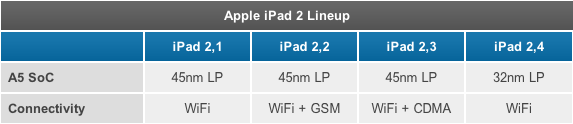
“The new iPad 2,” you might ask? Yes. When Apple released the new iPad with A5X processor and Retina display, it also released the “iPad 2,4.” It is mostly the same as the iPad 2, which Apple has sold for over a year. However, Apple traded a 45nm A5 processor for a new 32nm A5 in the iPad 2,4. It is the most efficient processor Apple makes, and it is likely to be the same 32nm die size as the upcoming iPhone’s processor. (The 1080P Apple TV also employs a 32nm A5 processor, but it is limited to single core.)
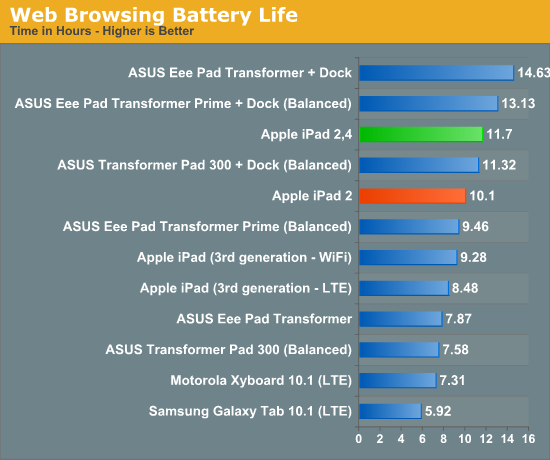
Anand got the iPad 2,4 from a Best Buy and noted most Apple Stores still sold the older 45nm version. For battery life, the new iPad 2,4 saw anywhere from 1.6 hours of additional time in Web browsing to almost three extra hours in some graphics and 3D video intensive tests. Those are significant gains.
.
As you can see below, the processor is much smaller in the new iPad 2,4. It will be interesting to see if Apple updates its iPad 2 specs in the coming weeks and months to reflect the new battery life reality on its iPad 2s. Expand Expanding Close