Abner Li has worked at 9to5Google since 2015 and in late 2020 took on the role of editor-in-chief. He is keenly focused on tracking what happens at Google and is often the first to spot new features in Google’s ever-growing family of applications that are updated on a daily basis, including Search, Assistant, Maps, Workspace, Android, and Chrome/OS.
To him, what Google does greatly impacts the technology space and modern life. Inside the company, he is particularly interested in the key products mentioned above, as well as up-and-coming services like Google Podcasts and Google Lens. Each are massive platforms that can be unwieldy to grasp, with Abner keenly bent on understanding their philosophy and future direction. He is most excited about Google’s plans for augmented reality glasses.
Abner spearheads the APK Insight program at 9to5Google to chronicle all changes in the company’s Android apps, often finding new features before they are officially announced. This includes redesigns and revamps, launches, and new products.
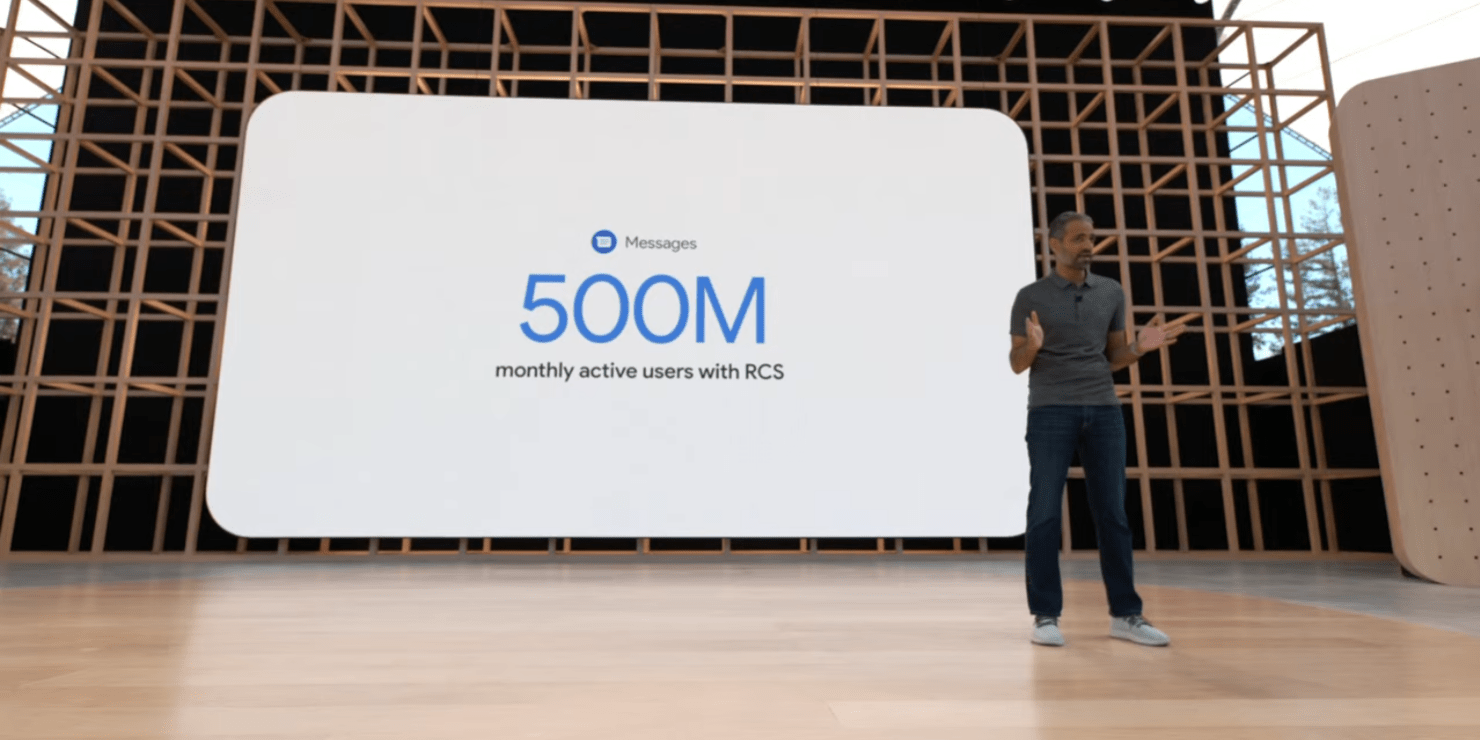
In recent months, Google has been publicly pressuring Apple to adopt RCS on the iPhone, and its latest volley involves an “unofficial lyric explainer video” for “Texts Go Green” from Drake’s new album.
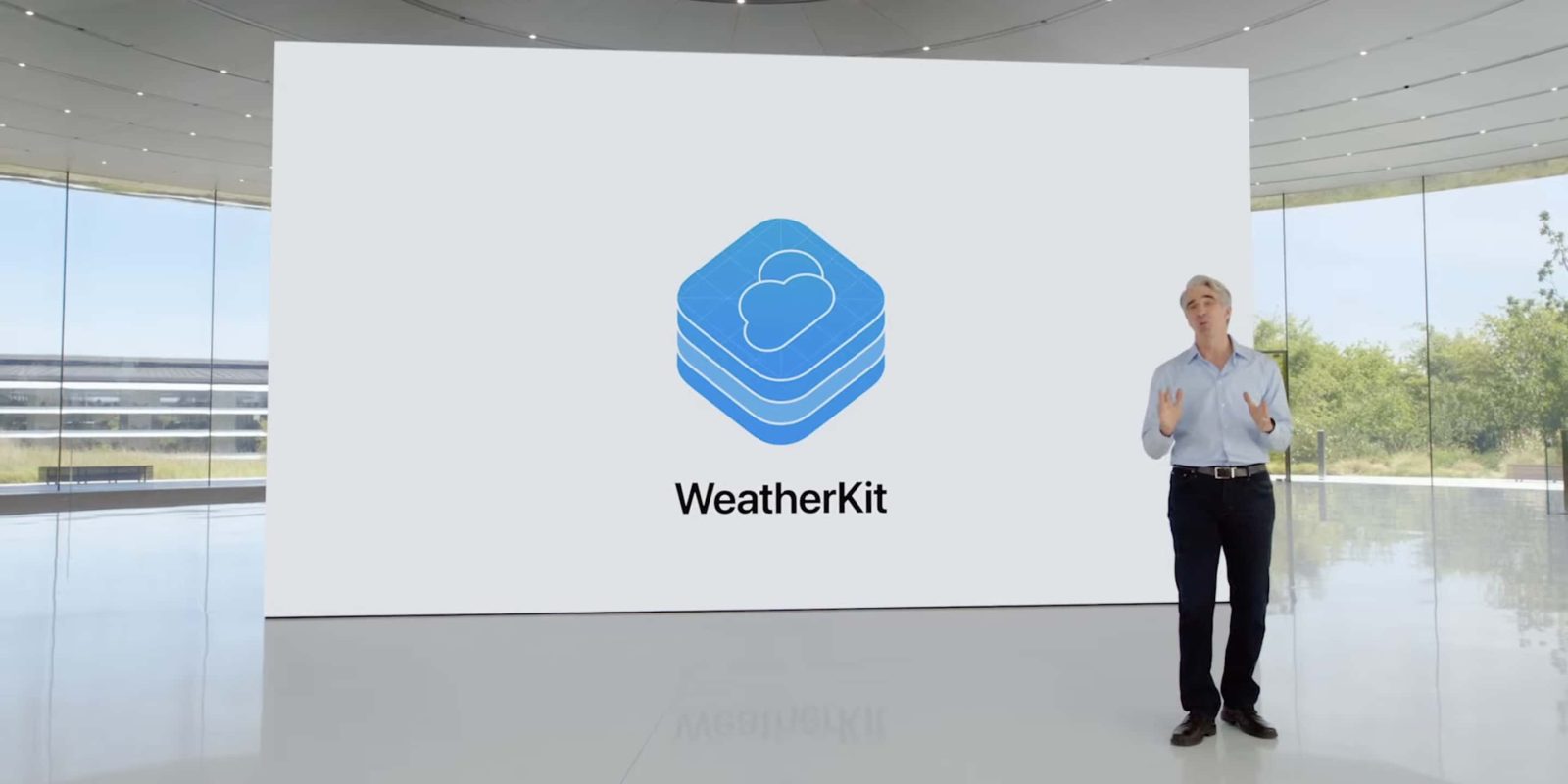
At WWDC 2022 today, Apple finally announced a Weather app for the iPad but, more importantly, a detailed WeatherKit to replace the Dark Sky API that was deprecated for Android in 2020. This new weather service will allow developers to create Android apps that use the same Dark Sky back end as before.
To mark the 15th anniversary of Street View, Google Maps is rolling out a slew of features including the ability to view historical data on Android and iOS, as well as a new camera system.
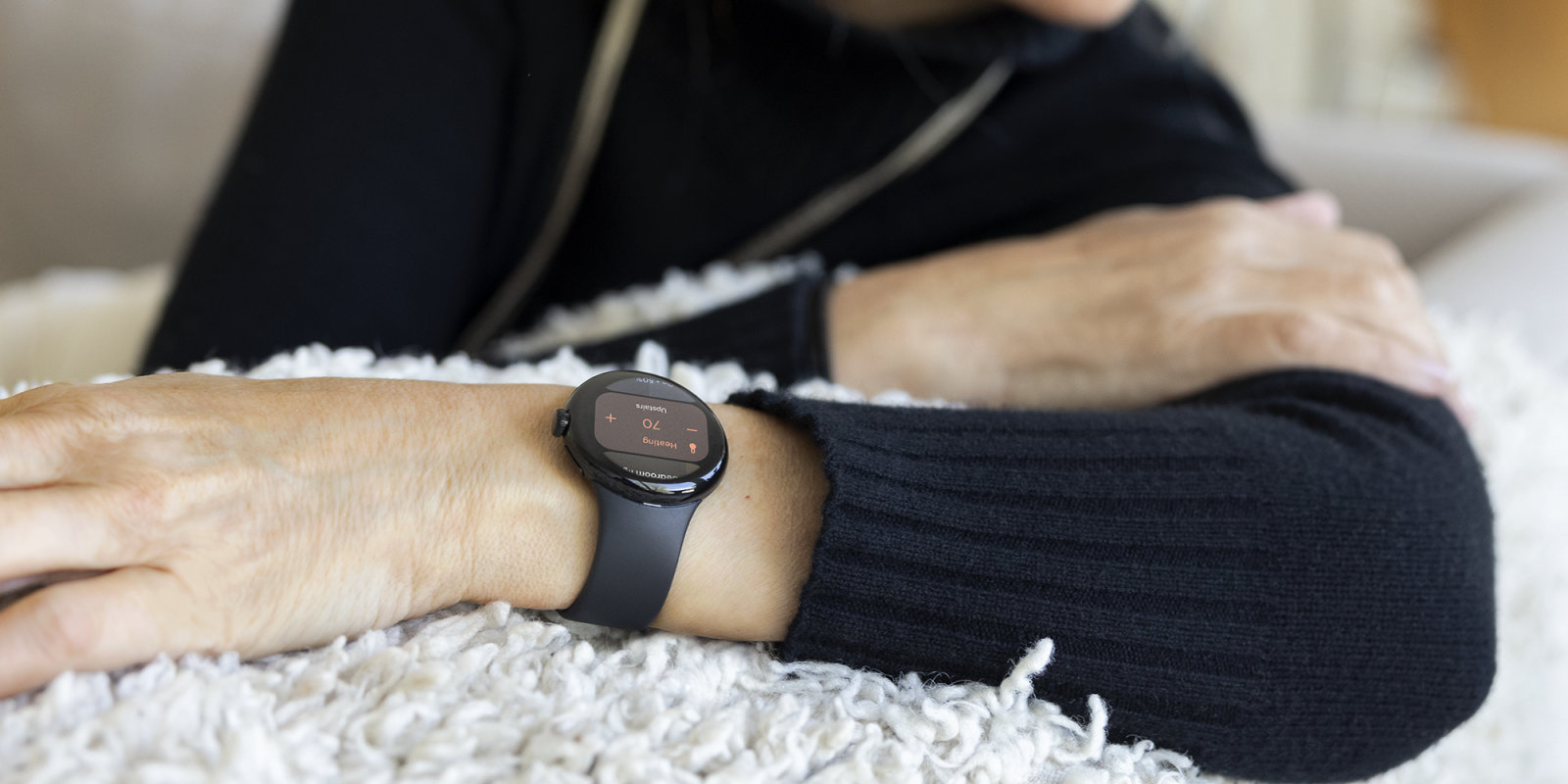
Ahead of availability this fall, Google is turning to Taiwan’s Compal Electronics to manufacture the Pixel Watch, while we also learned today that it will have a USB-C charger.
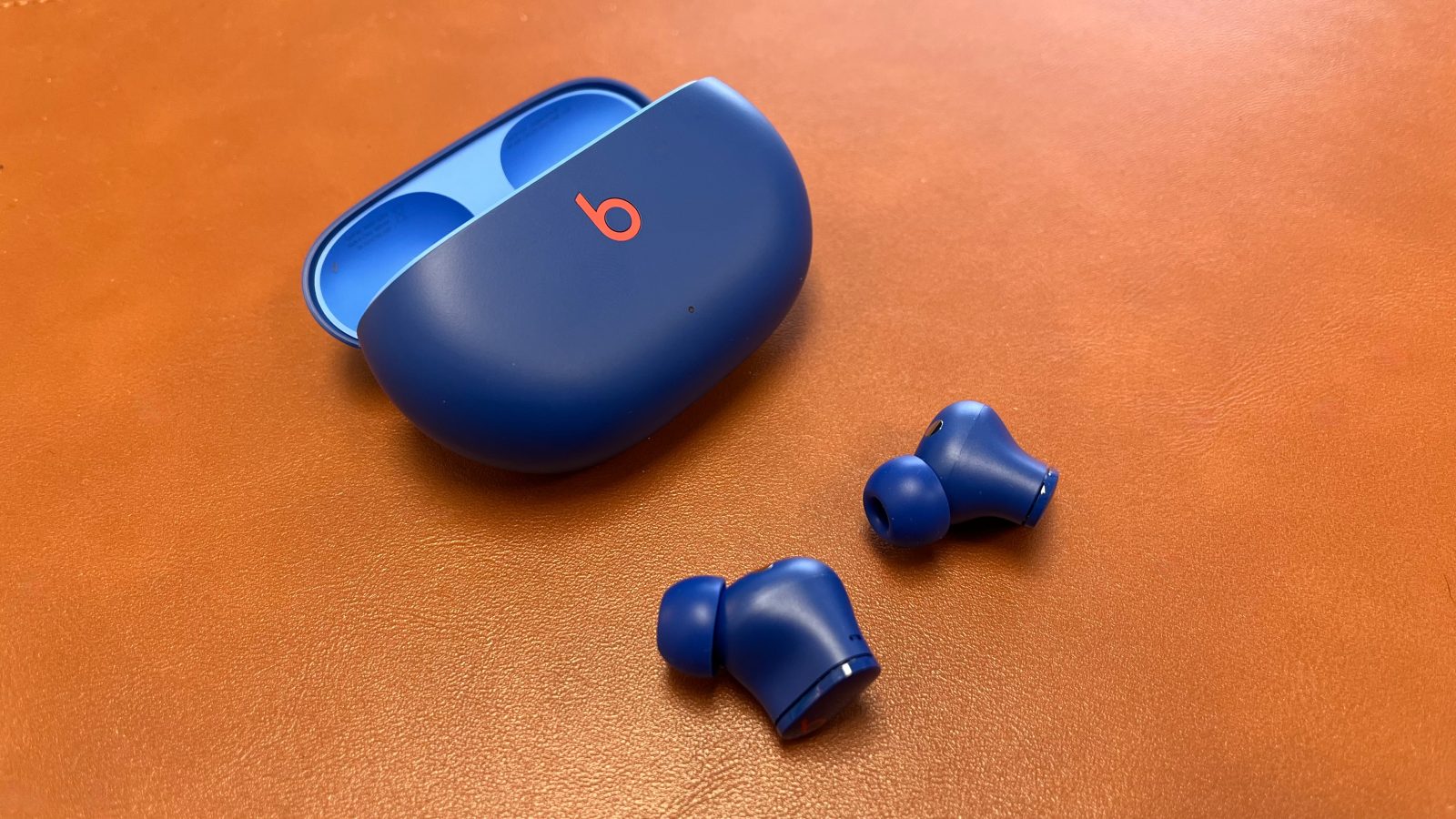
Following Apple Music’s redesign of its widgets, Beats for Android is adding some to let you quickly manage headphones from the homescreen, while the companion app is also getting a “Locate My Beats” capability.
As previewed last month, Google Chat on iOS will let you set which contacts can reach you in Focus mode. This applies to the dedicated Chat app and the integrated experience available in Gmail.
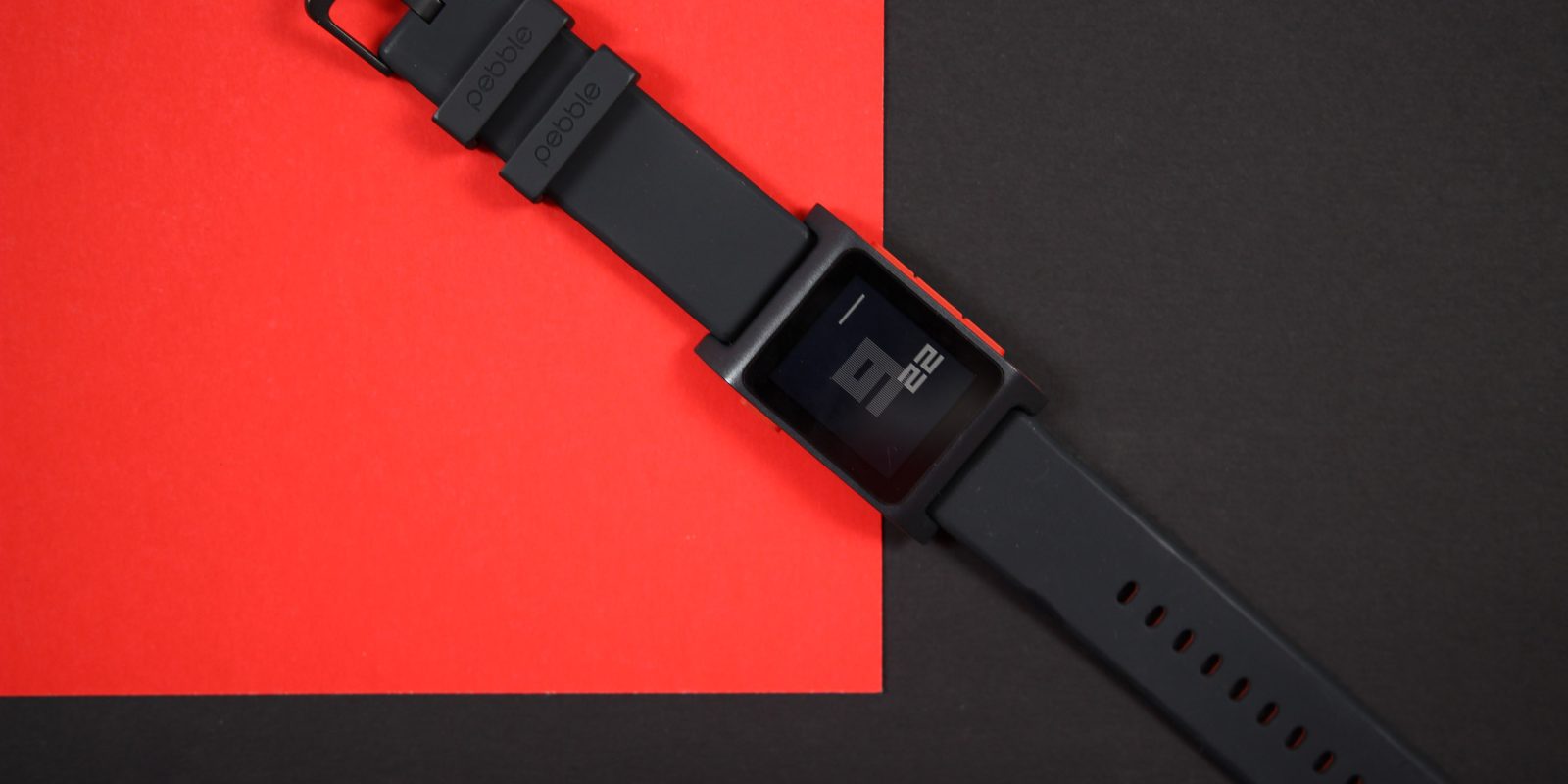
Today (April 11) is the 10th anniversary of Pebble’s Kickstarter debut. To mark the occasion, founder Eric Migicovsky published an explainer on what went wrong over the startup’s 5.5-year history.
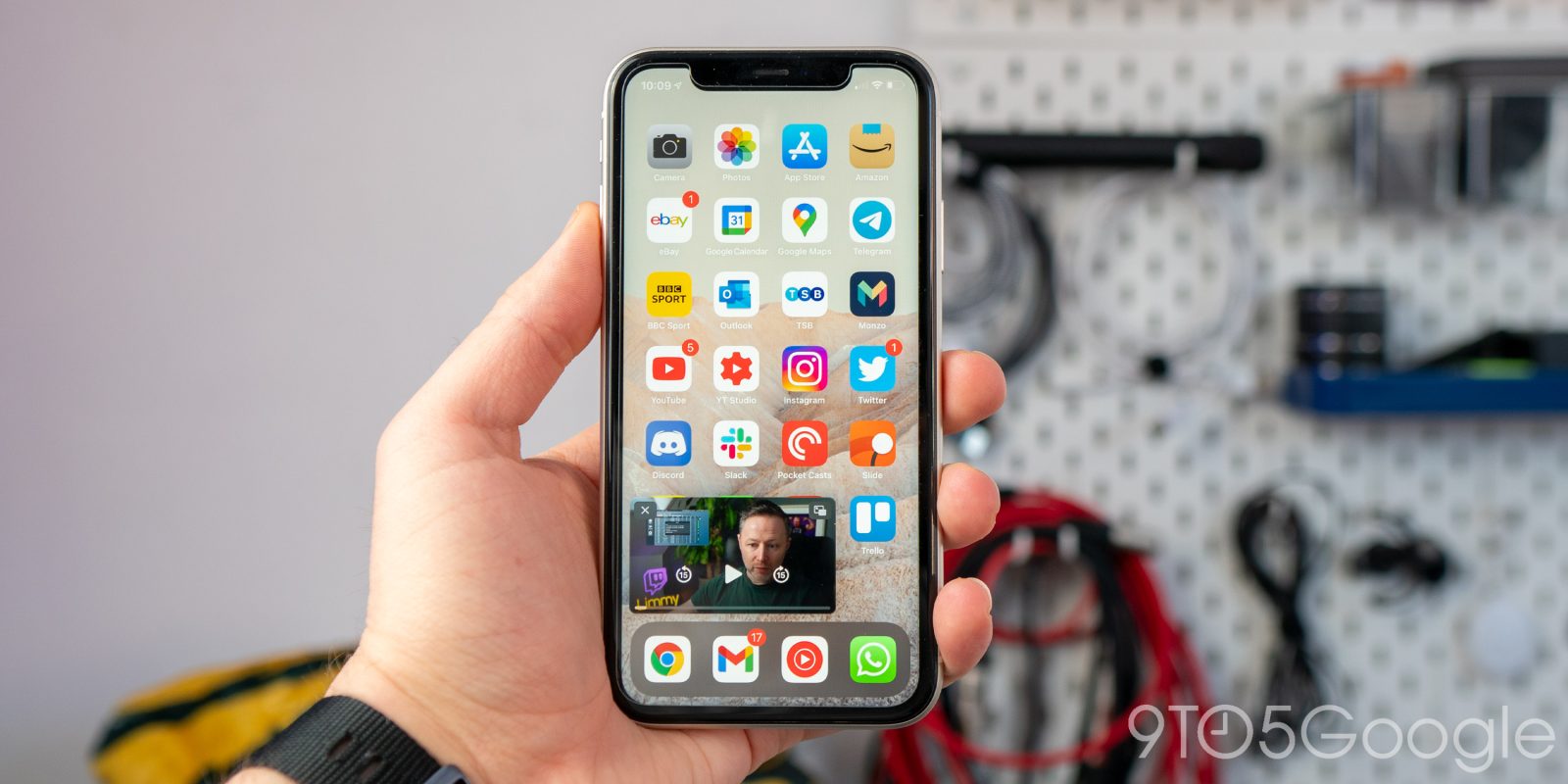
YouTube started officially rolling out Picture-in-Picture to the iOS app last June and it’s been a very slow process. Premium subscribers were given a workaround, but YouTube’s PiP test for iPhone and iPad has now ended.
Google Fi is officially updating all three of its plans with some much-needed changes that make the service more competitive, with the two Unlimited offerings seeing the biggest improvements.
One of the most interesting announcements at Google’s Search-focused keynote in September was a big upgrade to Lens that lets you take a photo and ask questions about it. “Multisearch” in Google Lens is now available to beta test on Android and iOS.
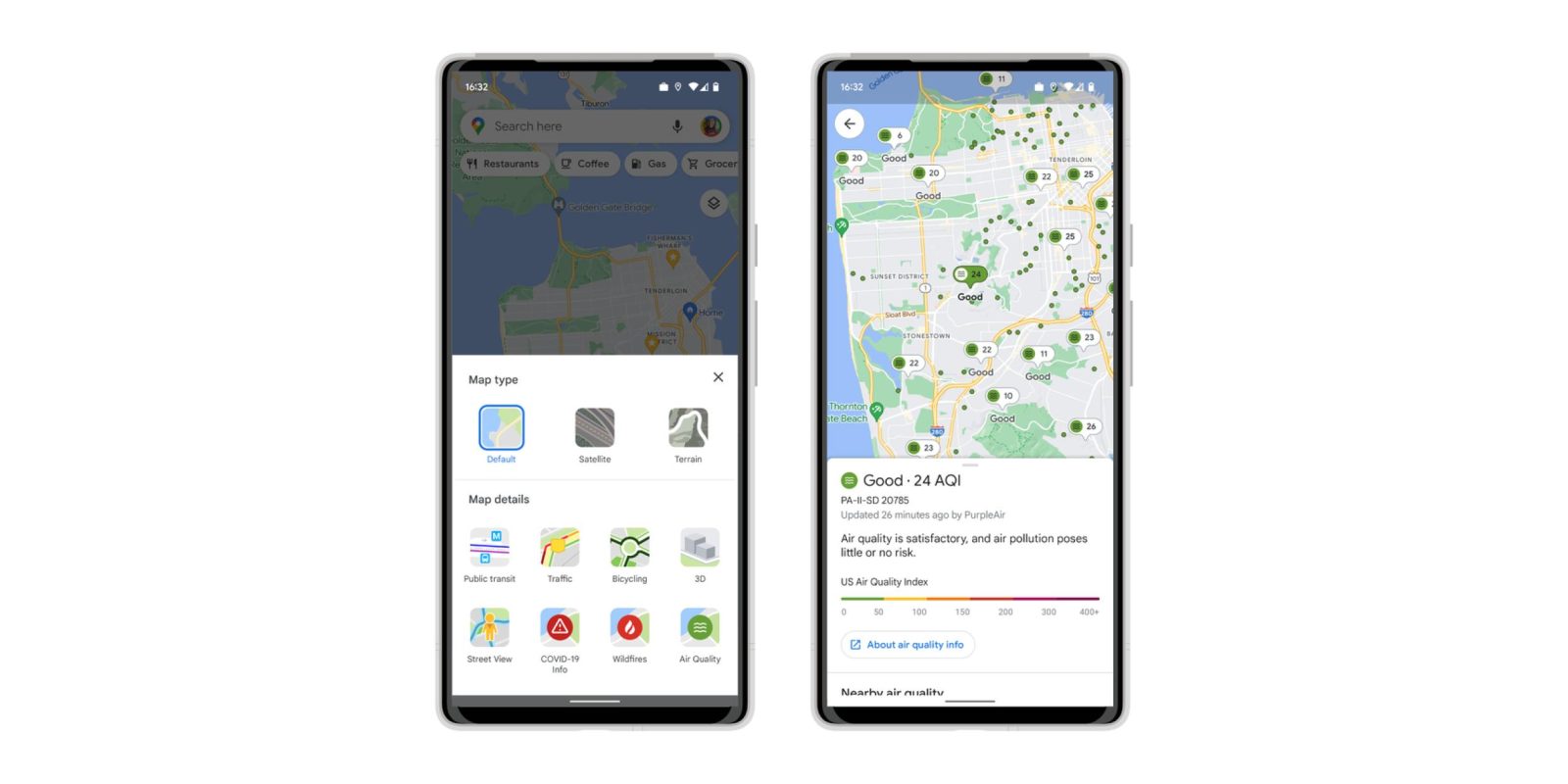
Google Maps is rolling out a trio of big updates over the coming weeks that add toll estimates and improve the navigation experience with a new map, while the iOS app is getting a series of additional integrations.
As promised in February, YouTube TV is rolling out picture-in-picture (PiP) to its iPhone and iPad app. It comes as the main YouTube for iOS client is still only previewing an identical capability.
While Apple in no way invented Bluetooth trackers, AirTags undoubtedly popularized the category this past year. There are ongoing concerns about these readily available devices being used to track people, and tag makers have taken steps to counter that. Google might soon add a Bluetooth tracker detection capability directly into Android.
Google’s cord-cutting service currently only offers 5.1 audio on two device classes. YouTube TV today gave an update on bringing 5.1 surround sound to more users.
Under the auspice of spring cleaning, Google Photos is redesigning its Library and Sharing tabs over the coming weeks. There’s a focus on easier sorting of albums and shared content, as well as the introduction of various shortcuts.
Google has a new series of ads that are aimed at getting iPhone users to switch to its browser by pointing out how they’re likely using desktop Chrome and could get those features on mobile.
Following Gmail at the start of this year, Google Drive is the latest iOS app to get new work-focused widgets, while there are also updates for Translate and Chat on iOS in the coming weeks.
In recent weeks, Google has been testing and slowly rolling out a number of new features for Messages on Android. The company announced today that iMessage reactions, Google Photos integration, and several other capabilities will soon widely launch.
Google is continuing its work to speed up Chrome with version 99 released last week. The company touts a handful of speed improvements, including with the Speedometer benchmark, on both Chrome for Mac and Android.
Back in June, YouTube announced that it was beginning to roll out Picture-in-Picture (PiP) to the iOS app for Premium subscribers. That said, the Google video site has yet to make it widely available, though it just extended the opt-in testing period again.
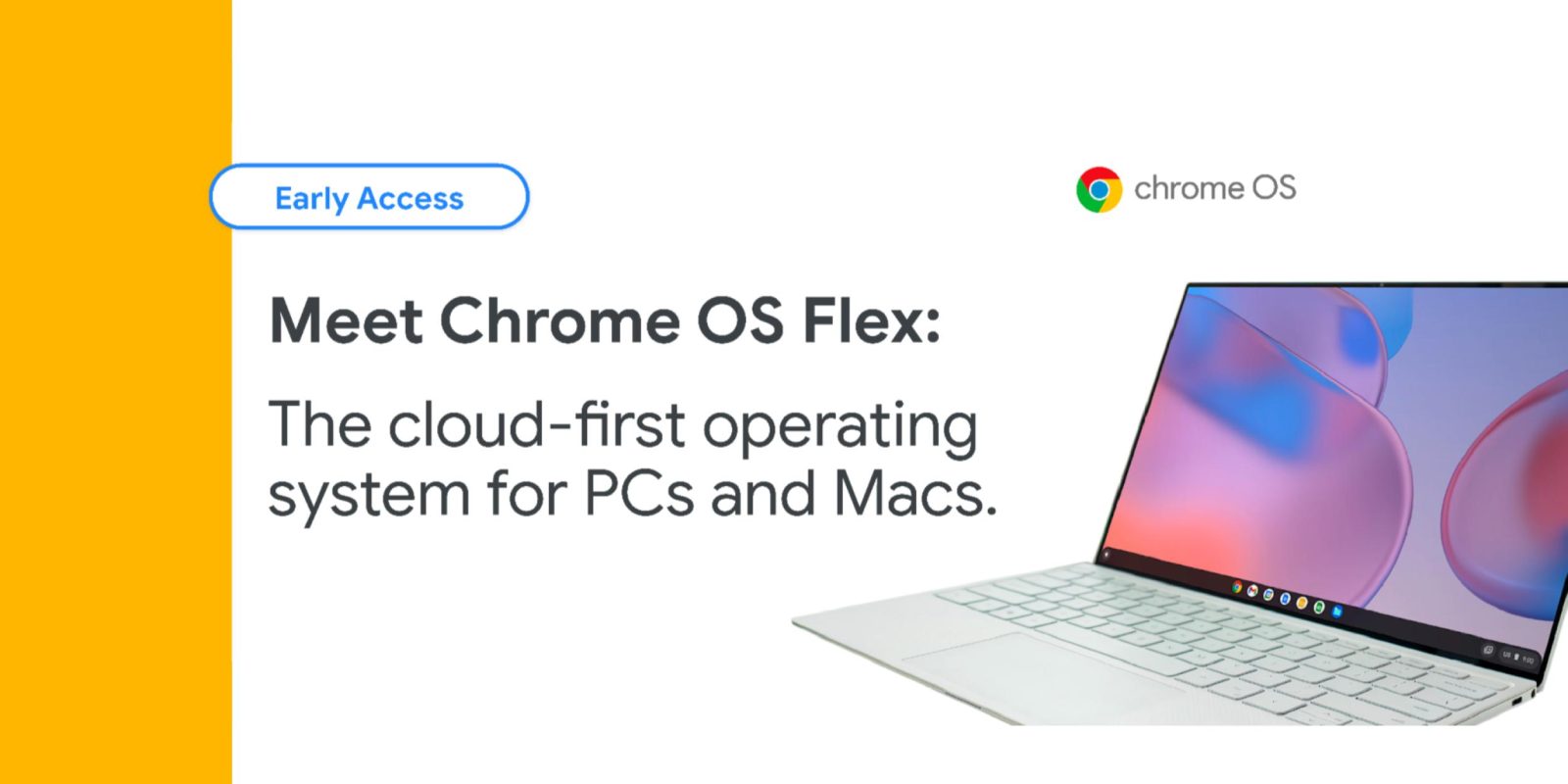
In December of 2020, Google acquired a Chromium-based operating system that turns old PCs into Chromebook-like devices. CloudReady is now becoming “Chrome OS Flex” and is launching in early access today.