AAPL Company

See All Stories

Breaking news from Cupertino. We’ll give you the latest from Apple headquarters and decipher fact from fiction from the rumor mill.
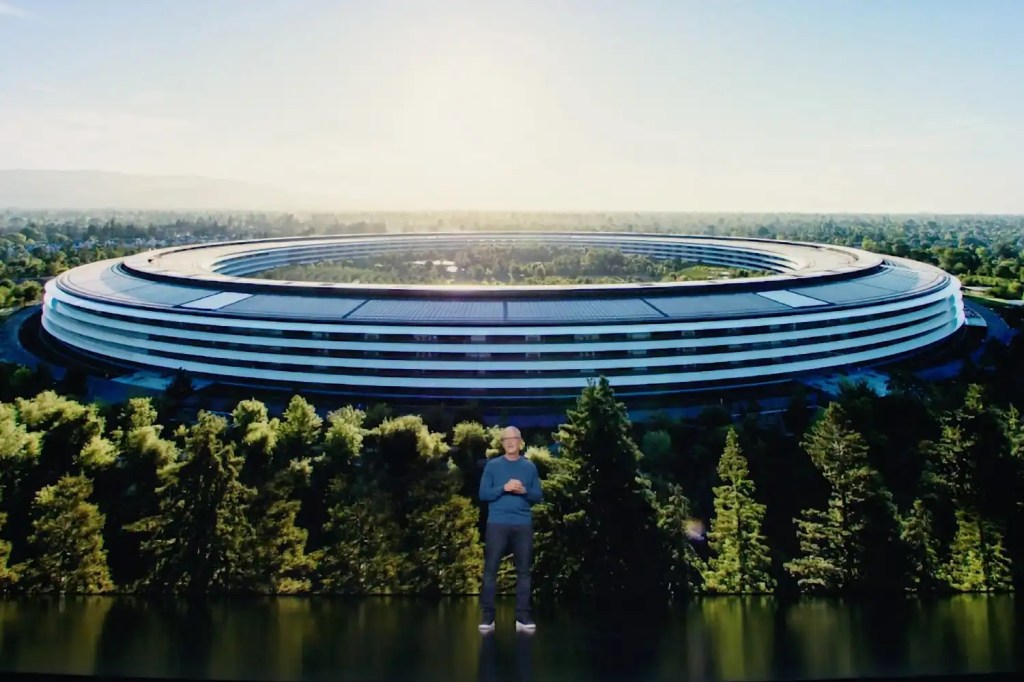
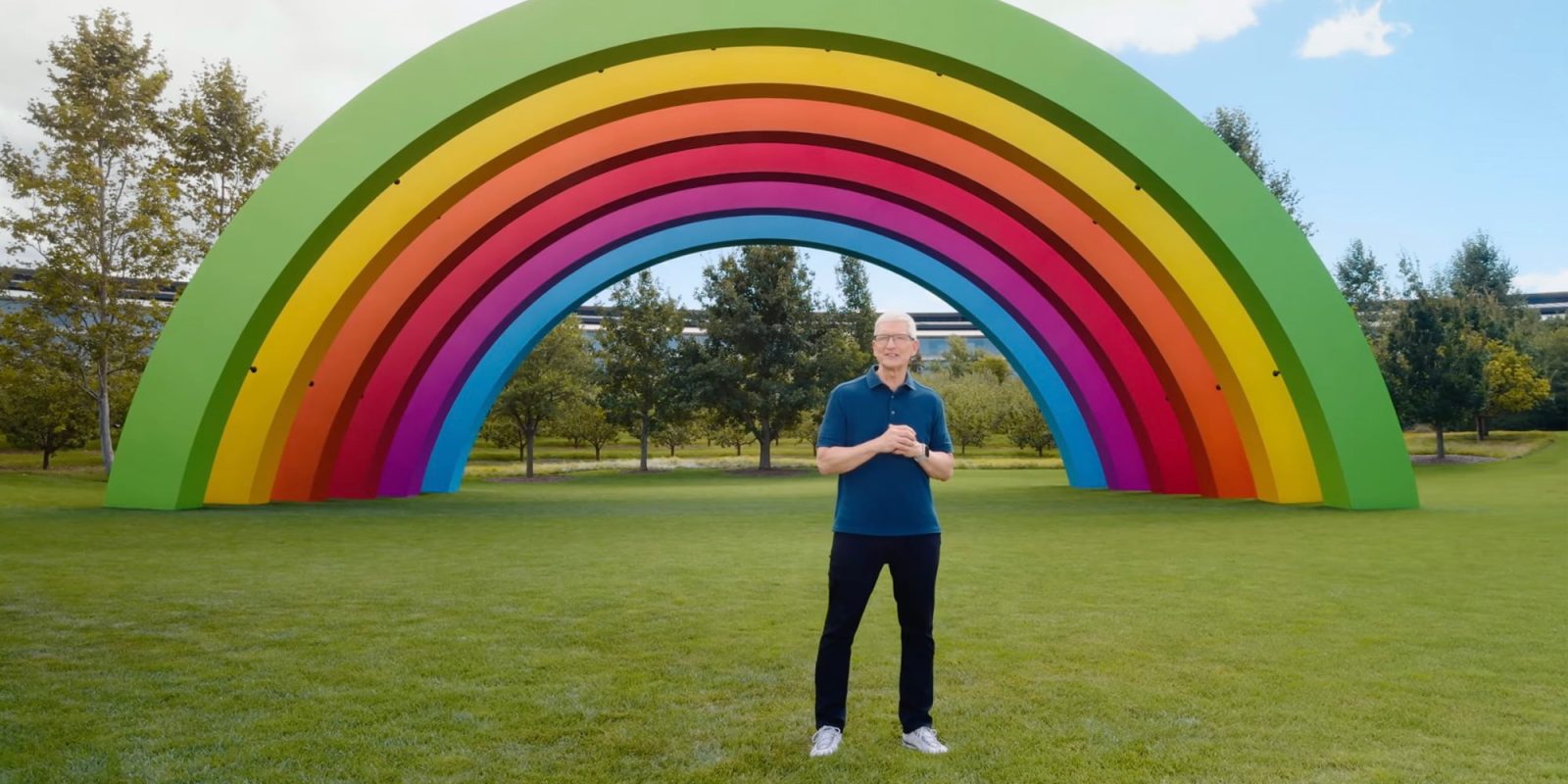
Apple Park Tim Cook AAPL

AAPL is a California-based computer company that became the most successful smartphone company in the world.

AAPL defined by Apple

Here’s how Apple defines itself:

Apple revolutionized personal technology with the introduction of the Macintosh in 1984. Today, Apple leads the world in innovation with iPhone, iPad, Mac, Apple Watch, and Apple TV. Apple’s five software platforms — iOS, iPadOS, macOS, watchOS, and tvOS — provide seamless experiences across all Apple devices and empower people with breakthrough services including the App Store, Apple Music, Apple Pay, and iCloud. Apple’s more than 100,000 employees are dedicated to making the best products on earth, and to leaving the world better than we found it.

Key AAPL history

From Apple I to iMac

Apple was founded in 1976 by Steve Jobs (Steve), Steve Wozniak (Woz), and (briefly) Ronald Wayne as a business partnership: Apple Computer Company. The following year it became Apple Computer, Inc. The company’s first product was the Apple I, a personal computer hand-built by Woz and sold in part-completed kit form. The Apple II and Apple III followed.

The modern Apple as we know it today began in 1983, with the launch of the first personal computer with a graphical user interface, the Lisa. Way too expensive to succeed, it was replaced by the Macintosh in 1984, launched with the single showing of a Ridley Scott commercial during the Super Bowl. The Macintosh transformed the world’s understanding of what a computer was, and would eventually lead to Microsoft adopting the GUI approach.

Steve Jobs and then Apple-CEO John Scully fell out in 1985, when Steve wanted to focus on the Macintosh while Scully wanted to put more attention on the Apple II, which was still selling well. That led to Steve being forced out of the company and going off to form NeXT.

Apple focused on selling Macintosh models at the highest possible margins, but would eventually fall foul of a mix of unsustainable pricing in the face of competition from Windows machines, and an overly complex product lineup. By 1996, the company was in trouble, and in 1997 Steve was brought back, along with the NeXT operating system, which would eventually form the basis of Mac OS X.

Steve simplified the Mac lineup and had industrial designer Jony Ive work on a whole new look for a consumer desktop Mac, the colorful iMac. The iMac, like the original Macintosh, again changed the world’s understanding of what a computer was, and who should want one.

From Apple Computer, Inc. to Apple, Inc.

In 2001, Apple launched the iPod. Although this wasn’t the first mp3 player, it was massively better than anything on the market at the time, and succeeded in turning a geeky piece of technology into a consumer electronics product with mass-market appeal.

The success of the iPod paved the way into other mobile devices. Apple was working on what would eventually become the iPad, when Steve realized that this was the basis of a smartphone. He diverted the team’s work into this, to launch the iPhone in 2007. The iPad launched later, in 2010.

The iPhone was yet another transformational product. While most other smartphones of the time were clunky devices with a keyboard and stylus, the iPhone was a sleek-looking device operated with a finger, and so simple that no user guide was needed. It was with the launch of the iPhone that Apple Computer, Inc. was renamed to Apple, Inc.

From Intel to Apple Silicon

While the iPhone, iPad, Apple Watch, and more are made with Apple-designed processors, the Mac lineup has historically relied on third-party companies for its CPUs. Over the years, Macs progressed from Motorola 680000 series chips through PowerPC to Intel.

In 2020, Apple began a two-year transition to the final stage in that journey, with Macs too finally getting Apple-designed chips. The first such is the M1 chip, used in the latest Mac mini, MacBook Air, and 13-inch MacBook Pro. Other Apple Silicon Macs followed.

AAPL today

Apple is one of the largest companies in the world. It was the first publicly traded company to hit a trillion-dollar valuation in 2018, $2 trillion in 2020, and $3T in 2022.

The company’s product lineup includes five different Mac families (MacBook Air, MacBook Pro, iMac, Mac Pro, and Mac mini); four iPad ranges (iPad mini, iPad, iPad Air, iPad Pro); four iPhone 12 models (12, 12 mini, 12 Pro, 12 Pro Max); three main Apple Watch models (SE, Series 3, Series 6); as well as other products, including Apple TV, AirPods, and HomePod mini.

In addition to hardware sales, Apple derives a growing proportion of its income from Services, including the App Store, iCloud, Apple Music, and Apple Pay.

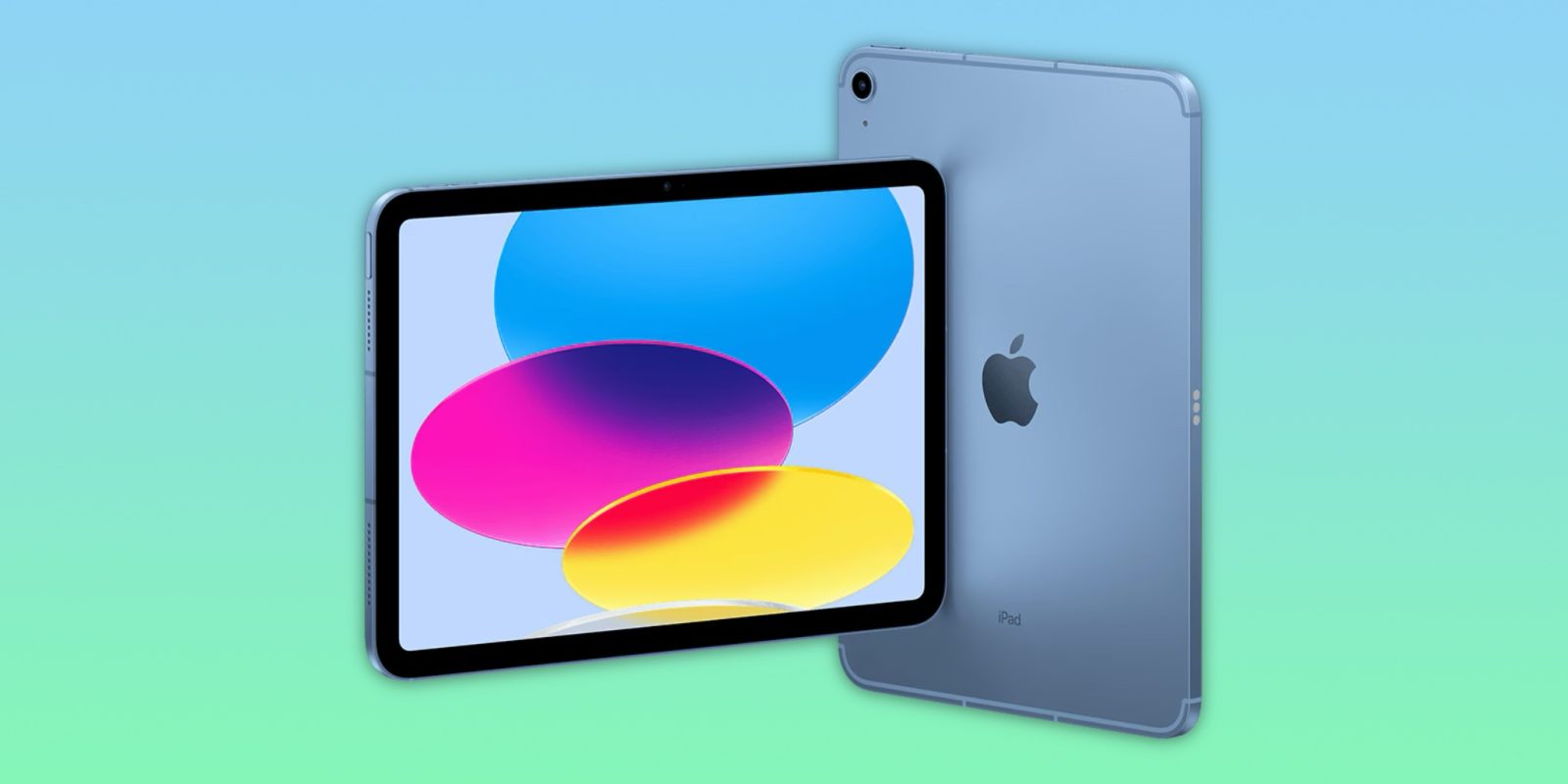
Apple’s new A16 iPad may have a special trick up its sleeve

Last week, Apple hit us with a little bit of a surprise, and introduced the new base-model iPad with an A16 chip. The new iPad wasn’t much of a surprise, but the A16 chip certainly was. Rumors had long suggested that we should expect an A17 Pro chip, but that never came to fruition.

However, the A16 chip might provide a special perk, one that assures the product can stay around at its $349 price tag in the short term.

Expand Expanding Close

Apple prevails in AliveCor patent case over Apple Watch

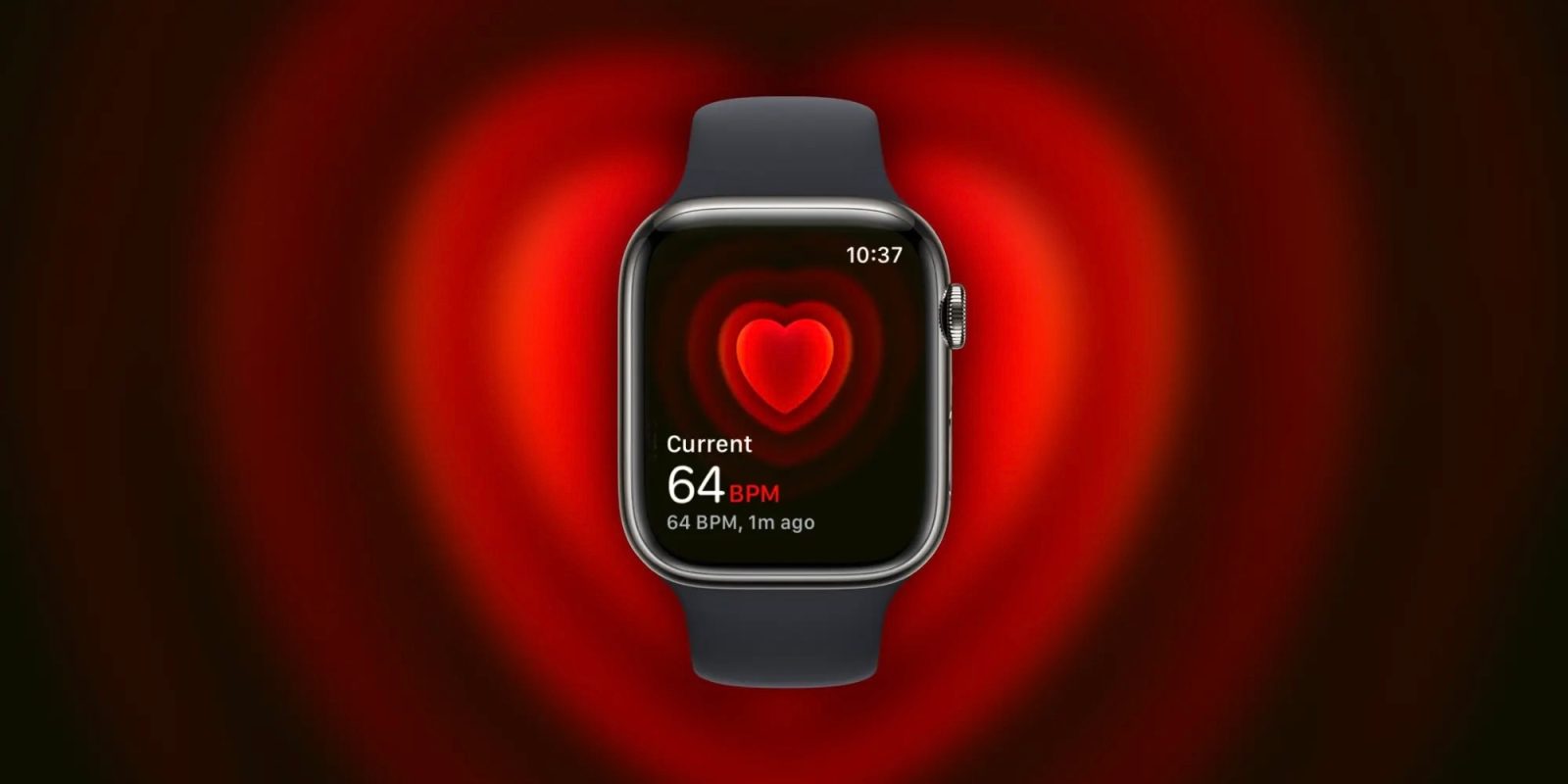
Apple Watch Heart Rate app watchOS 10

Apple and health technology company AliveCor have been embroiled in multiple legal battles for years, including a back-and-forth case with the International Trade Commission.

In a decision today, the US Court of Appeals for the Federal Circuit upheld a previous decision from the US Patent and Trademark Office’s Patent Trial and Appeal Board (PTAB) that found the three AliveCor patents at the center of its ITC case to be unpatentable.

Expand Expanding Close

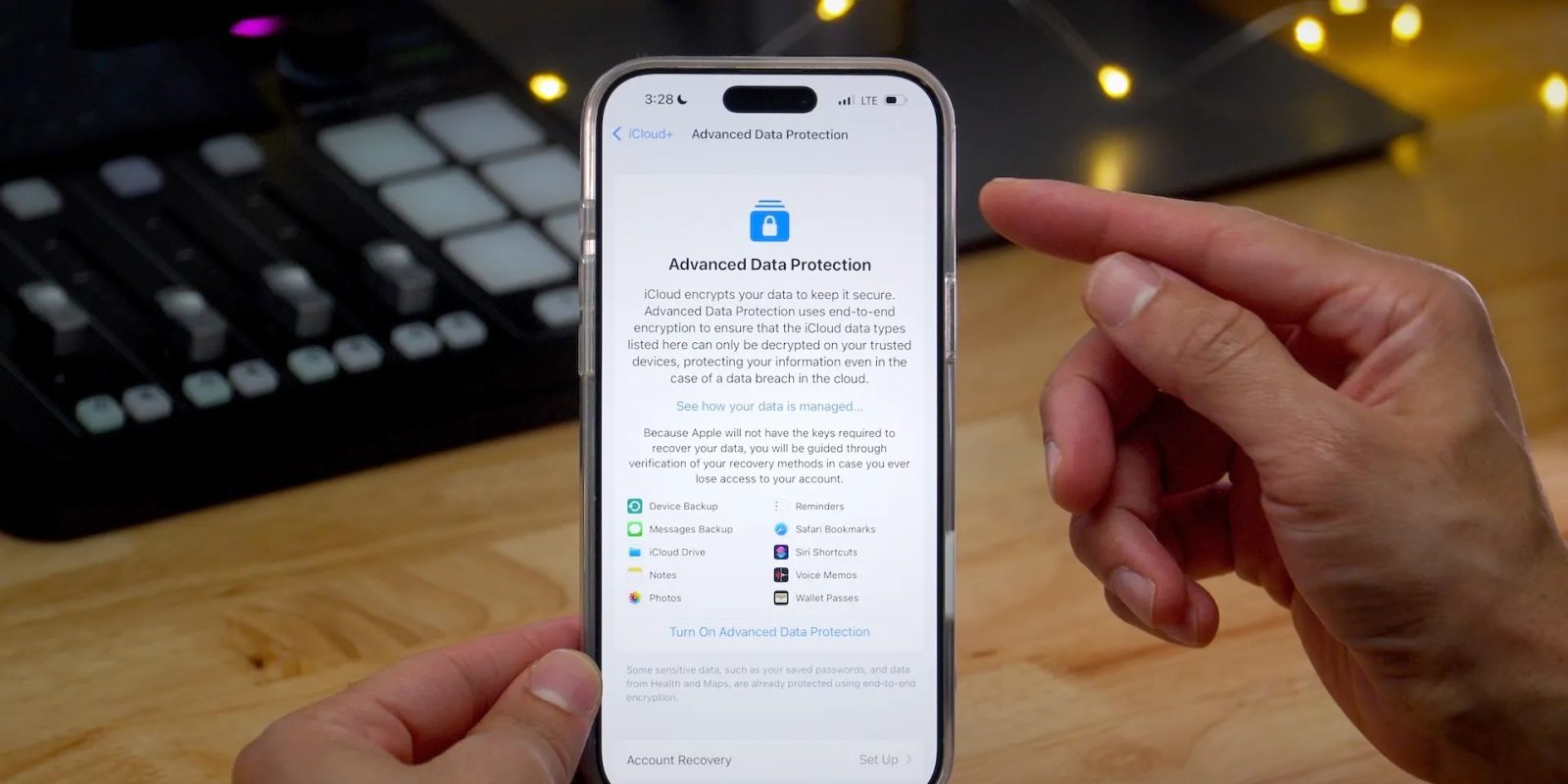
Apple standing up for Advanced Data Protection is way more important than it seems

Apple standing up for Advanced Data Protection is way more important than it seems | Eyes peering out of the darkness

Apple’s Advanced Data Protection (ADP) is a privacy feature very few people have been using. Non-techies had never heard of it, and even some geeks hadn’t enabled it.

So Apple standing up to the UK government’s attack on ADP might not seem a big deal – but I’d argue that it’s way more important than it might seem, for three reasons …

Expand Expanding Close

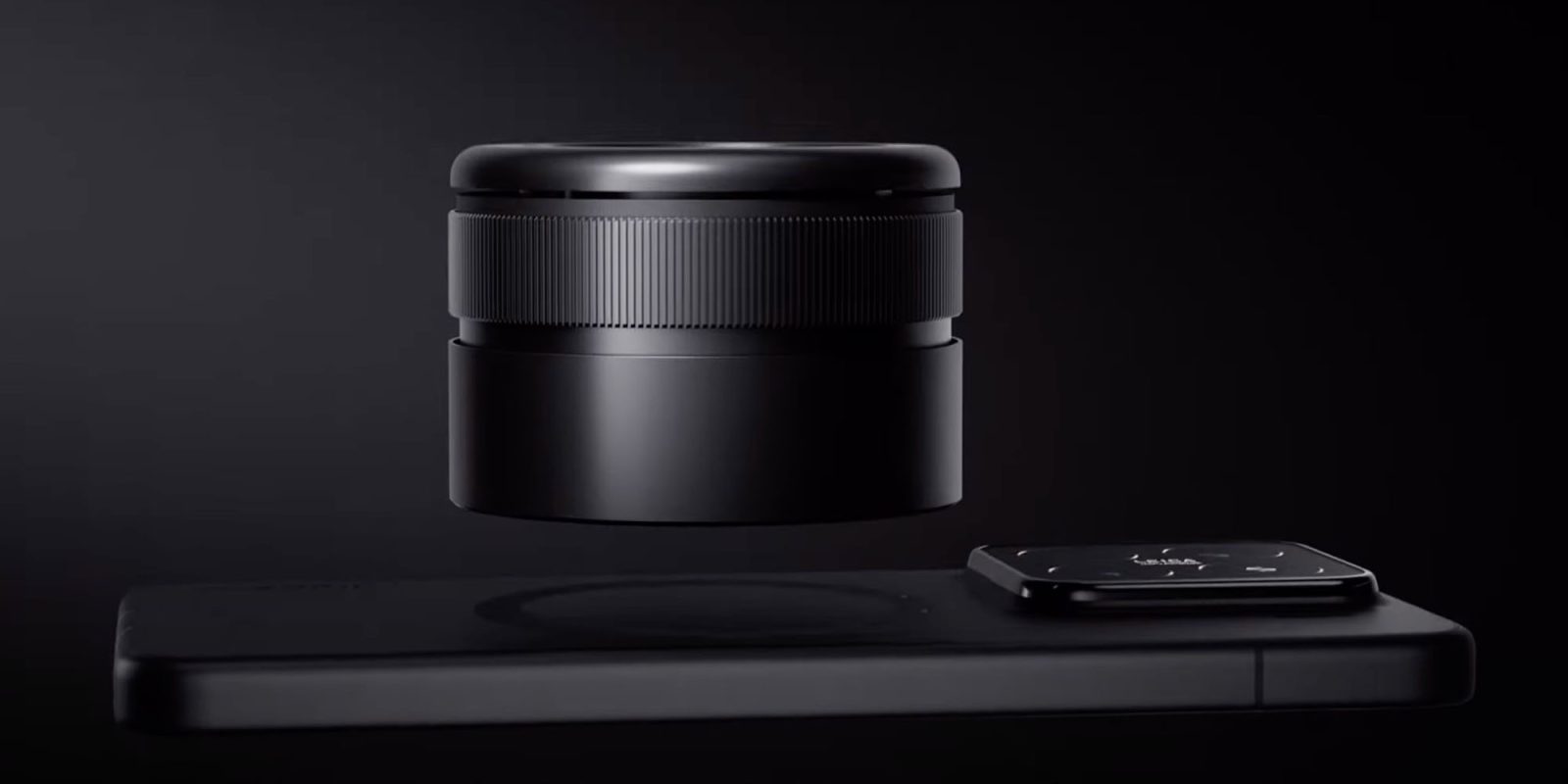
Would you like to see an Apple Camera Lens module for iPhone?

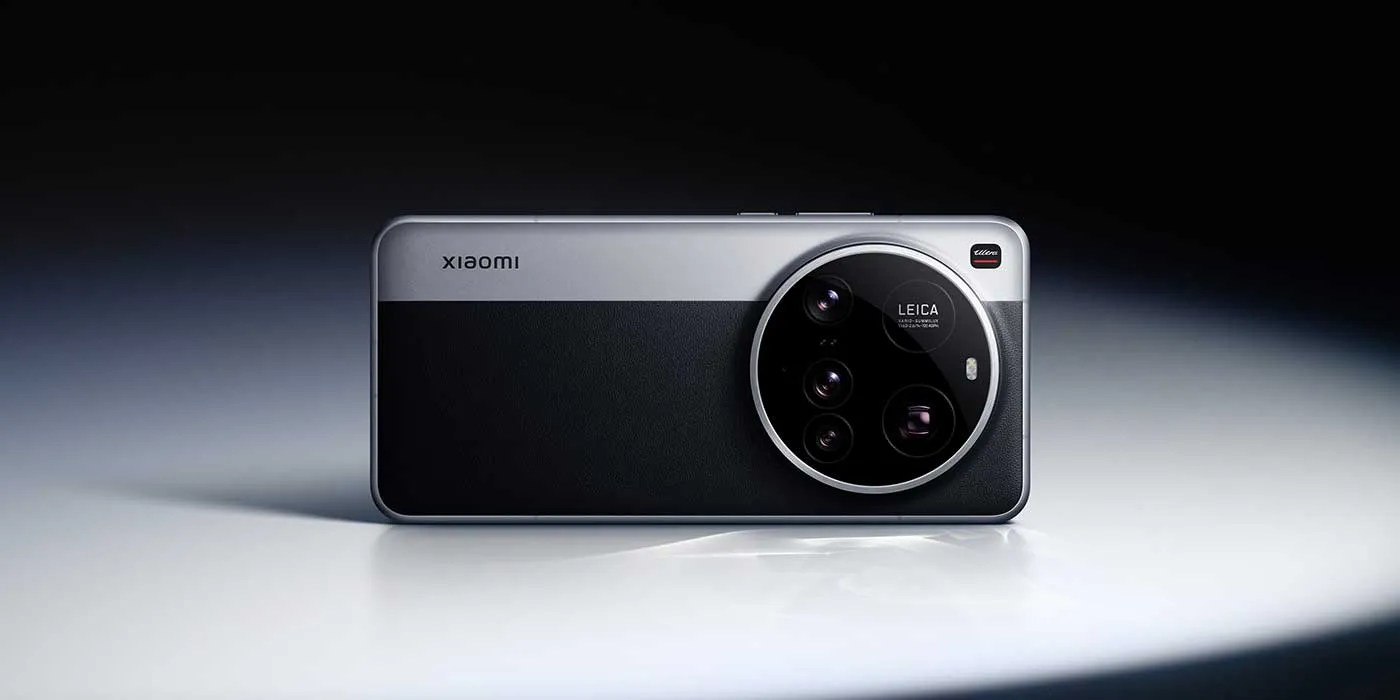
Would you like to see an Apple Camera Lens module for iPhone? | Xiaomi concept shown

Xiaomi has mostly made a living from copying everything coming out of Cupertino, but it’s lately done a couple of things I wouldn’t mind seeing Apple copy.

First there was the design of its 15 Ultra smartphone, and now it’s shown-off an interesting-looking concept that I think could make the basis of an excellent Apple Camera Lens module for iPhone …

Expand Expanding Close

Developers begin receiving final round of Small Developer Assistance Fund payments

Apple App Store money

In late 2022, initial payments for the Small Developer Assistance Fund started going out, with each eligible US developer receiving at least $1000 – up to 4x the projected minimum payout. A second round of payouts begun toward the end of 2023, and now the third and final round of payments started going out this week.

Expand Expanding Close

Apple reveals new child safety features and its approach to age assurance

In a new whitepaper published today, Apple outlined several tools it already offers to parents and developers to “help enhance child safety while safeguarding privacy. This includes Screen Time, Find My, Communication Saftey, Communication Limits, and more.

Over this year, Apple is introducing new features to build on its commitment to user privacy, security, and safety for children:

  • Make it even easier for parents to set up Child Accounts that underlie many of our parental controls.
  • Put parents in control by allowing them to share information about the age range of their kids with apps to enable developers to provide only age-appropriate content, all without needing to share their birthdate or other sensitive information. 
  • And further enhance parents’ insight and control over their kids’ experiences by updating our age ratings, adding more useful information on product pages, and making browsing safer on the App Store.
Expand Expanding Close

Apple blames ‘phonetic overlap’ for iOS dictation replacing ‘racist’ with ‘Trump’ 

Apple says that “phonetic overlap” is to blame for a peculiar glitch in the iPhone’s dictation feature.

Over the last several days, the “bug” has gained traction on various social networks including TiKTok. In one video on TikTok, you can see an iPhone user using the built-in dictation feature to clearly say the word “racist,” only for the iPhone to moementarily transcribe it as “Trump.” The transcription quickly corrects itself before being finalized.

Expand Expanding Close

Nine states proposing to make Apple and Google responsible for age verification

Nine states proposing to make Apple and Google app stores responsible for age verification | Two kids and an adult using iPads

At least nine US states are considering legislation that would make app store owners like Apple and Google responsible for age verification before giving access to apps with minimum age requirements. Currently the legal responsibility lies with developers.

The issue is most applicable to social media apps, which typically have a minimum age of 13, and is an approach advocated by Meta CEO Mark Zuckerberg

Expand Expanding Close

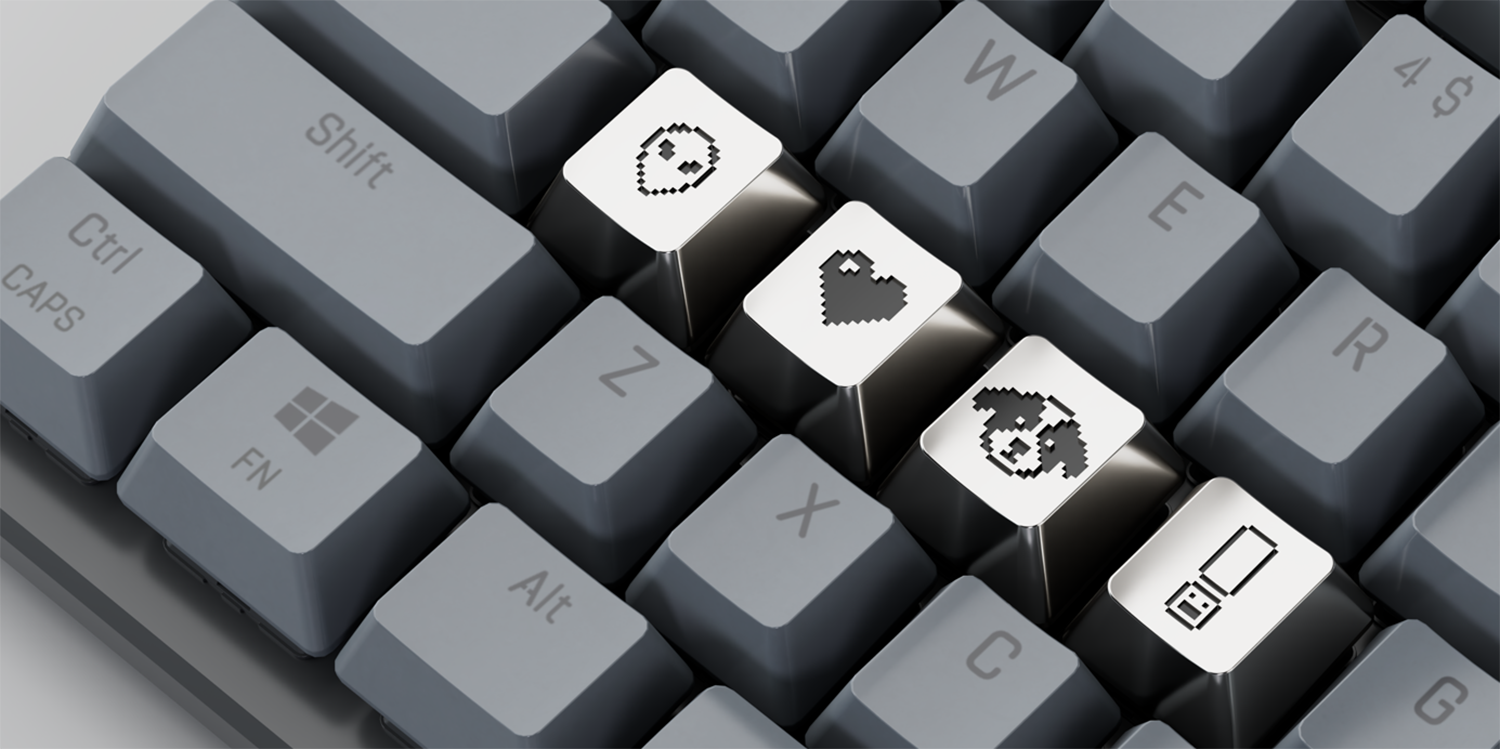
Mac icon creator Susan Kare offers cute, pricey keycaps in silver and gold

Mac icon creator Susan Kare adds cute, pricey keycaps (shown here in silver) to fun prints and more

Susan Kare is the artist best known for creating the original Macintosh iconography which played such an important role in making the computer appear friendly to non-tech users. The Happy Macintosh, Dogcow, and error bomb were among her creations.

She already offered a range of prints and other artworks based on those pixelated memories, and has now added to them with some similarly-styled keycaps in silver and gold …

Expand Expanding Close

iPhone 16 ban set to be lifted in Indonesia in return for $1B+

iPhone 16 ban set to be lifted in Indonesia in return for $1B+ | Photo shows Jakarta at night

A months-long iPhone 16 ban in Indonesia finally looks set to be lifted, after Apple reportedly agreed to increase its billion dollar investment in the country. The launch of the iPhone 16e would have further added to pressure on the Cupertino company to agree a deal.

The latest report says that Apple will sign an agreement with the Indonesian government later this week, with an official lifting of the ban set to be announced immediately afterwards …

Expand Expanding Close

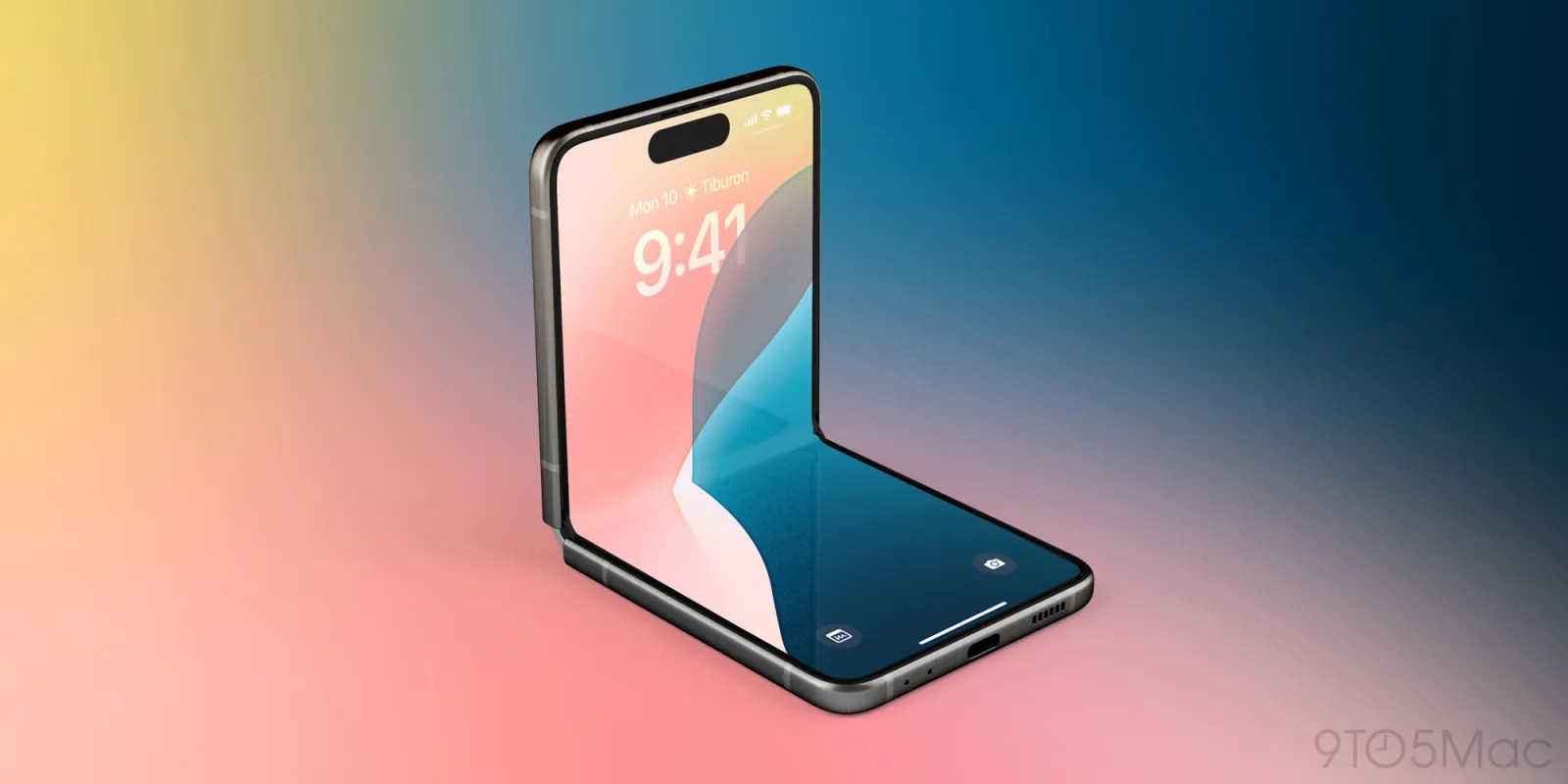
The biggest problem with a folding iPhone has been solved, says new report

The biggest problem with a folding iPhone has been solved to Apple's satisfaction | 9to5Mac render shown

Apple famously likes to take its time with most forms of new tech, preferring to be best rather than first, and that’s been true of a folding iPhone.

The company reportedly hasn’t been impressed with the quality of Android models to date, with one issue in particular most bothering the iPhone maker …

Expand Expanding Close