AAPL Company

See All Stories

Breaking news from Cupertino. We’ll give you the latest from Apple headquarters and decipher fact from fiction from the rumor mill.
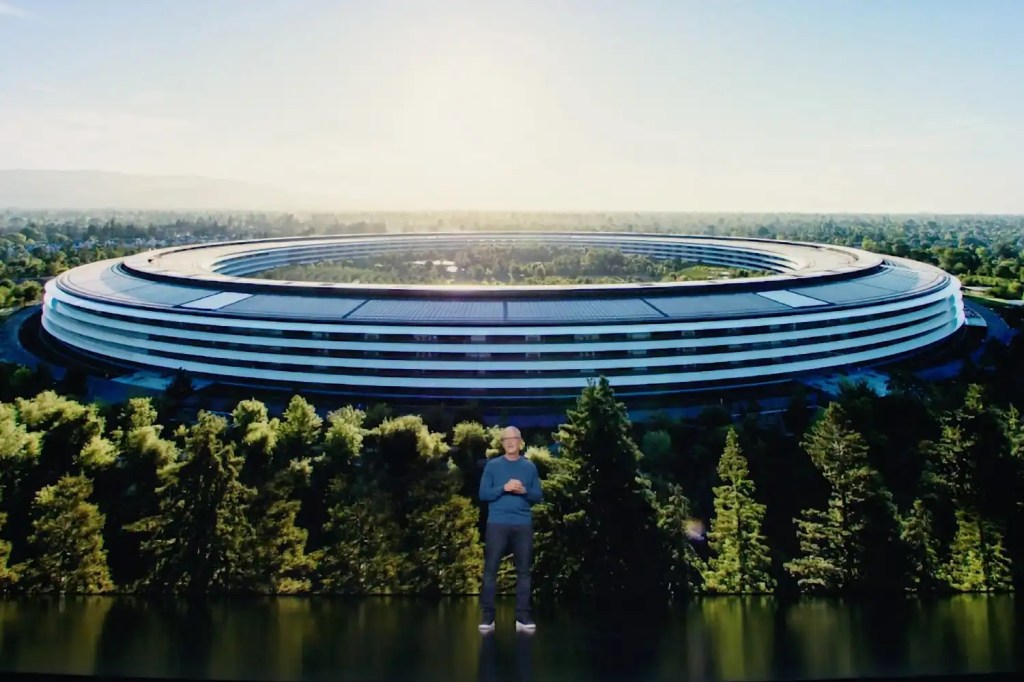
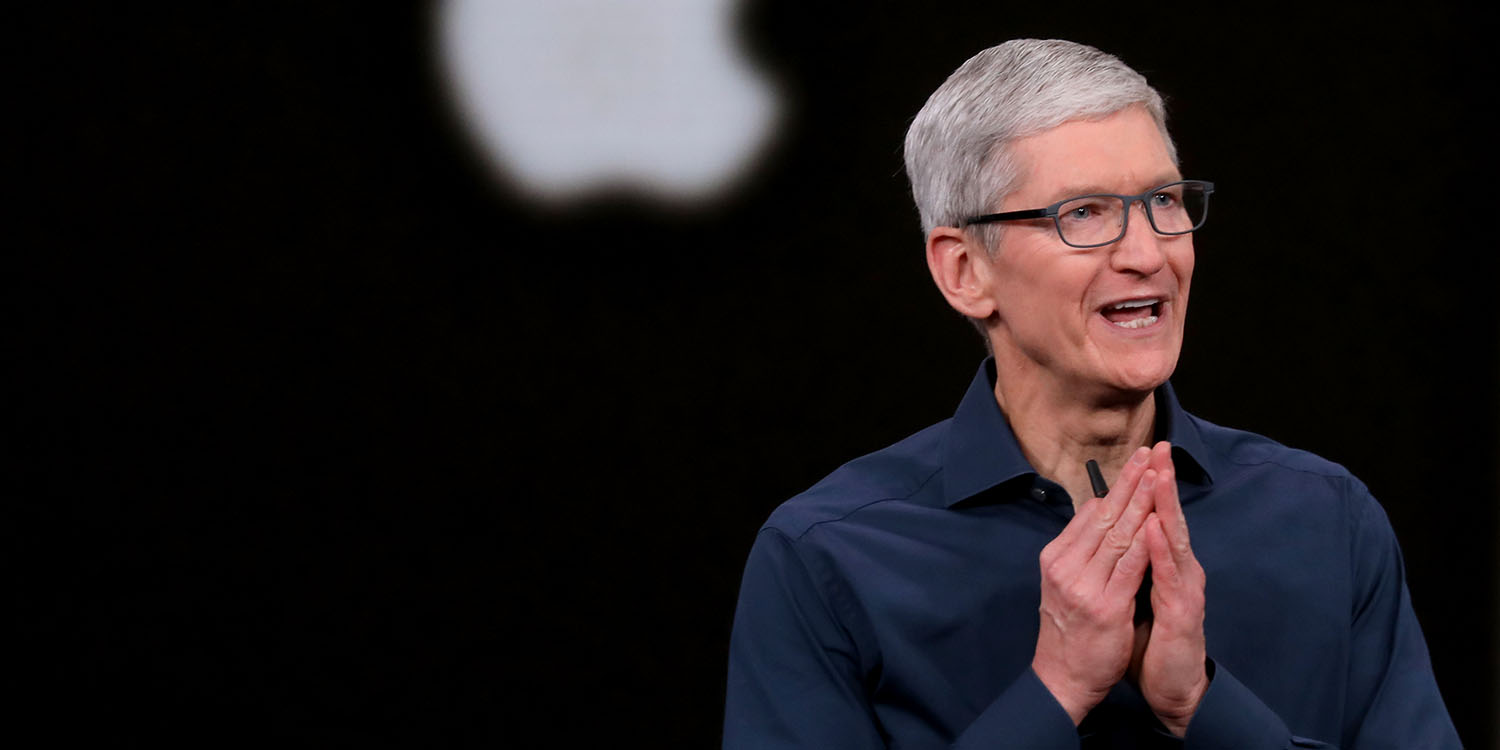
Apple Park Tim Cook AAPL

AAPL is a California-based computer company that became the most successful smartphone company in the world.

AAPL defined by Apple

Here’s how Apple defines itself:

Apple revolutionized personal technology with the introduction of the Macintosh in 1984. Today, Apple leads the world in innovation with iPhone, iPad, Mac, Apple Watch, and Apple TV. Apple’s five software platforms — iOS, iPadOS, macOS, watchOS, and tvOS — provide seamless experiences across all Apple devices and empower people with breakthrough services including the App Store, Apple Music, Apple Pay, and iCloud. Apple’s more than 100,000 employees are dedicated to making the best products on earth, and to leaving the world better than we found it.

Key AAPL history

From Apple I to iMac

Apple was founded in 1976 by Steve Jobs (Steve), Steve Wozniak (Woz), and (briefly) Ronald Wayne as a business partnership: Apple Computer Company. The following year it became Apple Computer, Inc. The company’s first product was the Apple I, a personal computer hand-built by Woz and sold in part-completed kit form. The Apple II and Apple III followed.

The modern Apple as we know it today began in 1983, with the launch of the first personal computer with a graphical user interface, the Lisa. Way too expensive to succeed, it was replaced by the Macintosh in 1984, launched with the single showing of a Ridley Scott commercial during the Super Bowl. The Macintosh transformed the world’s understanding of what a computer was, and would eventually lead to Microsoft adopting the GUI approach.

Steve Jobs and then Apple-CEO John Scully fell out in 1985, when Steve wanted to focus on the Macintosh while Scully wanted to put more attention on the Apple II, which was still selling well. That led to Steve being forced out of the company and going off to form NeXT.

Apple focused on selling Macintosh models at the highest possible margins, but would eventually fall foul of a mix of unsustainable pricing in the face of competition from Windows machines, and an overly complex product lineup. By 1996, the company was in trouble, and in 1997 Steve was brought back, along with the NeXT operating system, which would eventually form the basis of Mac OS X.

Steve simplified the Mac lineup and had industrial designer Jony Ive work on a whole new look for a consumer desktop Mac, the colorful iMac. The iMac, like the original Macintosh, again changed the world’s understanding of what a computer was, and who should want one.

From Apple Computer, Inc. to Apple, Inc.

In 2001, Apple launched the iPod. Although this wasn’t the first mp3 player, it was massively better than anything on the market at the time, and succeeded in turning a geeky piece of technology into a consumer electronics product with mass-market appeal.

The success of the iPod paved the way into other mobile devices. Apple was working on what would eventually become the iPad, when Steve realized that this was the basis of a smartphone. He diverted the team’s work into this, to launch the iPhone in 2007. The iPad launched later, in 2010.

The iPhone was yet another transformational product. While most other smartphones of the time were clunky devices with a keyboard and stylus, the iPhone was a sleek-looking device operated with a finger, and so simple that no user guide was needed. It was with the launch of the iPhone that Apple Computer, Inc. was renamed to Apple, Inc.

From Intel to Apple Silicon

While the iPhone, iPad, Apple Watch, and more are made with Apple-designed processors, the Mac lineup has historically relied on third-party companies for its CPUs. Over the years, Macs progressed from Motorola 680000 series chips through PowerPC to Intel.

In 2020, Apple began a two-year transition to the final stage in that journey, with Macs too finally getting Apple-designed chips. The first such is the M1 chip, used in the latest Mac mini, MacBook Air, and 13-inch MacBook Pro. Other Apple Silicon Macs followed.

AAPL today

Apple is one of the largest companies in the world. It was the first publicly traded company to hit a trillion-dollar valuation in 2018, $2 trillion in 2020, and $3T in 2022.

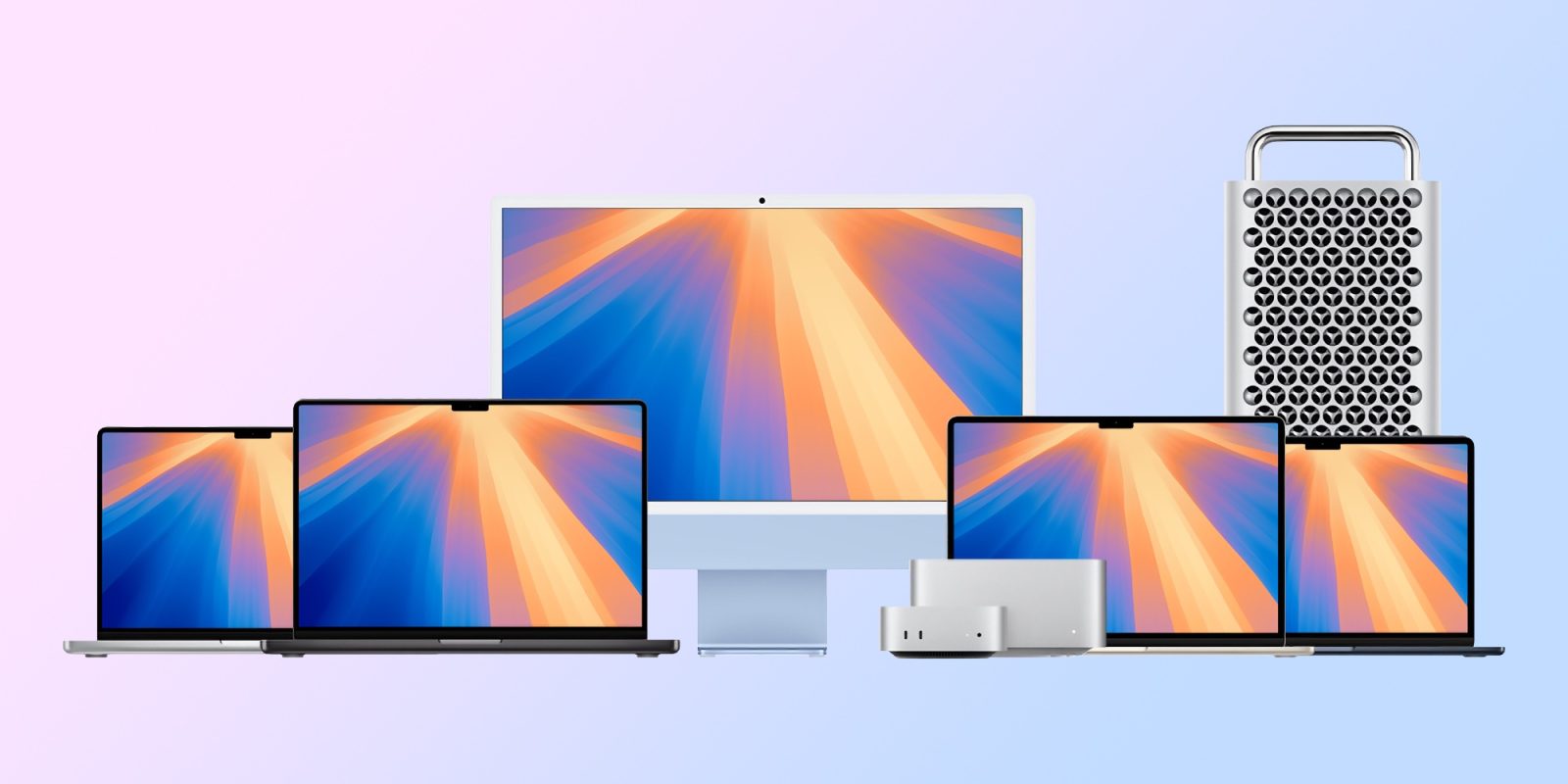
The company’s product lineup includes five different Mac families (MacBook Air, MacBook Pro, iMac, Mac Pro, and Mac mini); four iPad ranges (iPad mini, iPad, iPad Air, iPad Pro); four iPhone 12 models (12, 12 mini, 12 Pro, 12 Pro Max); three main Apple Watch models (SE, Series 3, Series 6); as well as other products, including Apple TV, AirPods, and HomePod mini.

In addition to hardware sales, Apple derives a growing proportion of its income from Services, including the App Store, iCloud, Apple Music, and Apple Pay.


Apple’s homepage invites you to start 2025 with a 3-month free trial of Apple Fitness+

Apple's homepage invites you to start 2025 with a 3-month free trial of Apple Fitness+ | Screengrab shown

Many start the new year full of good intentions on the exercise front, and Apple is offering some encouragement through a homepage promotion of a free three-month trial of Apple Fitness+.

The offer itself isn’t new – it’s been available with the purchase of a new device since 2022 – but the homepage promo is clearly intended to tap into new year resolutions …

Expand Expanding Close

Tim Cook told us how Apple will change the world, but it’s finally taking shape

Apple has a reputation for creating game-changing products. It’s done this in a variety of categories spanning its history of hardware, software, and services. But it’s natural to always seek out the next big thing. Apple’s CEO Tim Cook though, interestingly enough, has already told us what it is—and now it’s starting to take shape.

Expand Expanding Close

Here’s the care Apple takes to test iPhone video recording

Here's the care Apple takes to test the microphones for iPhone cameras | Photo of Apple's anechoic chamber

CNET’s headline reference to “a rare look inside Apple’s secret iPhone 16 camera labs” is somewhat hyperbolic, since there’s nothing secret about them: we’ve seen one of them a couple of times before.

But the piece does, all the same, provide an interesting look at some of the testing processes used during the development of a new iPhone …

Expand Expanding Close

TSMC Arizona chip plant still has 50% Taiwanese workers in the run-up to production

TSMC Arizona chip plant still has 50% Taiwanese workers in the run-up to production | US flag seen from road

A full half of the jobs created by the first TSMC Arizona chip plant have been filled by workers from Taiwan, despite the company receiving up to $11.6B worth of grants intended in large part to generate US jobs.

The original headline news of Apple chips being made in the US by American workers has seemed less and less impressive over time …

Expand Expanding Close

Apple recently discontinued these 15 products

End of an era: Apple discontinues 8GB RAM Macs as the entire lineup now starts with 16GB

Apple’s had a very eventful fall, with a jam packed September event, an iPad mini 7 launch in mid October, followed up by an “exciting week of announcements” at the end of the month.

With all of those new product announcements, there were also a number of discontinuations of older products, meaning they’re no longer available to purchase from the Apple Store. However, there’s still good deals to find on last gen products from third parties.

Expand Expanding Close

Eddy Cue reveals the three reasons Apple won’t build a search engine

Apple and Google

Apple and Google’s $20 billion deal, which sees Google serve as the default search engine on the iPhone, is under scrutiny. As we reported this morning, the United States DOJ is continuing its case against Google’s dominance in the search industry – and that lucrative Apple agreement is a focal point.

In a new court filing this week spotted by Reuters, Eddy Cue, Apple’s Senior Vice President of Services, outlined why Apple itself would never develop its own search engine.

Expand Expanding Close

Apple wanted the iPhone 18 to be that ‘single slab of glass’ but it looks unlikely

Apple's single slab of glass vision is tougher than the Galaxy Edge shown here

Former Apple design chief Jony Ive had long seen the holy grail of iPhone design to be “a single slab of glass” without any bezels. A new supply-chain report says Apple had hoped that the iPhone 18 would see it achieve that objective, but it now looks unlikely.

The goal, says the report, is to have the entirety of the front of the device be display, with the screen flowing seamlessly into the sides of the phone …

Expand Expanding Close

Google court filing makes bizarre suggestion about iPhone and iPad

iPhone and iPad could have different default search engines, says bizarre Google court filing | Both devices on a desk

The iPhone and iPad could have different default search engines, argues a Google court filing, as the company attempts to protect its $20B a year deal with Apple.

Google’s annual payment to Apple to be the default search engine in Safari looks certain to be banned in an antitrust case, but the search giant is hitting back with a number of counterproposals …

Expand Expanding Close

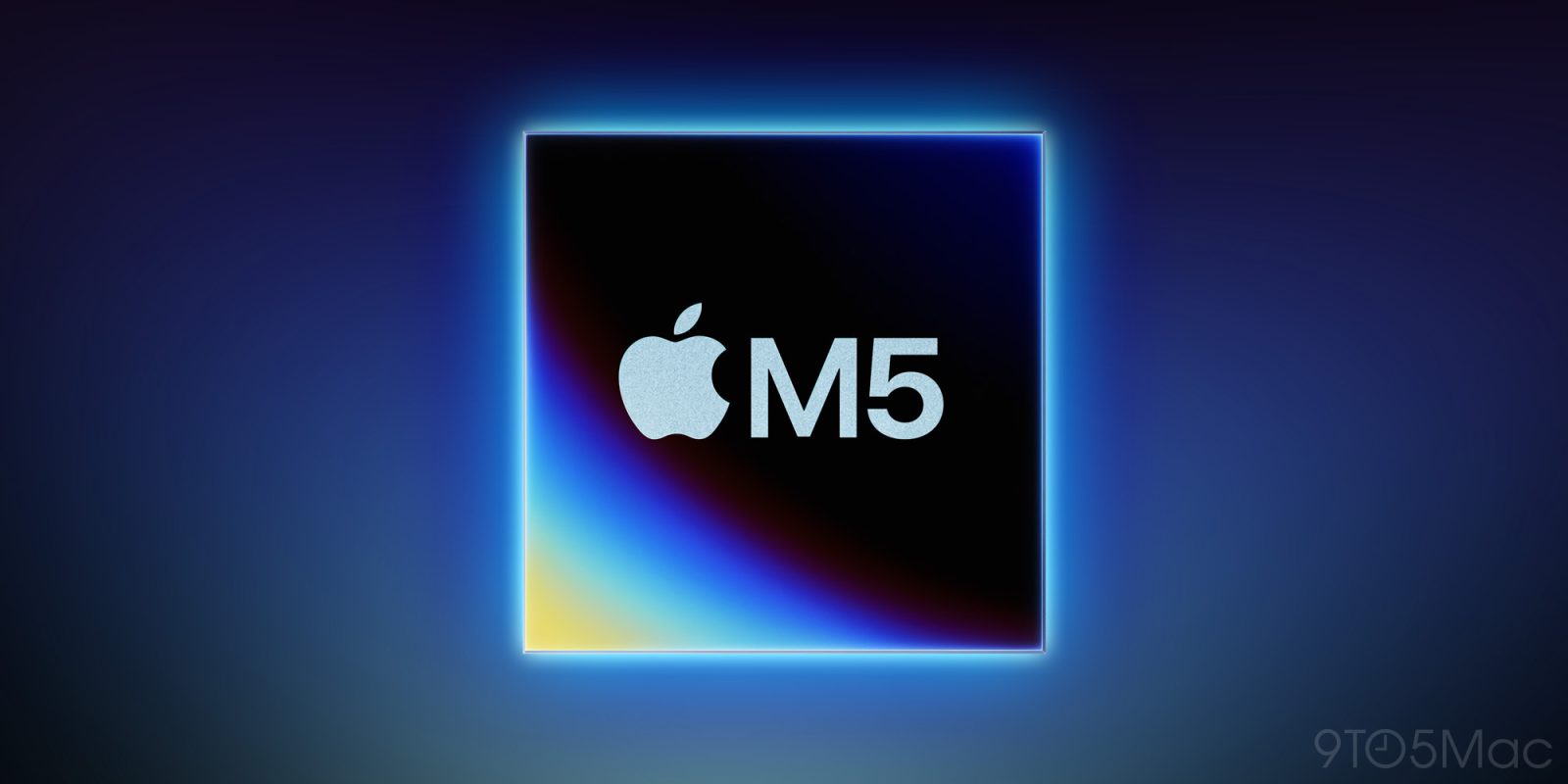
M5 Pro chip could separate CPU and GPU in ‘server grade’ chips

M5 Pro chip could separate CPU and GPU in 'server grade' chips | Illustration of M5 chip graphic

One of the key elements of Apple’s A-series and M-series chips is the System-on-a-Chip (SoC) design which tightly integrates all the components within a single package. This includes both CPU and GPU.

But a new report suggests that the M5 Pro chip may take a different approach of having more separated CPU and GPU in order to improve performance and boost production yields …

Expand Expanding Close

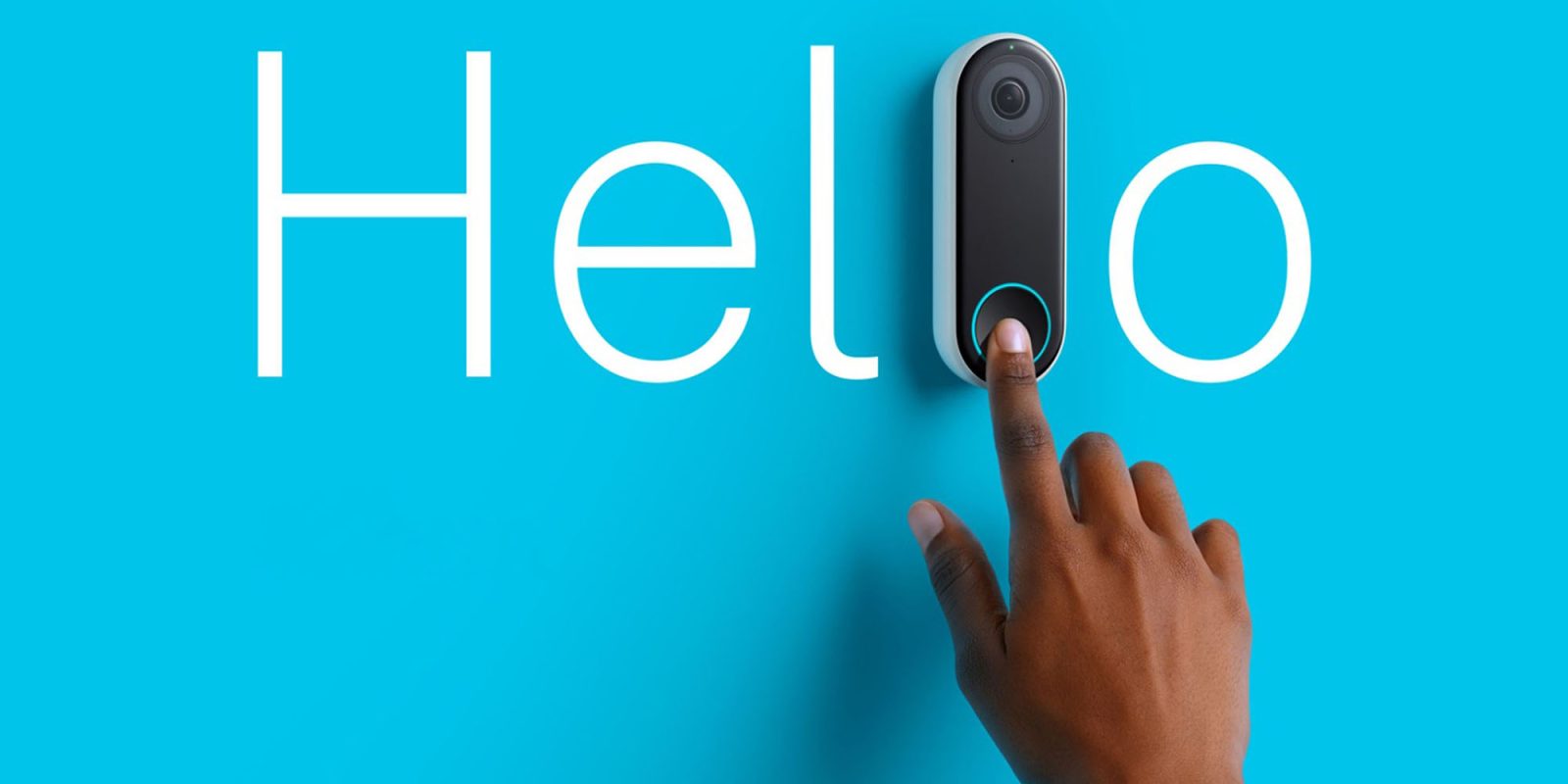
An Apple smart doorbell would be a sure-fire winner – for all of us

An Apple smart doorbell would be a sure-fire winner | Nest doorbell shown

A report over the weekend suggested an Apple smart home doorbell with support for Face ID is in development. It follows an earlier report of an Apple smart home camera next year.

While it could be argued that both are commodity products, and that Apple’s most important contribution is the HomeKit platform rather than the hardware, there seems little doubt about the opportunity here …

Expand Expanding Close

Apple Intelligence Chinese launch remains problematic as talks continue

Apple Intelligence Chinese launch remains problematic as talks continue | Illustration of circuit board with AI chip

An Apple Intelligence Chinese launch isn’t looking much closer, as the company continues forced talks with local companies about partnerships.

Apple reportedly wanted to use its own generative AI models in China, but that would require government approval which – it has been strongly implied – would not be forthcoming …

Expand Expanding Close

Apple collaborates with NVIDIA to research faster LLM performance

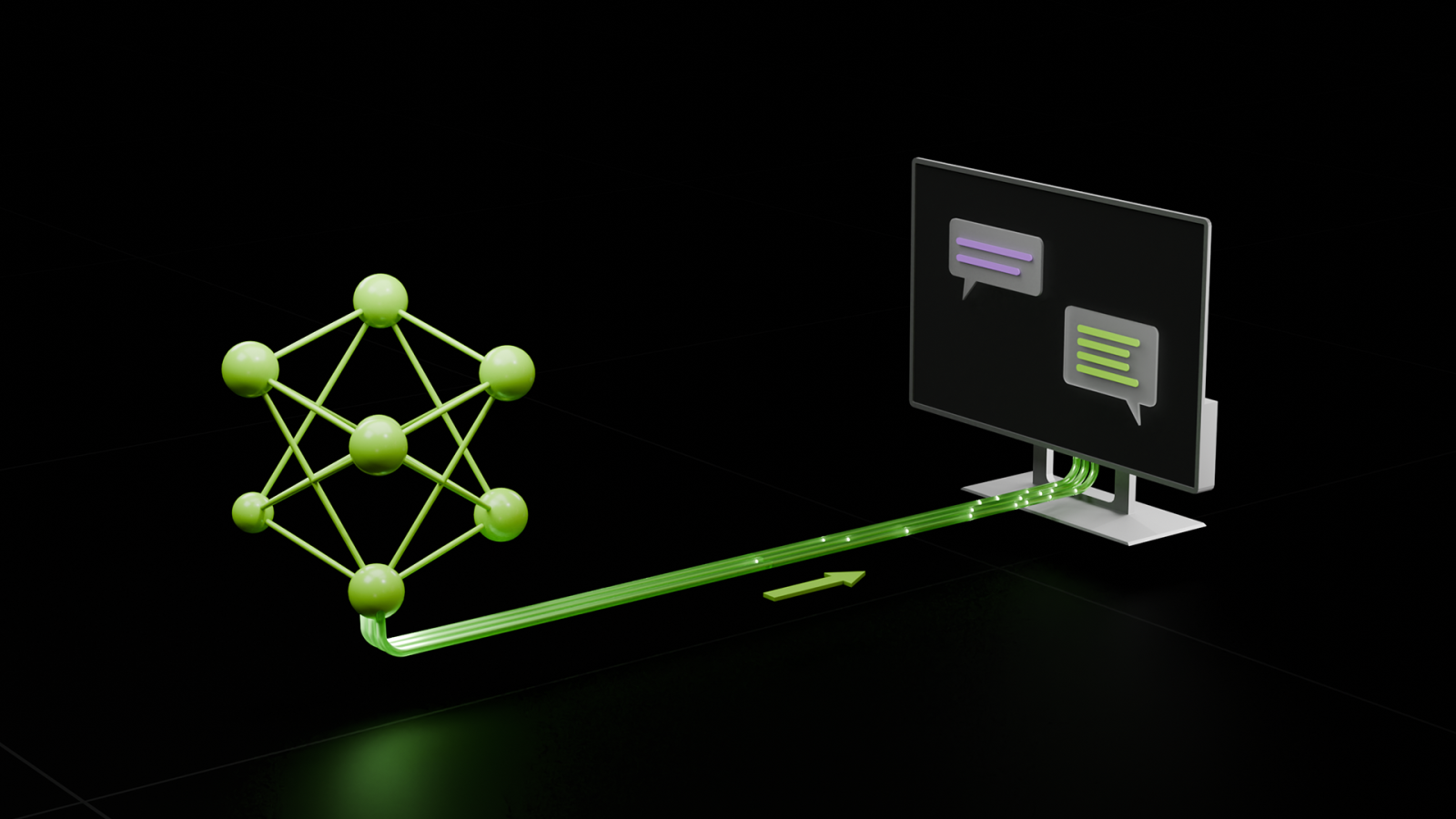
In a blog post today, Apple engineers have shared new details on a collaboration with NVIDIA to implement faster text generation performance with large language models.

Apple published and open sourced its Recurrent Drafter (ReDrafter) technique earlier this year. It represents a new method for generating text with LLMs that is significantly faster and “achieves state of the art performance.” It combines two techniques: beam search (to explore multiple possibilities) and dynamic tree attention (to efficiently handle choices).

Expand Expanding Close

Apple’s foldable iPad is likely a test-bed for a future MacBook

Apple's foldable iPad is likely a test-bed for a future MacBook | Render of an all-screen MacBook

Bloomberg this weekend reported that Apple has made prototypes of a foldable iPad, and plans to release it in 2028. The device is said to open out into a screen with a size approaching 20 inches.

The report is intriguing, because it describes a product that might seem almost as niche as Vision Pro, but it may be that Apple will launch it for similar reasons …

Expand Expanding Close

Apple’s AR smart glasses likely aren’t being released anytime soon, sadly

Meta Orion Smart Glasses

For the longest time, we’ve heard rumors about Apple developing some form of AR smart glasses. Nothing has come to light of that, though we do now have Apple Vision Pro, which has a number of similarities with potential AR glasses, albeit in a much bulkier form factor.

However, despite companies like Meta and Snapchat showing off cool demos of augmented reality glasses, Mark Gurman from Bloomberg reports that Apple is around 3-5 years away from “getting the approach right.”

Expand Expanding Close