AAPL Company

See All Stories

Breaking news from Cupertino. We’ll give you the latest from Apple headquarters and decipher fact from fiction from the rumor mill.
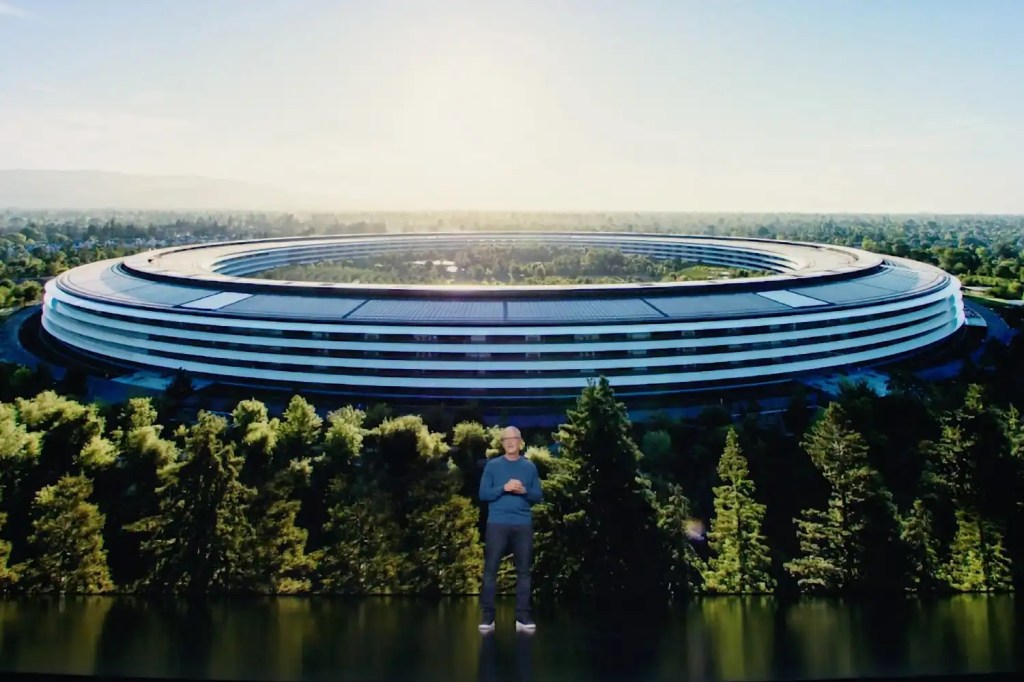
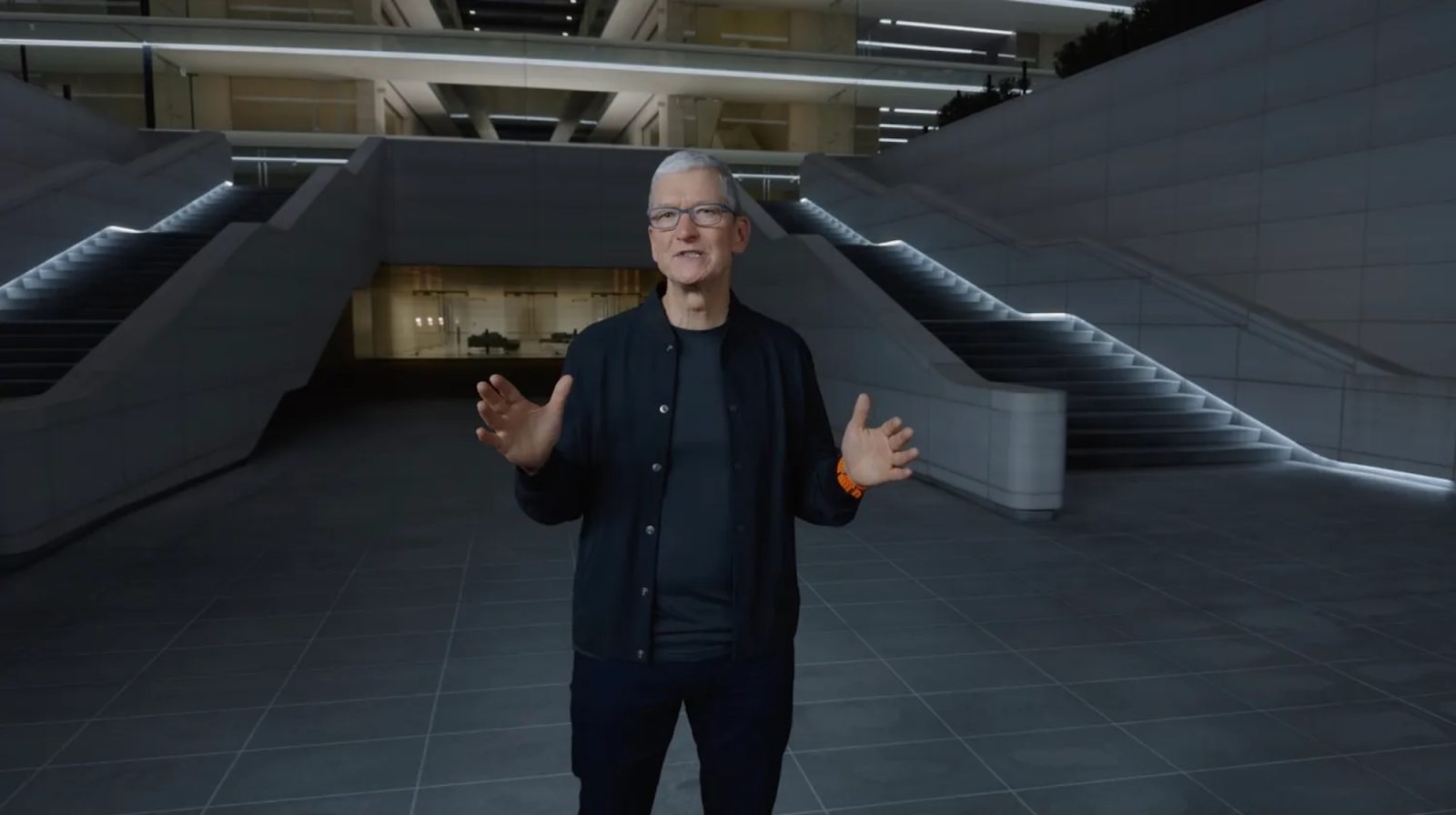
Apple Park Tim Cook AAPL

AAPL is a California-based computer company that became the most successful smartphone company in the world.

AAPL defined by Apple

Here’s how Apple defines itself:

Apple revolutionized personal technology with the introduction of the Macintosh in 1984. Today, Apple leads the world in innovation with iPhone, iPad, Mac, Apple Watch, and Apple TV. Apple’s five software platforms — iOS, iPadOS, macOS, watchOS, and tvOS — provide seamless experiences across all Apple devices and empower people with breakthrough services including the App Store, Apple Music, Apple Pay, and iCloud. Apple’s more than 100,000 employees are dedicated to making the best products on earth, and to leaving the world better than we found it.

Key AAPL history

From Apple I to iMac

Apple was founded in 1976 by Steve Jobs (Steve), Steve Wozniak (Woz), and (briefly) Ronald Wayne as a business partnership: Apple Computer Company. The following year it became Apple Computer, Inc. The company’s first product was the Apple I, a personal computer hand-built by Woz and sold in part-completed kit form. The Apple II and Apple III followed.

The modern Apple as we know it today began in 1983, with the launch of the first personal computer with a graphical user interface, the Lisa. Way too expensive to succeed, it was replaced by the Macintosh in 1984, launched with the single showing of a Ridley Scott commercial during the Super Bowl. The Macintosh transformed the world’s understanding of what a computer was, and would eventually lead to Microsoft adopting the GUI approach.

Steve Jobs and then Apple-CEO John Scully fell out in 1985, when Steve wanted to focus on the Macintosh while Scully wanted to put more attention on the Apple II, which was still selling well. That led to Steve being forced out of the company and going off to form NeXT.

Apple focused on selling Macintosh models at the highest possible margins, but would eventually fall foul of a mix of unsustainable pricing in the face of competition from Windows machines, and an overly complex product lineup. By 1996, the company was in trouble, and in 1997 Steve was brought back, along with the NeXT operating system, which would eventually form the basis of Mac OS X.

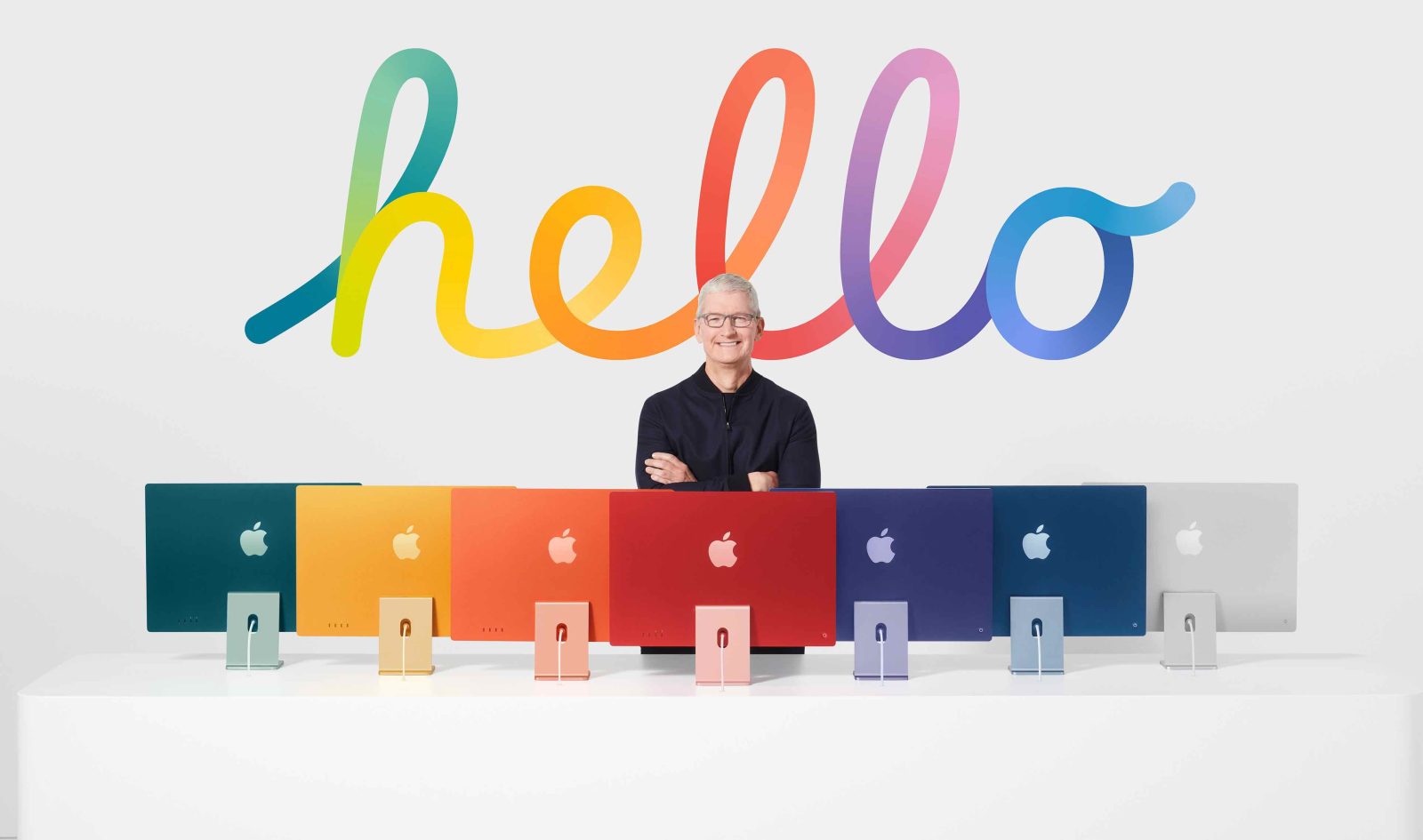
Steve simplified the Mac lineup and had industrial designer Jony Ive work on a whole new look for a consumer desktop Mac, the colorful iMac. The iMac, like the original Macintosh, again changed the world’s understanding of what a computer was, and who should want one.

From Apple Computer, Inc. to Apple, Inc.

In 2001, Apple launched the iPod. Although this wasn’t the first mp3 player, it was massively better than anything on the market at the time, and succeeded in turning a geeky piece of technology into a consumer electronics product with mass-market appeal.

The success of the iPod paved the way into other mobile devices. Apple was working on what would eventually become the iPad, when Steve realized that this was the basis of a smartphone. He diverted the team’s work into this, to launch the iPhone in 2007. The iPad launched later, in 2010.

The iPhone was yet another transformational product. While most other smartphones of the time were clunky devices with a keyboard and stylus, the iPhone was a sleek-looking device operated with a finger, and so simple that no user guide was needed. It was with the launch of the iPhone that Apple Computer, Inc. was renamed to Apple, Inc.

From Intel to Apple Silicon

While the iPhone, iPad, Apple Watch, and more are made with Apple-designed processors, the Mac lineup has historically relied on third-party companies for its CPUs. Over the years, Macs progressed from Motorola 680000 series chips through PowerPC to Intel.

In 2020, Apple began a two-year transition to the final stage in that journey, with Macs too finally getting Apple-designed chips. The first such is the M1 chip, used in the latest Mac mini, MacBook Air, and 13-inch MacBook Pro. Other Apple Silicon Macs followed.

AAPL today

Apple is one of the largest companies in the world. It was the first publicly traded company to hit a trillion-dollar valuation in 2018, $2 trillion in 2020, and $3T in 2022.

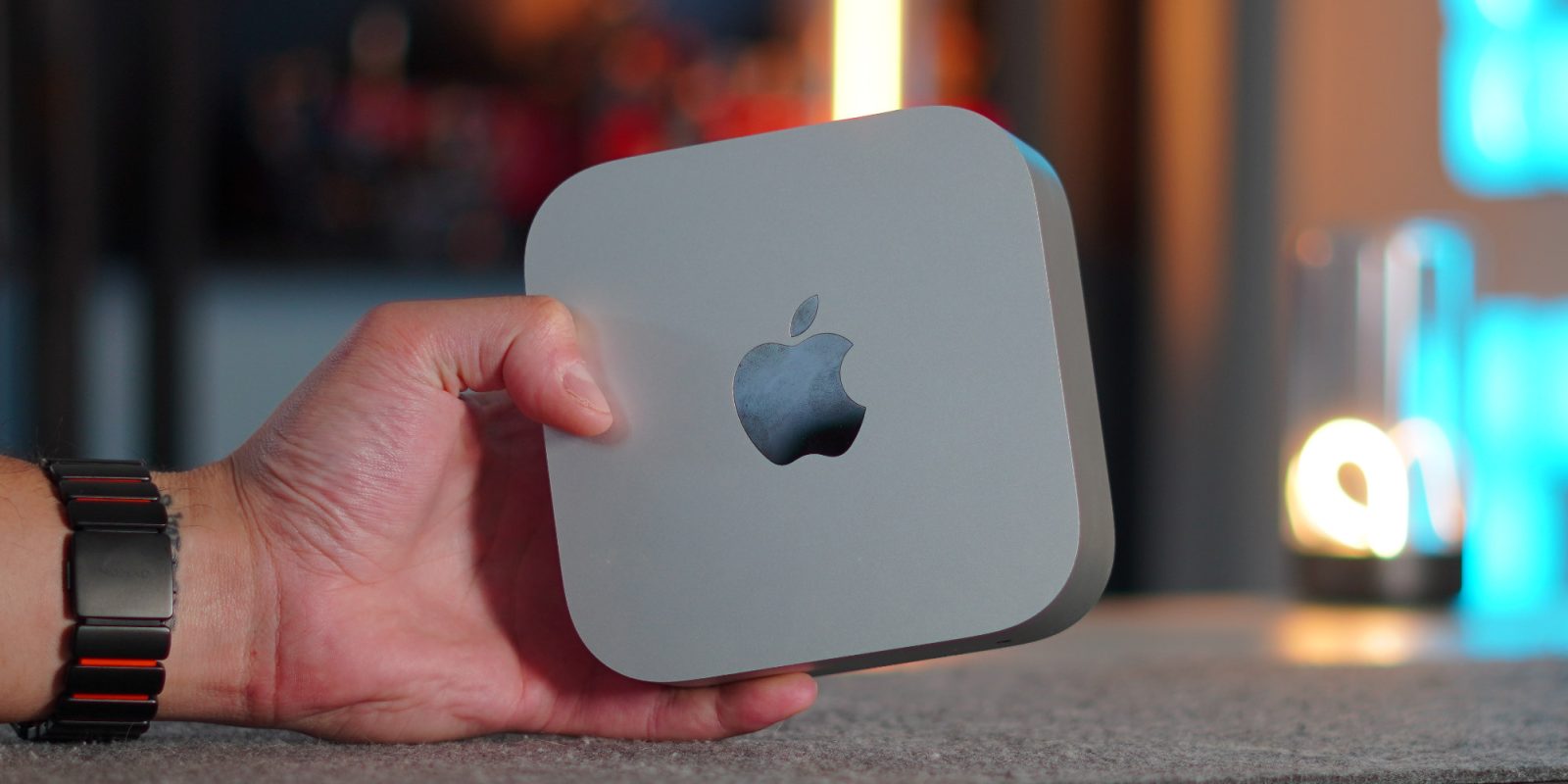
The company’s product lineup includes five different Mac families (MacBook Air, MacBook Pro, iMac, Mac Pro, and Mac mini); four iPad ranges (iPad mini, iPad, iPad Air, iPad Pro); four iPhone 12 models (12, 12 mini, 12 Pro, 12 Pro Max); three main Apple Watch models (SE, Series 3, Series 6); as well as other products, including Apple TV, AirPods, and HomePod mini.

In addition to hardware sales, Apple derives a growing proportion of its income from Services, including the App Store, iCloud, Apple Music, and Apple Pay.

A 15-year mystery solved: The 20 bytes of code that fixed Antennagate

The 20 bytes of code that fixed Antennagate | Boxed iPhone 4 shown

Ah, 2010. The year when Apple launched the iPad, but the limelight was stolen by something else entirely: Antennagate. Soon after the launch of the iPhone 4, users discovered that when they held the phone in a typical grip for a phone call, the number of bars shown for signal strength immediately dropped dramatically.

Apple responded in a number of ways, including Steve Jobs famously suggesting that users were holding the phone wrong, but the issue was resolved by changing just 20 bytes of code …

Expand Expanding Close

Apple reportedly close to settling with the EU over Digital Markets Act violations

Apple reportedly close to settling with the EU over Digital Markets Act violations | Photo shows a couple holding hands

Although Apple is on record as saying that it wants to see the EU’s Digital Markets Act either repealed or substantially revised, it is reportedly close to reaching a settlement with the antitrust regulator.

In public, the two have engaged in a pretty fierce war of words, but a new report claims that they are close to reaching a behind-the-scenes agreement …

Expand Expanding Close

Former veteran Apple marketing exec challenges Tim Cook over ICEBlock

Former veteran Apple marketing exec challenges Tim Cook on human rights over ICEBlock | ICEBlock logo on red background with water droplets

The controversy over Apple removing ICEBlock from the App Store is showing no signs of ending. The latest development is a former Apple marketing veteran challenging Tim Cook on the company’s human rights values.

Wiley Hodges worked for Apple for more than 20 years, the last 15 of them as a director of marketing and product management, and he’s written an open letter to Cook expressing his dismay at the decision …

Expand Expanding Close

Apple short film The Underdogs cleverly showcases Mac security and much more

Apple short film The Underdogs cleverly showcases Mac security and much more | Screengrab shown

A new Apple short film called The Underdogs: Blue Screen of Death has been posted to the company’s YouTube channel as part of an occasional series that was first launched back in 2019.

Eight minutes long, it’s a gentle comedy that highlights the built-in security features of Macs while also showing off a whole range of the company’s ecosystem features …

Expand Expanding Close

Apple faces cybercrime investigation in France after Siri complaint

Apple faces cybercrime investigation in France after Siri complaint | Stock photo of a man using a blocking gesture

Apple is facing a cybercrime investigation in France over its capture and review of voice recordings to improve the quality of Siri responses.

The probe faces complaints by a human rights organization over a 2019 revelation that Apple was using contractors to listen to voice recordings of Siri interactions by its customers despite its privacy promises …

Expand Expanding Close

Two SpaceX developments might encourage Apple to switch to Starlink

Two SpaceX developments might encourage Apple to switch to Starlink | SpaceX Starlink launcher shown

Apple has gradually ramped up the capabilities of its iPhone satellite communications services, but a new report suggests that the company may need to switch supplier in order to boost capacity.

The company currently partners with Globalstar for all of its satellite comms services, but two SpaceX developments mean that Apple might switch to Starlink for future services …

Expand Expanding Close

Here’s my top 10 list of Apple and non-Apple tech – what’s yours?

Here's my top 10 Apple and non-Apple tech – what's yours? | Photo of my home office desk setup

When it comes to favorite technology, Apple gets a double win from me. My MacBook Pro is my single most important piece of tech, and the Apple ecosystem is absolutely core to my approach to a whole range of things, across both work and leisure.

But I also have a number of non-Apple devices that either serve as important accessories or standalone devices in their own right …

Expand Expanding Close

The British government is still insisting Apple has to create a backdoor into iCloud

The British government is still insisting Apple must create a backdoor into iCloud | Low-key photo of eyes peering from the darkness

We learned back in February that the British government had secretly ordered Apple to create a worldwide backdoor into iCloud. We said at the time that the demand was “as technically clueless as it is outrageous.”

Apple responded very intelligently, and it seemed from a development last month that the UK had withdrawn its demand. We’re learning today that this isn’t in fact the case …

Expand Expanding Close

Epic Games gives backhanded compliment to Apple over removal of scare screens

Epic Games gives backhanded compliment to Apple over removal of scare screens | Screenshots of the new flow

Epic Games has given Apple a backhanded compliment over the changes it made to reduce the barriers to installing the company’s games store on iPhones.

Apple had long come under antitrust fire for forcing users to take 15 separate steps to install a third-party app store. The company has now reduced that to six steps and eliminated what has been described as a “scare screen with a misleading message” …

Expand Expanding Close

Apple says EU law will mean more features are delayed, maybe even new hardware

Apple says EU law will mean more features are delayed, maybe even new hardware | Close-up photo of hourglass with blue sand

The European Union is currently carrying out a consultation process into the impact of its Digital Markets Act (DMA). This is the antitrust legislation which required Apple to permit third-party app stores and which the company says has made it impossible to release some software features to EU users.

In its response, Apple says it has not yet released either iPhone Mirroring or AirPods Live Translation within EU countries over privacy concerns, and it expects more features to be delayed in Europe. The company in its submission to regulators said there was a possibility some hardware launches might be affected …

Expand Expanding Close