AAPL Company

See All Stories

Breaking news from Cupertino. We’ll give you the latest from Apple headquarters and decipher fact from fiction from the rumor mill.
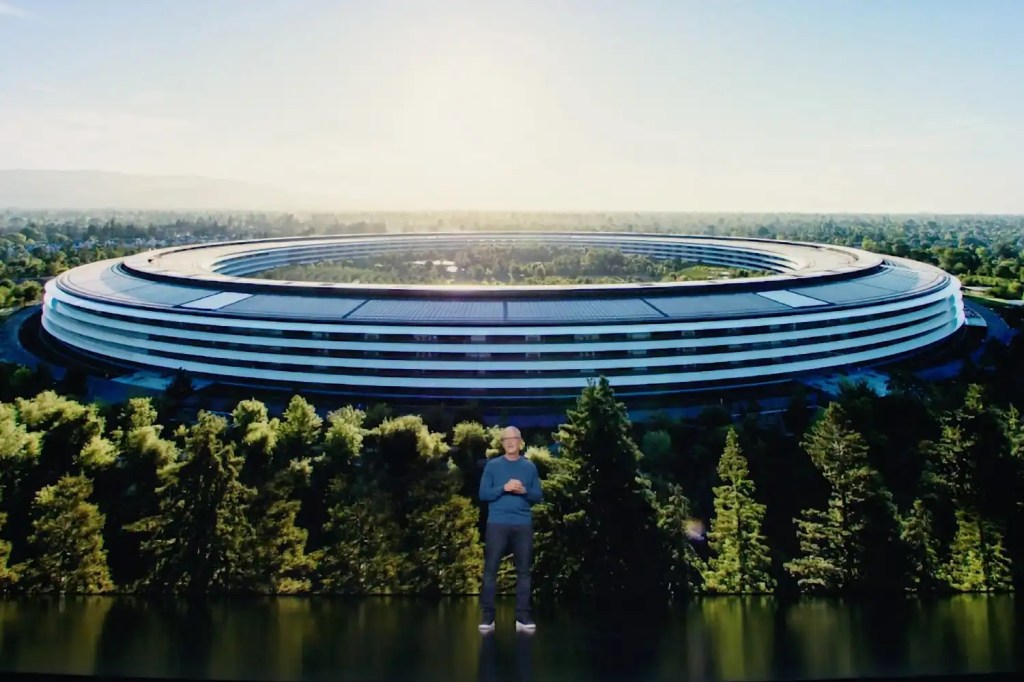
Apple Park Tim Cook AAPL

AAPL is a California-based computer company that became the most successful smartphone company in the world.

AAPL defined by Apple

Here’s how Apple defines itself:

Apple revolutionized personal technology with the introduction of the Macintosh in 1984. Today, Apple leads the world in innovation with iPhone, iPad, Mac, Apple Watch, and Apple TV. Apple’s five software platforms — iOS, iPadOS, macOS, watchOS, and tvOS — provide seamless experiences across all Apple devices and empower people with breakthrough services including the App Store, Apple Music, Apple Pay, and iCloud. Apple’s more than 100,000 employees are dedicated to making the best products on earth, and to leaving the world better than we found it.

Key AAPL history

From Apple I to iMac

Apple was founded in 1976 by Steve Jobs (Steve), Steve Wozniak (Woz), and (briefly) Ronald Wayne as a business partnership: Apple Computer Company. The following year it became Apple Computer, Inc. The company’s first product was the Apple I, a personal computer hand-built by Woz and sold in part-completed kit form. The Apple II and Apple III followed.

The modern Apple as we know it today began in 1983, with the launch of the first personal computer with a graphical user interface, the Lisa. Way too expensive to succeed, it was replaced by the Macintosh in 1984, launched with the single showing of a Ridley Scott commercial during the Super Bowl. The Macintosh transformed the world’s understanding of what a computer was, and would eventually lead to Microsoft adopting the GUI approach.

Steve Jobs and then Apple-CEO John Scully fell out in 1985, when Steve wanted to focus on the Macintosh while Scully wanted to put more attention on the Apple II, which was still selling well. That led to Steve being forced out of the company and going off to form NeXT.

Apple focused on selling Macintosh models at the highest possible margins, but would eventually fall foul of a mix of unsustainable pricing in the face of competition from Windows machines, and an overly complex product lineup. By 1996, the company was in trouble, and in 1997 Steve was brought back, along with the NeXT operating system, which would eventually form the basis of Mac OS X.

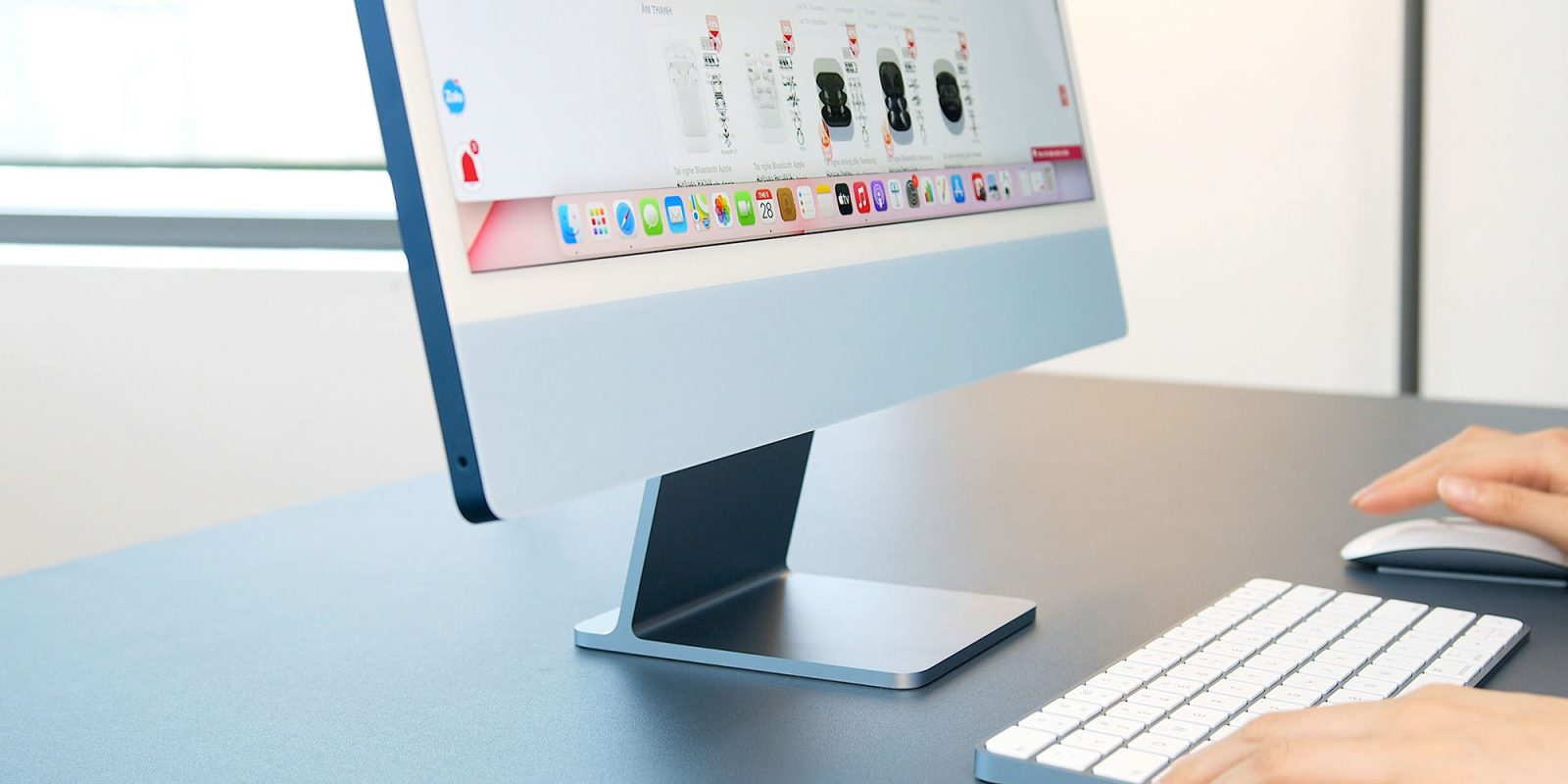
Steve simplified the Mac lineup and had industrial designer Jony Ive work on a whole new look for a consumer desktop Mac, the colorful iMac. The iMac, like the original Macintosh, again changed the world’s understanding of what a computer was, and who should want one.

From Apple Computer, Inc. to Apple, Inc.

In 2001, Apple launched the iPod. Although this wasn’t the first mp3 player, it was massively better than anything on the market at the time, and succeeded in turning a geeky piece of technology into a consumer electronics product with mass-market appeal.

The success of the iPod paved the way into other mobile devices. Apple was working on what would eventually become the iPad, when Steve realized that this was the basis of a smartphone. He diverted the team’s work into this, to launch the iPhone in 2007. The iPad launched later, in 2010.

The iPhone was yet another transformational product. While most other smartphones of the time were clunky devices with a keyboard and stylus, the iPhone was a sleek-looking device operated with a finger, and so simple that no user guide was needed. It was with the launch of the iPhone that Apple Computer, Inc. was renamed to Apple, Inc.

From Intel to Apple Silicon

While the iPhone, iPad, Apple Watch, and more are made with Apple-designed processors, the Mac lineup has historically relied on third-party companies for its CPUs. Over the years, Macs progressed from Motorola 680000 series chips through PowerPC to Intel.

In 2020, Apple began a two-year transition to the final stage in that journey, with Macs too finally getting Apple-designed chips. The first such is the M1 chip, used in the latest Mac mini, MacBook Air, and 13-inch MacBook Pro. Other Apple Silicon Macs followed.

AAPL today

Apple is one of the largest companies in the world. It was the first publicly traded company to hit a trillion-dollar valuation in 2018, $2 trillion in 2020, and $3T in 2022.

The company’s product lineup includes five different Mac families (MacBook Air, MacBook Pro, iMac, Mac Pro, and Mac mini); four iPad ranges (iPad mini, iPad, iPad Air, iPad Pro); four iPhone 12 models (12, 12 mini, 12 Pro, 12 Pro Max); three main Apple Watch models (SE, Series 3, Series 6); as well as other products, including Apple TV, AirPods, and HomePod mini.

In addition to hardware sales, Apple derives a growing proportion of its income from Services, including the App Store, iCloud, Apple Music, and Apple Pay.

Just one word in the Google antitrust ruling was worth $20B a year to Apple

Just one word in the Google antitrust ruling was worth $20B a year to Apple | Close-up photo of a man amending a contract

For more than a year now, there have been debates about whether Google’s payment to Apple to be the default search engine in Safari would be outlawed.

While it had seemed likely this would be the case, what we got was a compromise ruling. It turned out that the difference between Apple earning $20 billion a year and $0 hinged on a single word …

Expand Expanding Close

Apple’s stance on strong encryption gets the support of the FTC in US privacy U-turn

Apple's stance on strong encryption gets the support of the FTC | Liquid-glass style padlock

Apple’s commitment to end-to-end encryption is so strong that it withdrew a key privacy feature from the UK market rather than be forced to compromise it globally. The company also faced pressure on this front from the EU’s Digital Services Act (DSA).

In a surprising twist, the White House came out in support of strong encryption, and the Federal Trade Commission (FTC) is now urging Apple and other tech giants to stand firm on the issue …

Expand Expanding Close

Hackers chained Apple and WhatsApp flaws in ‘advanced spyware campaign’

A few days ago, Apple fixed a vulnerability on iOS and macOS that “may have been exploited in an extremely sophisticated attack against specific targeted individuals.” Now, new details have emerged, and it appears that the hacking campaign also leveraged a now-fixed WhatsApp flaw to target its victims. Here are the details.

Expand Expanding Close

Are you hoping for a live iPhone event on September 9? [Poll]

Tim Cook

To say that Apple’s pre-recorded events are divisive is an understatement. What initially seemed like a pandemic-fueled stopgap has become the company’s standard way to make announcements, even though its competitors have largely moved back to live presentations.

With the upcoming “Awe Dropping” event, Apple has an opportunity to take a new crack at the live event format. Do you think it’ll take it?

Expand Expanding Close

IDC nearly doubles worldwide smartphone forecast for 2025, cites ‘accelerated iOS growth’

iPhone 16 touch screen issues

To say 2025 has been an unpredictable year for the smartphone market would be an understatement. Early in February, IDC had forecast a 2.6% growth, followed by a decrease to just 0.6% in May. Now, the institute has once again adjusted its forecast, thanks in part to “accelerated” iOS growth. Here are the details.

Expand Expanding Close

Eddy Cue wanted Apple to acquire two big companies, but Tim Cook said no

Apple MLS Eddy Cue

A report from The Information yesterday offered a variety of interesting details about Apple’s potential acquisition targets in the artificial intelligence category.

One thing I found particularly fascinating in the story was the tidbit that Eddy Cue, Apple’s Senior Vice President of Services, has regularly pushed for Apple to make big acquisitions, only to be shot down by Apple CEO Tim Cook.

Expand Expanding Close

Why Apple is fighting legal battles in two countries over 13 cents per iPhone

Why Apple is fighting legal battles in two countries over 12 cents per iPhone | A pile of coins on a table

Apple is engaged in legal battles in both the UK and the US over 4G patents used in its mobile devices. The company has applied for permission to appeal a UK verdict which would cost it an additional 13 cents per iPhone.

While this might sound crazy, the company says that very much more is at stake, not just for its own business, but for companies of every size …

Expand Expanding Close

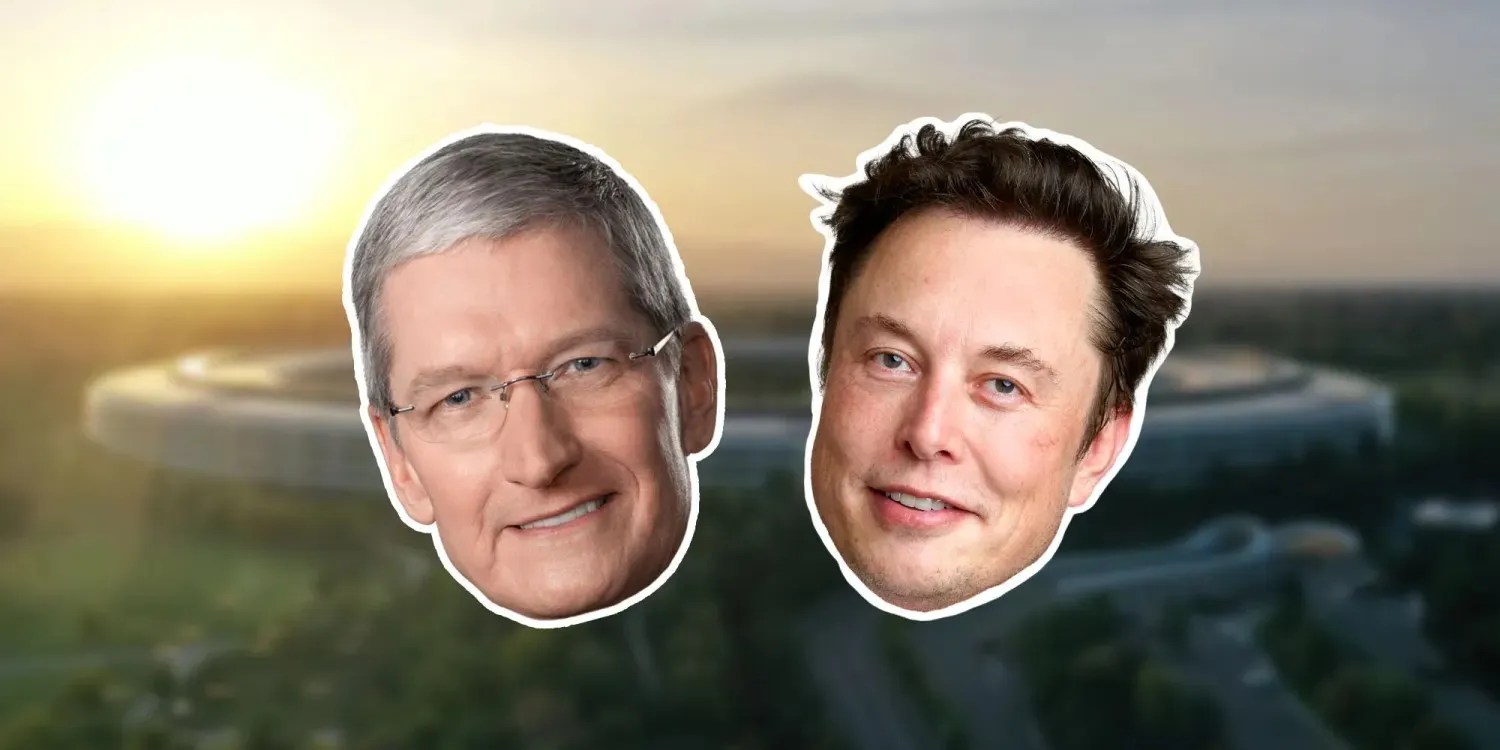
Elon Musk’s xAI sues Apple and OpenAI over Siri partnership, App Store charts

Elon Musk has surprisingly made good on one of his promises. Earlier this month, Musk accused Apple of rigging the App Store rankings and threatened to sue the company for this “unequivocal antitrust violation.”

“Apple is behaving in a manner that makes it impossible for any AI company besides OpenAI to reach #1 in the App Store,” Musk posted at the time.

In a Texas court on Monday, Musk’s xAI officially filed a lawsuit against Apple and OpenAI, accusing the two companies of colluding to prevent competition in the AI industry.

Expand Expanding Close

Here are three unusual Apple product announcements to look forward to this fall

Every fall, almost like clockwork – Apple runs through its course of annual product refreshes. New iPhones, new Apple Watches, new iPads, and new Macs are almost a guarantee over the course of September and October.

This year, though – there are a few uncommon product refreshes that we should be seeing over the next couple of months, for products that often go years without an update.

Expand Expanding Close

Jeff Williams isn’t the last senior level executive exit coming for Apple

Apple Park | AAPL (9to5Mac image)

Who is the next senior level executive planning to leave Apple? Mark Gurman dropped a clue in his Power On newsletter this week.

Responding to a question about Apple’s current succession plan, especially after Jeff Williams’ upcoming retirement, Gurman says there is pretty explicit talk within the company about more senior level departures coming.

Expand Expanding Close