With further rumors of a larger iPad in the works – the latest one Chinese site Pad News claiming that Apple is testing several variants of a 12.9-inch iPad – we thought it would be interesting to gauge the level of interest.
The specifics of this claim fall well into sketchy territory. Pad News suggests a 4K display, which wouldn’t match iPad resolution ratios (though as the current iPad is close to 2K, something close to 4K wouldn’t be impossible). It also suggests a launch date of April – given that Apple switched iPad launch dates from the spring to the fall, switching back again doesn’t seem terribly likely.
The core rumor, however, has been around for quite some time. Several different sizes have been suggested, but 12.9 inches is the one most commonly cited. This idea first emerged back in May, attached to the world’s least likely name, and gained credibility (without the silly name) when reported by the WSJ in July … Expand Expanding Close
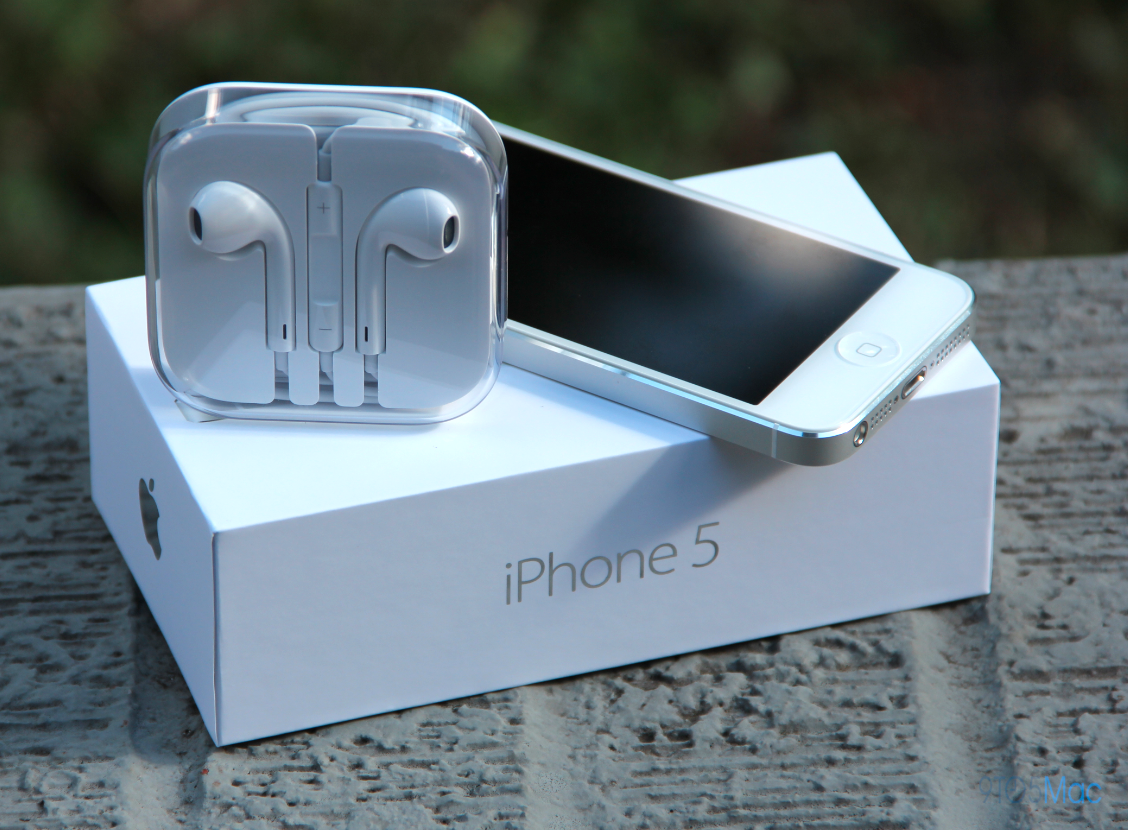
A WSJ piece on Foxconn ramping up production of the iPhone 5s to meet demand provided an interesting glimpse at some of the numbers involved.
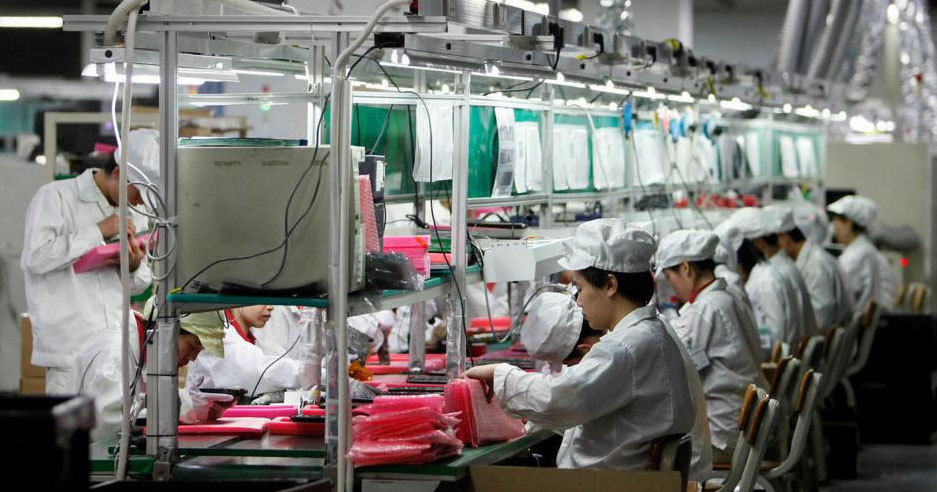
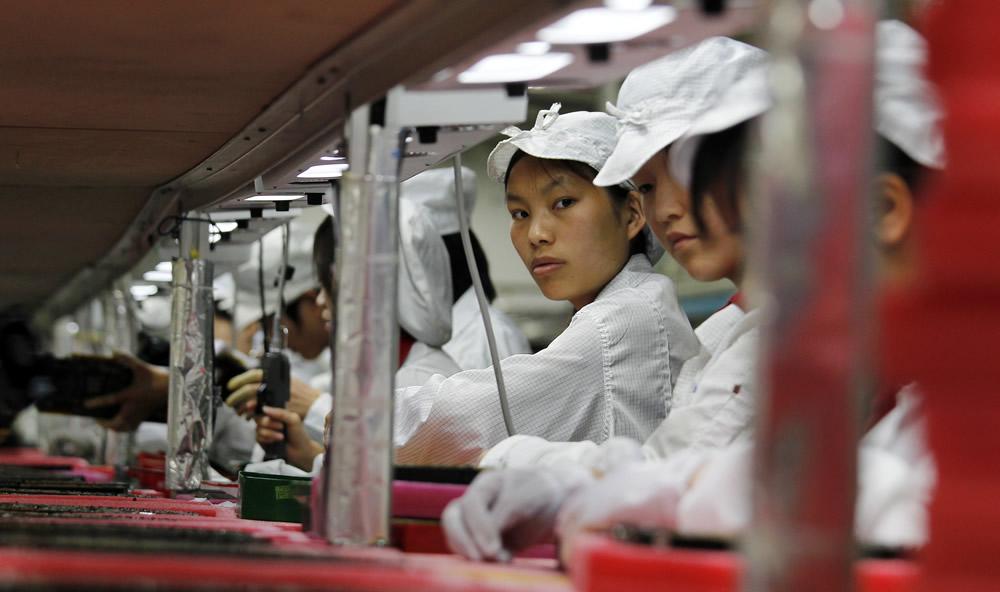
Foxconn operates 100 production lines, which are now operating at maximum capacity 24/7 to turn out 500,000 iPhones 5s handsets per day according to the report. Each iPhone represents the combined work of around 600 people. The unnamed Foxconn source said that this amounted to 100 people more than for the iPhone 5c due to the increased complexity of the high-end phone … Expand Expanding Close
Foxconn is ceasing production of the iPhone 5c at one of its factories in order to boost production of the iPhone 5s, according to sources cited by Digitimes.
Foxconn Electronics (Hon Hai Precision Industry) will stop production of the iPhone 5c at its factory in Zhengzhou, northern China, and shift the capacity to iPhone 5s, according to industry sources.
Digitimes is not the most reliable of sources, but this one gels with other reports suggesting that Apple is cutting back on production of its plastic handset in order to keep up with demand for the iPhone 5s.
The reports can, of course, be viewed as indicating either success for the 5s or failure for the 5c. Given the numbers reported last month, following on from record opening weekend sales, it seems pretty clear that while Apple got its predictions wrong, the reason is good news rather than bad: more people than expected opting for the high-end handset.
One of the many Apple Television concepts out there (image: theverge.com)
Among the less likely of the many rumors surrounding Apple’s long-expected move into full televisions is one reported in Bloomberg today, suggesting that Apple will launch 55- and 65-inch 4K televisions in the final quarter of 2014 with pricing in the $1500 to $2500 range.
Masahiko Ishino, an analyst at Advanced Research Japan Co, claims the displays will be made by LG, the GPUs by Samsung and the frameless glass cover made from Corning Gorilla Glass 3, with Foxconn assembling the products … Expand Expanding Close
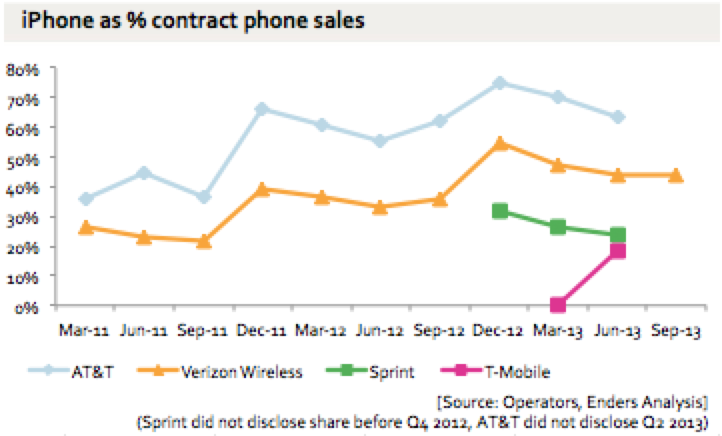
Verizon has just reported their results for the third quarter, with smartphone sales topping 7.6 million units. While the press release does not disclose details about iPhone performance, on Verizon’s conference call, the company announced that iPhones were responsible for just over half of all Verizon’s smartphone activations, compared to about 43% in Q2. It is important to remember the distinction between activations and sales, with activations including passed-down devices to spouses or children as well as the strong iPhone reseller market.
An analyst note from a usually reliable Ming-Chi Kuo (郭明錤) seemingly confirms our expectation that Apple will not announce new iPads on September 10th, but at a separate event later in the year.
The note makes supply chain forecasts suggesting that assembly production of the iPad 5 and iPad Mini 2 will start with low-volume production this month, and enter mass-production in the final quarter. If the tablets were to be announced on September 10th, we would expect them to be much further along the production cycle by now.
As expected, both iPad models are said to use the A7X processor, which should see be a particularly noticeable improvement on the existing A5-based Mini.
Apple appears to be preparing for increased focus on the Chinese market, with more than 200 (mostly) senior job openings appearing on LinkedIn, reports the WSJ. Some of these were added in the past three weeks, many within the last few days. Digitimes reported yesterday on Apple also seeking senior engineers in Taiwan.
With the developed market close to saturation point, the BRIC markets – Brazil, Russia, India and China – are key to Apple’s future expansion. Worldwide, smartphones represent only just over half of the total cellphone market, generating massive potential for future growth.
Apple’s challenge in China is as much a political one as it is marketing-based … Expand Expanding Close
A Foxconn assembly line (photo: digitaltrends.com)
The WSJ reports that authorities in China are investigating claims that two of Apple’s suppliers – Foxconn and UniMicron – are releasing water polluted by heavy metals into local rivers. Expand Expanding Close
Nearly 8 months after going on sale in the U.S. and many other countries in the months following, MacworldBrasil reports that the iPad mini is finally set to go on sale in the country mid next week. The proof comes from ads posted on two retailer websites, including FNAC and Saraiva, who both plan to start selling the device on June 25th. Back when the device first launched it was rumored that production was taking place at Foxconn’s Brazil plant, but there’s no word yet if the devices arriving in the country next week will be made in Brazil. There’s also no mention of pricing, which is often much higher compared to the U.S. for iOS devices.
The Wall Street Journal takes a look at Apple’s continuous shifts and expansion of its Asia-based product suppliers. For several years, Foxconn has been known as the de facto Apple manufacturing partner for iPhones, iPads, iPods and Macs. However, over the past few years, Apple has begun manufacturing certain products at Tawain-based Pegatron. Today’s report positions Apple’s move to diversify its production manufacturing partners as one to reduce risk and to provide greater supply chain balance.
But under current Chief Executive Tim Cook, Apple is dividing its weight more equally with a relatively unknown supplier, giving the technology giant a greater supply-chain balance.
Notably, the profile asserts that Apple pushed this diversification due to issues with iPhone 5 production last year:
People familiar with the matter point to strategic reasons for the shift: risk diversification after Foxconn’s manufacturing glitches last year with the iPhone 5 that resulted in scratches on the metal casings, and Apple’s decision to expand its product lines amid growing competition from Samsung and others.
The report also profiles Apple and Foxconn each becoming difficult to handle for the other partner:
Foxconn, in its growing heft as the world’s largest electronics contract company, was also getting more difficult for Apple to control, with incidents such as changing component sourcing without notifying Apple, people familiar with the matter said. At the same time, Foxconn became frustrated with the growing complexity of Apple products, such as the iPhone 5, which is difficult to make in the volumes Apple needed.
The report goes on to profile the differences in relationships between Steve Jobs and Tim Cook with Foxconn’s executive leadership. Additionally, the report seems to claim that the much-rumored low-cost iPhone will be built by Pegatron, but it is not clear if this comes from independent sources or an analyst cited near the end of the report.
During this morning’s Senate hearing regarding Apple’s tax strategies, Apple CEO Tim Cook provided opening statements regarding Apple’s perspective on the issues. Notably, during a time in which Cook was discussing Apple’s United States-based operations and strategies, the Apple CEO said that Apple’s upcoming Made-in-the-USA Mac line will be assembled in Texas…
China Business (via The Register) claims that Apple has returned between 5m and 8m iPhones due to quality issues. It’s not known which handsets are affected.
Details of just what went wrong are sketchy, as the source for this tale is an anonymous Foxconn staffer chatting to China Business. That report, after being forced through a couple of translation engines, suggests Apple sent back at least five million iPhones, and maybe as many as eight million, “due to appearance of substandard or dysfunctional problems.” Expand Expanding Close
Apple has updated its official China website homepage to offer its respect and sympathy following the disastrous earthquake that has affected the country over the past few days.
The acknowledgement present on Apple’s site reads as follows:
Our deepest condolences to those who were taken away by the Sichuan Yaan earthquake, and respect to all the rescuers. May those who have passed away rest in peace, and may the survivors stay strong.
The company has also offered a statement that pledges cash donations and new Apple devices to help schools that have been affected:
In this difficult time our hearts are with the Sichuan earthquake victims. In addition to cash donations to help the victims ride out the storm, we will also commit to donating brand new Apple equipment to some of the schools in the affected region, and the local Apple staff will be on standby to provide support.
Apple has reportedly pledged 50 million Yuan in total. (Thanks to Richard Lai from Engadget for the translations.)
Bloomberg reports that Apple has asked Foxconn to take on additional staff at its Zhengzhou factory, where the only Apple product made is the iPhone – suggesting that production may be ramping up for the iPhone 5S and low-cost iPhone launches … Expand Expanding Close
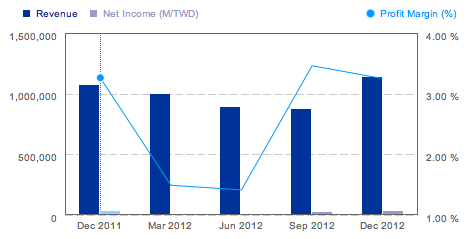
Hon Hai Precision Industry Co, better known by its parent company name Foxconn, posted record quarterly profits in the final quarter of last year, citing increased production and improved efficiency of iPhones and iPads, as reported by Bloomberg.
Net income rose 5.6 percent to $1.2 billion, ahead of analyst expectations, but may face more challenging times ahead … Expand Expanding Close
It looks like another regional carrier is set to receive the iPhone 5. While it has yet to post pricing or exact availability dates, Utah-based Strata Networks recently started advertising that the device is “coming soon” to its network. In November, Strata officially rolled out its LTE network, the first in the Uintah Basin covering several counties in Utah, and the carrier also has local coverage in Idaho, Utah, and Colorado. A map of the carrier’s LTE coverage in Utah is below, while a full map of nationwide coverage can be found here.
Many other regional carriers have been known to offer the device at a discounted price compared to Apple and the major carriers with the iPhone 5 starting at $149 on a two-year contract through many. We’ll update when Strata confirms pricing and availability.
Update: While it’s hard to read too much into these reports, Foxconn told The Wall Street Journal the freeze on hiring is a result of “a high employee return rate following the Lunar New Year holiday.”
According to the report from Financial Times, Apple’s major assembly partner Foxconn has halted new hiring at its facilities due to a slow down in production for the iPhone 5:
The suspension in hiring by China’s largest private sector employer and the biggest assembler of Apple products, is the first such countrywide move since the 2009 downturn, prompted by the financial crisis. It underscores the weakening demand for some Apple products, which has put pressure on the US company’s battered share price.
Foxconn confirmed it is not currently hiring in its plants located in mainland China, and FT reported the company’s employees were informed that hiring would stop until at least the end of March “in response to reduced orders for the iPhone 5.” While the iPhone 5 doesn’t seem to be experiencing a slow down, according to the latest numbers from Strategy Analytics, the March time frame would line up nicely with rumors of iPhone 5S production beginning in March. Many analysts are calling for a June or July launch of the next-generation iPhone, and Apple could begin initial production as early as next month if true. The decreased production at Foxconn is likely thanks to the expected falloff in new sales in the months following the busy holiday season. Less likely is speculation that Apple could be switching manufacturers.
Recruiters in China told FT that Foxconn has stopped hiring specifically for the iPhone and iPad production lines in many of its factories:
Update: These are likely an iPhone 5 clone (with better vibrating motor). Note the smaller 1150 mAh battery and the (d’oh) SD card slot.
The images above allegedly show a Foxconn assembly line in addition to some up close spy shots of what could be Apple’s next generation iPhone 5S. The images were originally posted by Chinese CNET/CBSi-owned tech site sjbbs.zol.com and later reposted by GizChina. We see a front panel largely resembling the currently shipping iPhone 5 in the images and some rather nice shots of the devices’ components, providing clues that this is indeed the next-gen iPhone and not the iPhone 5.
As noted by German language website PCgameshardware.de, the iPhone shown in the images above appears to have a vibrating motor that differs from the iPhone 5. Apple used a linear oscillating vibrator with the iPhone 4S, as pictured in this teardown image. iFixit noted the change was a “head-scratcher”:
Unlike the iPhone 4S, which used a linear-oscillating vibrator, Apple has gone back to a rotational motor with a counterweight.We praised Apple in the past for going with the quieter and less annoying linear oscillating vibrator, but now we’re scratching our heads as to why they went back.
While it wasn’t exactly clear as to why, Apple switched back to the sometimes louder, rotational motor that utilizes a counterweight for the iPhone 5. The alleged images of the iPhone 5S show that Apple appears to be going to a linear vibrating motor design (which also makes these spy shots a bit more believable than otherwise).
iPhone 5 (iFixit)
These images
iPhone 4S
The post also provides a rare shot of workers relaxing on Foxconn’s assembly line: Expand Expanding Close
Current ordering options for Indonesian customers on www.apple.com/id
Apple plans to create an online retail presence in Indonesia, according to a report from NZWeek (via TNW), as well as open its first retail location in the country with a new store in the capital city, Jakarta. Confirmation of the investment comes from the country’s Investment Coordinating Board (BKPM). It has approved Apple’s application to open up shop in the country, and the report claimed Apple is looking to invest $2 million to $3 million USD in the capital city of Jakarta to open its first brick-and-mortar retail location.
As noted in the report, Foxconn is investing $10 billion USD to open a new hardware manufacturing plant in Indonesia with construction slated to kick off this year. TNW pointed out that Apple actually sold products in Indonesia from 2008 to 2010 before stopping due to difficulties with shipping out of Singapore.
In January 2012, The New York Times published a lengthy report covering the problems with Foxconn’s plants in China. The piece caused uproar, and it pushed Apple to perform its own audit in the factories that make its products and work to address the issues the audit found. Close to a year after publishing its first report, the New York Times has followed up with a second piece that found working conditions are getting better. One of the first steps was in March, when top Apple executives met with Foxconn executives to reduce worker hours and increase wages in 2013. This is said to create a ripple effect that will benefit the entire manufacturing industry.
Past wages and hours, changes are also coming about within the plant. According to the New York Times, new safety measures like automatic shut-off devices and protective foam are now in place to protect workers when doing their difficult jobs of assembling various Apple products. The piece told a story of one worker receiving a wooden, sturdy chair more comfortable on her back than the green plastic stool she once used. Apple also tripled the staff at its California headquarters to ensure safe working conditions across the world.
The changes also extend to California, where Apple is based. Apple, the electronics industry’s behemoth, in the last year has tripled its corporate social responsibility staff, has re-evaluated how it works with manufacturers, has asked competitors to help curb excessive overtime in China and has reached out to advocacy groups it once rebuffed.
Earlier this year, CEO Tim Cook spoke a lot about worker safety while changes were underway. “We insist that our manufacturing partners follow Apple’s strict code of conduct, and to make sure they do, the Supplier Responsibility team led more than 200 audits at facilities throughout our supply chain last year,” said Cook in an email. “These audits make sure that working conditions are safe and just, and if a manufacturer won’t live up to our standards, we stop working with them.” Subsequently, Apple issued a statement to the New York Times this week on the recent changes:
Last week, a report from The Wall Street Journal claimed Apple’s much rumored HDTV set is now in the “early stages of testing” with partners Hon Hai Precision and Sharp. Today, we get more details surrounding the rumored product from the Taiwan national news agency’s English language Focus Taiwan. According to the report, citing sources close to Hon Hai Precision Industry Co., the supplier is testing Apple television designs, but the possibility of the product shipping in 2013 is “unlikely”:
Nevertheless, the source said it is unlikely that shipments of the appliances will begin as soon as the end of next year.
While the report from WSJ claimed Sharp was involved in the initial testing of the product with Hon Hai, Focus Taiwan’s source claimed the possibility of Sharp displaying panels for the product is “not high”:
Asked whether the new Apple TV will use display panels produced by Japan’s Sharp Corp., the source said the possibility is not high.
The source also claimed that Apple is looking at displays ranging from 46 inches to 55 inches, meaning the company likely wouldn’t rely on Sharp’s plants best suited for production of 60+ inch panels: Expand Expanding Close
Rumors have been in the air for several months that claim Amazon will compete in the handset space with its own offering, much like it did with its Kindle Fire line of tablets. According to a new report from the Taiwan Economic News, the Internet retail giant has selected the infamous Foxconn to manufacture the handset. Additionally, Amazon is said to have ordered 5 million units and will launch the device at $100 to $200 sometime in the second quarter or third quarter of 2013.
The Kindle Fire line of tablets, which has software based off Android with many custom additions (and even more subtractions), has done wonders for Android’s tablet marketshare, helping the platform close the seemingly insurmountable gap with the iPad. Amazon was the first to offer a tablet at such a low cost, selling in seemingly big numbers. However, no specific figures have ever been given. Many saw the $199 Kindle Fire as a cheaper alternative to the $499 iPad, but things may change this holiday season with the iPad mini now available at $329.
With its large online marketplace and bevy of apps on its Amazon Appstore, we wouldn’t put it past the company to be a serious competitor in the handset game—at least for the Android devotees and the relatively small footprint of countries where Amazon operates/offers content. (via Engadget)
The Wall Street Journal is out with a report today, citing sources close to Apple’s suppliers, on the company’s development of its much-rumored HDTV set. While the majority of the story is what we’ve heard from both analysts and past reports, according to WSJ, Apple is currently “still in the early stage of testing” but also in the process of evaluating several TV set designs with component suppliers. One of those suppliers is apparently Sharp:
Officials at some of Apple’s suppliers, who declined to be named, said the Cupertino, Calif.-based company has been working on testing a few designs for a large-screen high-resolution TV… Two people said Hon Hai Precision Industry Co., 2317.TW +0.63% which assembles the iPhone and iPad, has been collaborating with Japan’s Sharp Corp.6753.TO +7.80% on the design of the new television.
While some might speculate this means Apple is closer to bringing a TV set product to market, the WSJ noted in the same report that Apple “has been testing various TV prototypes for a number of years.” WSJ’s sources added that Apple’s TV set efforts are not considered a “formal project yet.”
Apple, which works with suppliers to test new designs all the time, has been testing various TV prototypes for a number of years, according to people familiar with the efforts. The company generally tests and develops products internally before doing so with outside suppliers.
From iFixit’s ritual iMac dismemberment yesterday, we learn that the particular 21.5-inch iMac they bought says it was “Assembled in USA”. The moniker isn’t new—we’ve seen it since at least a few iMac models back on the packaging. But as far as we can tell, “Assembled in USA” wasn’t etched in the actual machine’s aluminum, leading people to believe that the iMacs that were shipped were “refurbished in the USA”. However, this forum shows that some were actually assembled and sold new with the “Assembled in USA” label (below—27-inch iMac, previous gen).
Regardless of previous endeavors, Apple is shipping new iMacs “Assembled in USA”. PED at Fortune found one. Jay Yarrow at BI found one, too. This isn’t an isolated incident. We also heard that other new iMacs say “Assembled in China”, as you’d expect.
Still, it makes for an interesting question: Is Apple building some of its iMacs in the United States? Is that percentage growing since it seems much of the first line of iMacs are coming with USA labels?
The “Assembled in USA” label doesn’t just mean that foreign parts screwed together in the U.S. either. The U.S. Federal Trade Commission assumes that a “substantial transformation” must happen in the U.S. for the label to be used.
Specifically, the FTC states that the label “Assembled in the USA” should be the following:
A product that includes foreign components may be called “Assembled in USA” without qualification when its principal assembly takes place in the U.S. and the assembly is substantial. For the “assembly” claim to be valid, the product’s last “substantial transformation” also should have occurred in the U.S. That’s why a “screwdriver” assembly in the U.S. of foreign components into a final product at the end of the manufacturing process doesn’t usually qualify for the “Assembled in USA” claim.
Example: A lawn mower, composed of all domestic parts except for the cable sheathing, flywheel, wheel rims and air filter (15 to 20 percent foreign content) is assembled in the U.S. An “Assembled in USA” claim is appropriate.
Here’s where it gets more interesting. The FTC gives the specific example of a computer manufacture:
Example:All the major components of a computer, including the motherboard and hard drive, are imported. The computer’s components then are put together in a simple “screwdriver” operation in the U.S., are not substantially transformed under the Customs Standard, and must be marked with a foreign country of origin.An “Assembled in U.S.” claim without further qualification is deceptive.
That means one of two things: Either Apple or its contractors have some sort of significant manufacturing operations in the U.S., or it is being deceptive in its marketing (something that sadly, isn’t out of character)… Expand Expanding Close