Intel

See All Stories

Former Apple designer reveals Apple passed on a curved-glass iPhone due to cost

Site default logo image

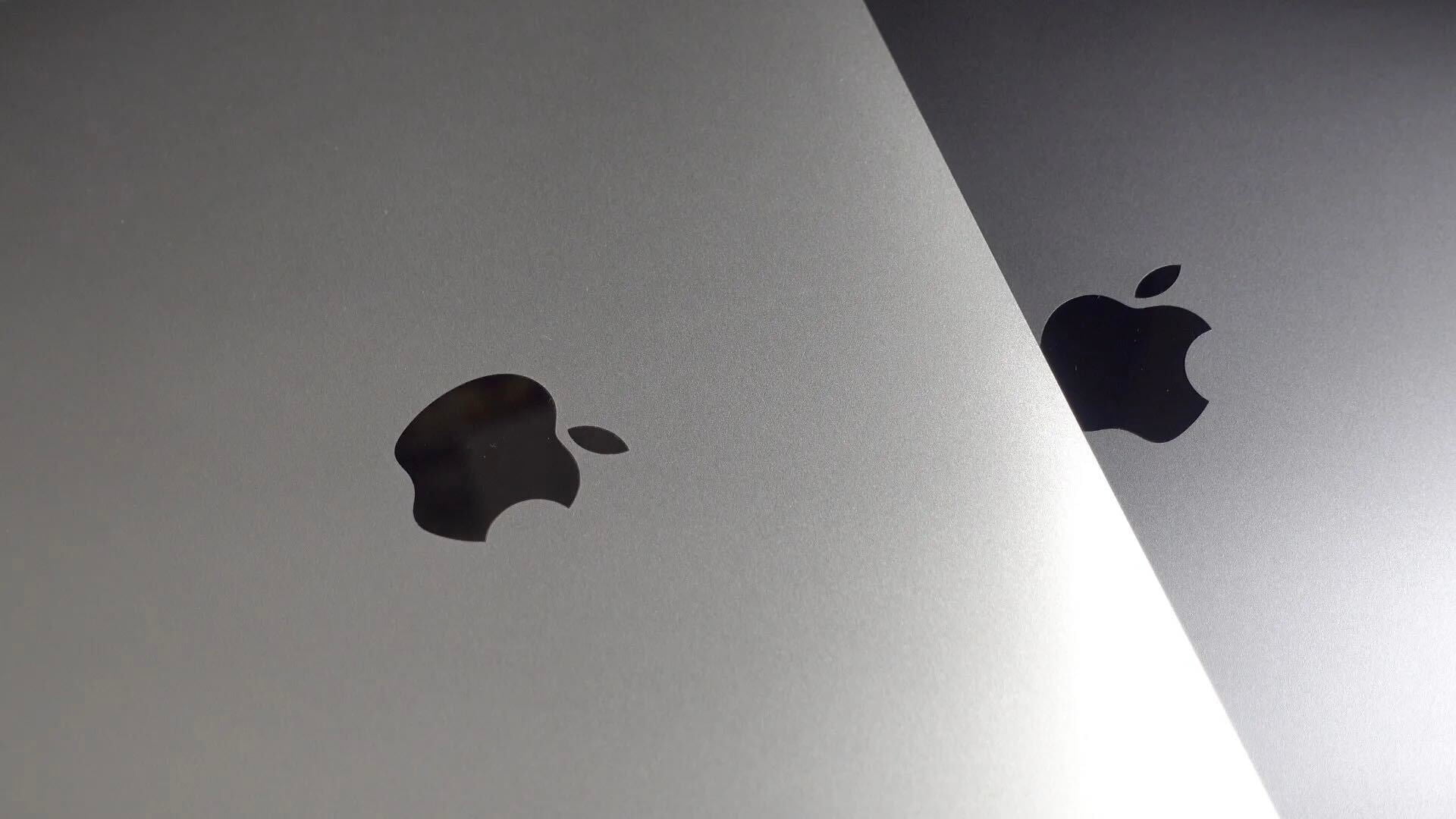
We have been getting some interesting bits and pieces from the Apple vs. Samsung trial this week, and most, of which, are related to early iPhone prototypes referenced in pre trial briefs by Samsung’s lawyers who alleged Apple was inspired by Sony products when creating its initial iPhone concepts. We get some more insight on Apple’s original iPhone plans today thanks to a deposition of former Apple designer Douglas Satzger, as discovered by Network World in recent court filings. Satzger, current VP of Industrial Design at Intel, held various roles at Apple from 1996 to 2008 including Industrial Design Creative Lead and Industrial Design Manager. In the deposition, Satzger claimed Apple had “strong interest in doing two pieces of shaped glass,” while referencing the 0355 model prototype pictured above.

He continued to explain how Apple ultimately chose not to utilize curved glass mainly due to cost:

Expand
Expanding
Close

Site default logo image

Gartner report shows PCs have peaked and may begin the long road to obscurity

We are starting to see the “Cars and Trucks” model unfold as PC sales are starting to slip dramatically.

Among the top 5 vendors in the U.S. PC market, all but Apple experienced a decline in shipments according to a Gartner report late this evening. This is not your average “Apple beat the PC industry every quarter for the past 5 years.” It is a dramatic fall. Apple pulled to within 500,000 units of Dell from double that a year ago.

A few notables: 
Expand
Expanding
Close

iOS 6 code points to integration of Apple Maps on Intel-based Macs

Site default logo image

Since Apple unveiled its new in-house Maps app for iOS 6, we have discovered bits and pieces of what it has planned for the final release this fall. Apple already showed off Yelp integration, turn-by-turn navigation, and the 3D flyover mode, and it appears to be utilizing a new Avenir typeface. Today, Techpp posted a code dump from the iOS 6 maps app courtesy of developer Cody Cooper who found some interesting evidence of potential Maps integration with OS X:

Our developer friend, Cody Cooper has now stumbled upon an interesting code dump in iOS 6 maps application which hints at the possibility of Apple Maps coming to Macs in the near future.

During his routine investigation of Maps app, Cody found some interesting bits in the file altitude_manifest.xml

In this XML file, there is a reference to a set of Intel based graphics chipsets for which certain features like Shading are disabled.

While this is not solid proof that Apple is working on a full-blown Maps app for Mac, it could hint at possible integration between core apps and features in Mountain Lion and Maps on iOS. For example, location features in iPhoto could integrate with iOS Maps. As noted in the report, the code refers to shading being disabled for older Intel chipsets, which Cooper guessed could likely not support the app’s shading features. We will do some digging, and then update you if we discover anything new. The public release of Mountain Lion is scheduled for this month.
Expand
Expanding
Close

WWDC: Apple unveils the refreshed MacBook Air lineup, shipping today

Site default logo image

Apple just unveiled a refreshed MacBook Air lineup while on stage at its Worldwide Developers Conference keynote. Much of the information matches what we previously revealed: the lineup of refreshed Airs will receive Ivy Bridge processors up to the 2.0GHz dual core i7, USB 3.0, up to 8GB of RAM, and “60 percent faster graphics” with the Intel HD Graphics 4000. The new MacBook Airs ship starting today.

The new 11-inch MacBook Air: There will be two variants of the 11-inch Airs. Both will sport a 1.7GHz dual-core i5 and 4GB of RAM. The $999 entry model will get you 64GB of storage, but an extra $100 will upgrade you to the 125GB option. Aside from this, the two models appear to be identical.

The new 13-inch MacBook Air: The new 13-inch MacBook Air will start at the same $1,199 price point and come with a 1.8GHz dual-core i5, 4GB of RAM, and 128GB of onboard storage. The $1,499 price tag will get you the 265GB storage option.

Stay tuned to our live blog for the latest updates.

Matrox goes back to the future with DS-1 Thunderbolt Dock—USB 3.0, DVI, GigE for $249

Site default logo image

.

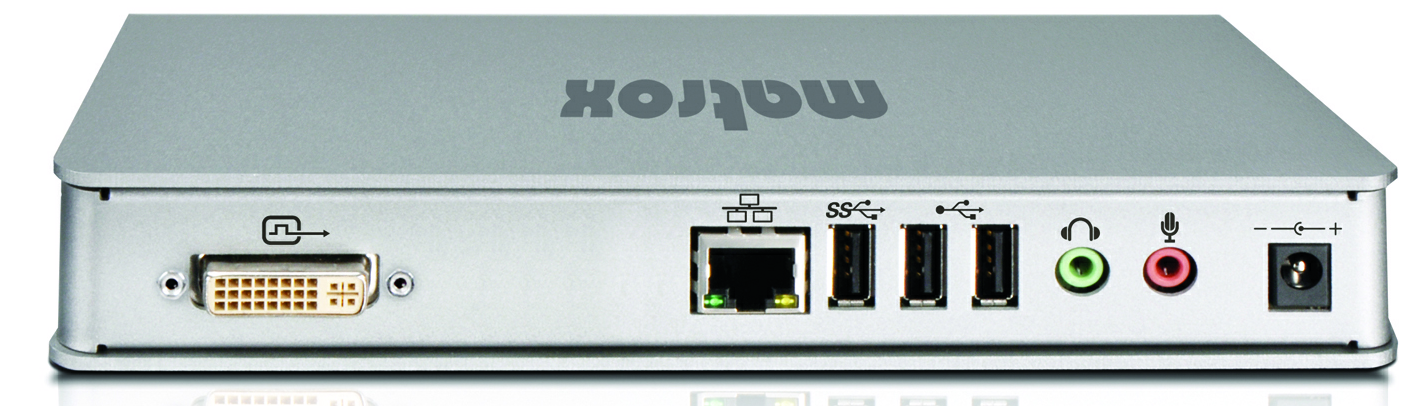
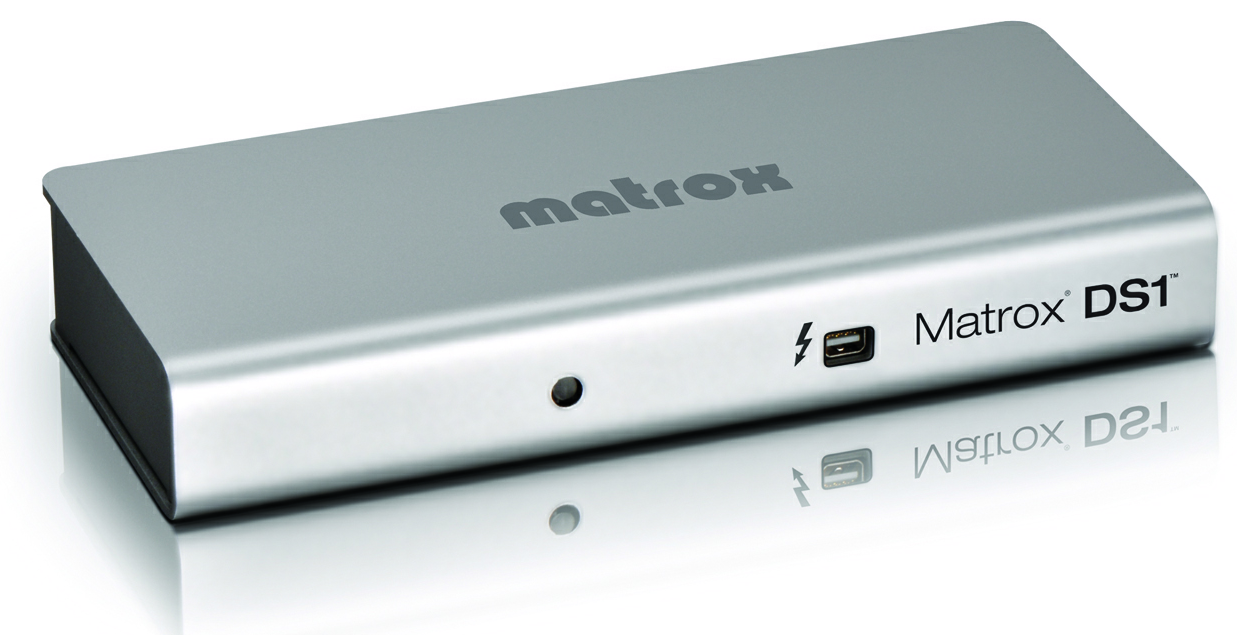
Do you remember all of those ports you used to see on Macs? DVI, Gig Ethernet (har), and separate analog stereo for in and out? Matrox, a company that used to make mad graphics cards and other video devices, is coming to DubDub with a new $249 piece of kit called the “DS-1.” This box brings you all of those old school ports and even throws in a “superspeed” USB 3.0 port, so you can match the speed of the new MacBooks.

Matrox makes a bunch of other highly rated, high-end Thunderbolt breakout boxes that retail for much more. If you are looking for a (relatively) cheap Thunderbolt dock to hide away from sight and hook up to an old DVI monitor, this may be a good pick up. We should have a review unit to play with next week.

The press release follows:
Expand
Expanding
Close

Site default logo image

Hackintosh Ivy Bridge vs. Sandy Bridge benchmarked, small speed gains but significant power efficiency detailed [Video]

[youtube=http://www.youtube.com/watch?feature=player_embedded&v=oHzLPrXB8Wg#!]

With Apple’s upcoming Mac lineup to include the much-rumored Ivy Bridge upgrade, we get a look today at what the new CPUs might be cable of, courtesy of a comparison to Sandy Bridge, running on a Hackintosh. According to Insanely Great Mac:

How the new Ivy Bridge CPUs look to match up to Intel’s previous generation Sandy Bridge platform. Benchmarks include both stock and over clocked Core i7 3770K and Core i7 2600K. Plus a look at how the new chips may affect the next round of Mac upgrades.

Site default logo image

WSJ: Analysts now agree we’re going to see new Retina Macs in June

A newly redesigned 15-inch MacBook Pro was all but rumor until we reported earlier this month that Apple indeed has a slimmed down, all-new MacBook Pro sporting a Retina display, Ivy Bridge, and speedy USB 3. We followed that up with a report revealing Apple’s new MacBook Airs and iMacs will both likely include super-high resolution Retina displays. At the time, we reported Apple’s WWDC in June would be expected for at least the unveiling of the new slim MacBook Pro; although, a gradual roll out of Retina iMacs and Airs following the Pros would not be much of a surprise. Apple typically rolls out new Mac features such as higher-res displays gradually.

Following those reports, The Wall Street Journal published a story today quoting analysts who now all seem to agree that we will see upgraded Macs this summer. Ben Reitzes of Barclays Capital claimed the new Retina Mac lineup would debut at WWDC in June:

Reitzes said it is likely the Mac line will feature the retina-display technology used in the iPad, as well as the new Ivy Bridge quad-core processors from Intel Corp. (INTC) He also estimates that Apple’s new operating-system upgrade, called Mountain Lion, and the new MacBook Airs should be on the market before the first Ultrabook laptops with Microsoft Corp.’s (MSFT) Windows 8 operating system hit the shelves in the fall… “We believe recent data reflect a pause ahead of new products, which we believe will be released this quarter in June,” according to Reitzes, who has an overweight rating and $750 target price on Apple’s stock.

Site default logo image

Goldman exec caught on tape dishing insider information about Apple

A Goldman Sachs executive apparently dabbled in a bit of insider trading when he allegedly discussed non-public information about Apple Inc., to a prominent hedge fund manager during a federal wiretap investigation.

David Loeb, who is head of Asia equity sales for Goldman Sachs Group Inc., in New York, was supposedly caught on a U.S. wiretap providing inside information on Apple Inc., Intel Corp., and Hewlett-Packard Co., to Raj Rajaratnam, the founder of Galleon Group, a New York-based hedge fund management firm. Rajaratnam is now serving an 11-year prison sentence for insider trading.

Today’s wiretap tidbit emerged after Gary Naftalis, a lawyer for Rajat Kumar Gupta, told a judge about the tapes’ existence. Gupta is an ex-Goldman Sachs director arrested in late 2011 by the FBI on insider trading charges derived from the Raj Rajaratnam Galleon Group case, and he is currently embroiled in an ongoing criminal trial. Gupta adamantly denies any misconduct.

According to Bloomberg (via Crain’s New York):

  • ‘He’s on a tape giving out information’ about those companies, Mr. Naftalis told U.S. District Judge Jed Rakoff outside the presence of the jury.
  • Mr. Naftalis told the judge that prosecutors were withholding exculpatory evidence he said could help his client.
  • […] Assistant U.S. Attorney Reed Brodsky told Judge Rakoff that Mr. Loeb “provided Intel, Apple and Hewlett Packard information to Mr. Rajaratnam.” It’s the first time the government has publicly named Mr. Loeb and confirmed that the U.S. has evidence that he gave information about Apple, Intel and Hewlett-Packard to Mr. Rajaratnam.
  • “There’s none that Mr. Loeb had access to material, nonpublic information about Goldman’s earnings,” Mr. Brodsky said.

Loeb has not been formally accused of any crime.


Expand
Expanding
Close

Site default logo image

Intel plans to make chips Apple ‘can’t ignore,’ for iOS devices, says CEO [Video]

[youtube=http://www.youtube.com/watch?v=gV8Nhh6l_20]

Intel’s CEO Paul Otellini wants to make his company’s silicon “so compelling” that Apple will use it in iOS devices.

The chief made these comments during a Q&A session at Intel’s annual investor day in Santa Clara, Calif., Thursday. Otellini was frank when discussing Intel’s potential to manufacture chips that Apple cannot ignore (video clip above):

“Our job is to ensure our silicon is so compelling in terms of running the Mac better or being a better iPad device, such that as they [Apple] make those decisions they can’t ignore us.”

The full story is at Forbes, or watch more Intel 2012 Investor Meeting webcasts [here].


Expand
Expanding
Close

Ivy Bridge processors and motherboards hit store shelves, Hackintosh compatible with patch

Site default logo image

Last night, major retailers across the United States began offering Intel Ivy Bridge processors along with Ivy Bridge-optimized Intel Z77 motherboards (Sandy Bridge H61, H67 and z68 MoBos/Chipsets are still Ivy compatible). You can even find significant discounts ($50/off at Amazon above) already.

As TonyMacx86 notes, a kernel patch is necessary to build a Hackintosh with Ivy Bridge currently. That has not stopped some savvy Hackintoshers from getting MacOS up and running (and benchmarked). However, Apple has not shipped a native OS kernel compatible with Ivy Bridge, which makes the patched kernel less desirable than a vanilla kernel that supports Ivy Bridge.

It is not certain if Mac OS 10.7.4 is Ivy compatible (commenters—correct me, if I am wrong).

With Ivy Bridge processors now on store shelves, it would seem that there are not any external barriers to Apple releasing new Ivy Bridge-powered systems.


Expand
Expanding
Close

Site default logo image

Ivy Bridge tested, significantly faster and more power efficient

.

Laptop Mag’s Michael A. Prospero put Intel’s upcoming Ivy Bridge through a battery of Benchmark tests and revealed the processor is certainly robust at a “mere” 22 nanometers:

It’s not a huge leap, but the performance gains we saw in our Ivy Bridge test system–with comparable battery life–makes this a strong follow-up to the previous generation of Intel Core processors. We’re really looking forward to testng slimmer and sleeker Ultrabooks with Intel’s powerful third-generation Core chip inside.

Check out the full breakdown here.  Other Ivy Bridge reviews AnandTechBit-TechTechSpotTech ReportHot Hardware

.


Expand
Expanding
Close

Intel officially launches 22nm Ivy Bridge processors, will likely add improved A/V, USB 3.0, more to future Macs

Site default logo image

After months of talking about its features, Intel officially launches its new Ivy Bridge processor today. As we previously reported, this processor is undoubtedly headed to the next line of Macs, and it will help provide some significant feature updates. The processor is a 22-nanometer 3D transistor chip that will be more efficient than the bigger Sandy Bridge processors it replaces. It is initially available in 13 quad-core models in both the i5 and i7 versions. According to Intel, lower-end i3 and i5 models will launch later this spring.

One big aspect to note is that the Ivy Bridge also features on-chip USB 3.0 – a technology Apple is long-rumored to adopt. While may Apple not choose to take that route, the likelihood of it using the now built-in USB 3.0 tech has grown exponentially.

Intel’s Vice President and General Manager of the PC Client Group Kirk Skaugen told the crowd at the Intel Developer Forum earlier this month that the Ivy Bridge Processor is built for Retina display computers, “if OEMs choose to use it.” This is especially interesting, because Apple is rumored to include a Retina-like display thanks to a slue of hints in the developer preview of Mountain Lion. Retina would be a game changer on the displays of Apple’s Pro/Air. Intel’s new 4000 chipset supports up to 4K resolutions natively, and it supports improved audio and security functions that Apple may or may not choose to take advantage of.

With the official launch of the Ivy Bridge processor, the launch of new Macs does not seem to be that far off. The new processor will most likely be found throughout the Mac line, including the MacBook Air, iMac, Mini, and MacBook Pro.


Expand
Expanding
Close

Site default logo image

Judge orders Apple, Google to face ‘no-poach’ lawsuit

Reuters reported that a judge rejected Apple and Google’s bid last night to have an antitrust lawsuit dismissed. The lawsuit claimed the companies illegally entered “no-poach” agreements in an effort to stop competitors from stealing talent:

District Judge Lucy Koh in San Jose, California, rejected the companies’ bid to dismiss claims brought under the Sherman Act and California state law, in a decision released Wednesday night. […] The proposed class action lawsuit was brought by five software engineers, who accused the companies of conspiring to depress employee pay by eliminating competition for skilled labor.

Other defendants in the case included Intel, Adobe Systems, Intuit Walt Disney Co’s Pixar, and Lucasfilm.

This Aside is cross-posted at 9to5Google.

(Image via Zoknowsgaming)


Expand
Expanding
Close

Poll: Are you waiting for the new Ivy Bridge models to get a Mac?

Site default logo image

Like some of you, I am limping by on my 2010 MacBook Air, but I have been anxiously waiting for this Ivy Bridge lineup of MacBooks to get released before buying a new Mac. As Walt Mossberg said, it is a good idea to wait until the new Apple products come out to upgrade, but it is starting to feel like forever (I know—it has only been a few months).

Are you waiting for Ivy Bridge before buying a new Mac?

(Image via Reddit)


Expand
Expanding
Close

Intel VP: Ivy Bridge processor is built for ‘Retina display’ computers

Site default logo image

At the Intel Developer Forum that took place yesterday, Intel’s Vice President and General Manager of the PC Client Group Kirk Skaugen revealed (14:30 mark) that Intel’s upcoming Ivy Bridge Processor is built for Retina display computers, “if OEMs choose to use it.”

“Retina display” is a marketing term coined by Apple to describe a screen where one cannot discern pixels at an average usage distance with 20/20 vision. It is curious that Intel’s VP used an Apple term to describe high-density computer displays for the broader market.

Apple is set to use Intel’s Ivy Bridge processor in its next line Macs, making it an opportune time to introduce its Retina display technology into the Mac line. The Ivy Bridge processor, without help from discrete graphics processors, can power 2560-by-1600 displays (as Skaugen said), which is four times the current resolution found in the 13-inch MacBook Pro. That would look pretty good on 13-inch displays of Apple’s Pro/Air.

Apple’s bigger, high-end notebooks have typically had help from discrete graphics processors. To make bigger displays “Retina,” Apple would likely need to add more GPU processing power.


Expand
Expanding
Close

Ivy Bridge launching April 23 as next-gen Thunderbolt ships, likely to land in next Macs

Site default logo image

Today, we have two pieces of Intel-related news with reports claiming a solid April 23 launch date for the Ivy Bridge introduction, while others report Intel has begun shipping its next-generation Thunderbolt technology.

Late last month, we heard reports from CPU World, which claimed Ivy Bridge CPUs most-likely to land in future Macs would launch between April 22 and April 28 with availability by April 29. Today, we get a solid launch date with Cnet and various other sources reporting Intel will start its initial rollout April 23. As we detailed previously, many of the Ivy Bridge models included in the initial launch would be suitable for MacBook Pro-like devices and desktop offerings. However, Intel’s Ultra low-voltage U-Series Ivy Bridge processors most likely headed for MacBook Air-like designs are expected to launch in June.

Intel today said there would be over 100 Thunderbolt devices by year-end and another report coming from VR-Zone today claimed Intel started shipping its second-generation Thunderbolt controllers codenamed “Cactus Ridge,” which would align nicely if both these updates are headed to future Macs…

Expand
Expanding
Close

Intel’s upcoming Ivy Bridge Quad-Core i7-3770K benchmarked on Mac OS 10.7.3

Site default logo image

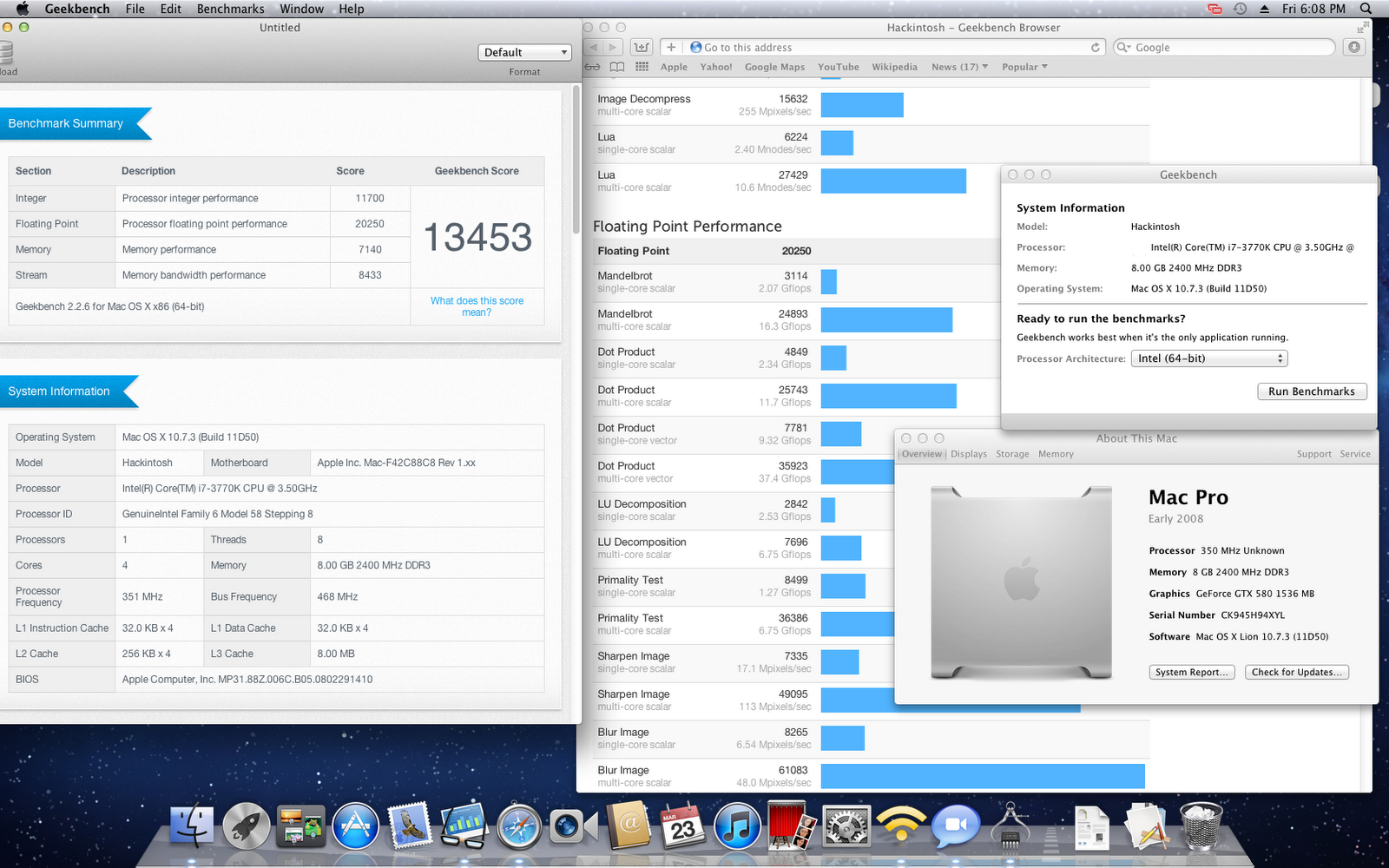
With Apple’s next round of Macs likely to include Intel’s Ivy Bridge processors recently confirmed for an April launch, there is still some speculation about which processors from the lineup will land in certain Macs. Rumors today point toward a refreshed iMac. Moreover, new Benchmark tests (via tonymacx86) submitted to Geekbench show Apple’s desktop operating system performing with the 3.5GHz Quad-Core i7-3770K, which is one of Intel’s most powerful Ivy Bridge chips suitable for desktops.

Note: The “Mac Pro” in the above screen capture is the profile used by the Hackintosh user, not the hardware. Also, note that the user had to modify the kernel to employ these new chips, which will also see further optimizations by Apple.

Geekbench user “hiwa” obviously had to use a Hackintosh to boot with the new chip. A Z77 motherboard was used in this case. Some benchmarks listed by the user demonstrate scores higher than any current Apple hardware. It is unclear what machine the benchmarks performed on, but it is clear Ivy Bridge is posting some impressive results compared with current Mac hardware.

While the benchmarks above show the Core i7-3770K desktop chip, Intel Product Manager Anand Kajshmanan claimed Apple’s MacBooks (likely to include Ivy Bridge CPUs in the near future) would face strong competition from Intel-powered Ultrabooks. In an interview with PC World, Anand was asked why a person would choose an Ultrabook over a MacBook Air or even an iPad:


Expand
Expanding
Close

Fun new MacBook Touch concept would make a great mobile device

Site default logo image

[youtube=http://www.youtube.com/watch?feature=player_embedded&v=R92jQtQuhuA]

With the Intel CPU news today, a 9to5Mac commenter posted the above fake commercial in our comments.

The joint mechanism is obviously a fake, but  it would not be out of the realm of possibility to see a 360-degree hinge on the next generation of MacBooks coupled with a touch display —especially because Apple has taken the Mac OS in the same direction as iOS during the last few years.

More usability is made available in the MacBook with a 360-degree hinge, but it also creates less need for an iPad, which does not bode well for this concept.


Expand
Expanding
Close

The next Macs will likely have one of these Intel Ivy Bridge processors, due in a month

Site default logo image

Ivy Bridge CPUs launching by April 29

We have heard reports in recent months that the launch of Intel’s Ivy Bridge processor lineup, which will likely find its way into next-generation Apple products, has been delayed. While an April/May launch was expected for some of the lineup initially, Intel confirmed in February that the launch would likely be pushed to June. Today, a report from CPU World that cited various sources claimed the Ivy Bridge CPUs, including both desktop and mobile chips, will launch between April 22 and April 28.


Expand
Expanding
Close

Report: Apple to return to Nvidia for Mac Pro graphics in Nehalem update

Site default logo image

It looks like Apple could (again) select the graphics giant Nvidia as the primary GPU provider for the upcoming Mac Pro hardware refresh. According to a mostly speculative story by MIC Gadget based on unnamed industry sources, new Mac Pros will feature Intel’s upcoming Ivy Bridge chipset fabbed on the chip maker’s latest 22-nanometer Trigate transistor technology (no surprise there). According to Intel, 22nm Ivy Bridge silicon claims a 37 percent speed jump and lower power consumption compared to the chip giant’s 32 nanometer planar transistors. ‘Trigate’ Ivy Bridge chips can feature up to eight processing cores and are more power-savvy, so they should help scale frequency, too. On a more interesting note, MIC Gadget speculates Apple could switch back to Nvidia as the primary supplier of next-generation GPUs for the new Mac Pros.

Nvidia has their “Kepler” platform due out around the same time as Intel is making their changes, and our sources within the company indicate that they have chosen to have Nvidia lead the charge so to speak on the graphics front.

Eagle-eyed readers could mention that AMD recently released the Radeon HD 7970 graphics card powered by the Tahiti GPU (its nearest rival is Nvidia’s GeForce GTX 590), with observes deeming it Apple’s go-to graphics card for future Mac Pros. Indeed, traces of support for Tahiti-driven AMD GPUs are found in Mac OS X Lion 10.7.3, at least indicating people might be able to upgrade their future Mac Pro with this card. Oh, and it’s great for Hackintosh builders, too.

Also indicative is a March 2011 Snow Leopard 10.6.7 update that enabled support for a bunch of AMD/ATI Radeon HD 5xxx and 6xxx cards, not all of which were in Macs at the time. On the other hand, a speculative switch to Nvidia would not be out of character as California-based Apple is known for frequently switching between Nvidia chips and those manufactured by rival AMD…


Expand
Expanding
Close

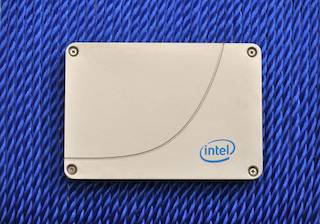
Intel’s new 520 Series SSD benchmarked: Easy on the battery, great data protection and compression features

Site default logo image

Intel announced today the new 520 Series solid-state storage code-named “Cherryville” and a number of tech websites and blogs already have their reviews up. The Verge has a nice review round up, and MacWorld’s own review provides an extensive overview of the pros and cons of the device. Fabbed on Intel’s 25nm Multi-Level Cell process, the 520 boasts sequential read/write performance of 550/520MBps when using a system with a SATA 3.0 6Gbps interface. The spec sheet positions the 520 Series as a solution for media creators and tech enthusiasts.

Still, Samsung’s comparable 830 Series came in fastest during Tech Report’s review (see the chart below the fold), with sequential read/write speeds of 500/350MBps on a SATA 3.0 6Gbps interface. We reviewed the Samsung 830 and found it to be the fastest available. In addition, the 830 SSD is almost $150 cheaper and it is going into MacBook Airs soon, unlike the 520 Series that comes in a 2.5-inch form factor—so it only fits inside MacBook and MacBook Pros.

MacWorld’s review achieved read-writes of 303/324MBps (sequential) and 303/338MBps (random) with Xbench 1.3 and 456/241MBps in read/writes using Blackmagic benchmarking software with 4K blocks. The 520 Series also has lower-than-usual power requirements and delights with strong data protection and compression features…


Expand
Expanding
Close

Apple, Google, and five other companies must face lawsuit over no-poaching agreements

Site default logo image

Late last week we told you that the U.S. Justice Department apparently had evidence that Apple, along along with Google, Adobe, Intuit, Pixar, Intel, and Lucasfilms, entered “no-poach” agreements as part of an antitrust investigation from 2010. U.S. District Judge Lucy H Koh made a statement yesterday at the U.S. District Court in San Jose, Calif., confirming the companies must face a lawsuit. According to the report from Bloomberg, Koh said she would allow plaintiffs to re-file their complaint even if an initial request by the defendants to dismiss the claims is granted.  

Judge Koh’s decision yesterday will result in Google and the other companies having to provide a detailed account of the agreements made with other companies. They must also allow lawyers to take depositions. One lawyer representing the plaintiffs, Joseph Saveri, said, “We get to see what really happened,” claiming the case could result in hundreds of millions of dollars in damages. Google provided statements to Bloomberg claiming they have “always actively and aggressively recruited top talent,” while the others have declined to comment.

Expand
Expanding
Close

Intel looking to use its new Medfield chip in the iPhone

Site default logo image

Intel is looking to use its recently unveiled Medfield chips in the iPhone, according to The Telegraph. In the report, Dave Whalen, vice president of Intel’s architecture group, told The Telegraph that Intel has talked to Apple and other manufacturers about using the new Medfield chips in iOS devices. Specifically, Whalen said as iOS continues to grow, “We talk to everybody.” Intel is also looking to Android and Windows Phone to use the new chips.

It is worth noting that it is highly unlikely Apple would move to Intel chips in iOS devices, even though the company uses Intel in Macs. Since the iPhone 4, Apple has continued to use its own line of processors—with the help of Samsung. The iPhone 4 was graced with the A4, the iPad 2 had the A5, and most recently— the iPhone 4S got the A5. The iPad 3 is rumored to get the quad-core A6 (mock up on the right), and going off Apple’s recent timeline, the iPhone 5 will most likely have the A6.

The most unique aspect about the Medfield chip is that it is a single core, unlike Intel’s previous chips. The Medfield uses the ARM chips’ strategy, in pulling all processes onto a single chip, which helps to save battery life and other things. For now, it looks Apple will most likely stick with its own proprietary chips. Samsung recently opened a factory in Texas for developing the A5 chip, showing Apple is committed to producing its own goods. Therefore, it is interesting that Intel is trying to make a move.


Expand
Expanding
Close

CES 2012: Intel fakes ‘live’ Ultrabook demo, mulls massive advertising campaign to push MacBook Air-killers [UPDATE 2x]

Site default logo image

UPDATE 1: As several commenters pointed out, it’s probably meant as a gag as Intel executive at one point joked about driving one handed and then without hands at all. The distinction remains unclear though due to audio not being clear enough. Nevertheless, the question remains: Why run the thing through backstage and not give a real-life demo?

UPDATE 2: Acknowledging “the confusion”, the publication followed-up with hands-on video showing F1 2011 running in real-time on the exact same system that Mooley Eden had been using to run the pre-recorded VLC video demo. Find it included at the article bottom, below the fold.

It looks like chip giant Intel has gone too far by attempting to have prospective buyers sold on Ultrabooks. Bright Side of News* editor Anshel Sag caught Intel’s Mooley Eden cheating during yesterday’s press conference at the CES show in Las Vegas. Mooley can be seen in the below video fake-driving a commonplace racing game by Codemasters called F1 2011.

In reality —and you can see it briefly at the beginning of the clip— he simply played back a video file using VLC media player and proceeded to fool the audience into believing they were witnessing a live demonstration of the graphical capabilities of the Ivy Bridge platform that powers forthcoming Ultrabook notebooks.

This prompted the author to dub the unbelievable move a display as “a gross distrust of their own demo.”  Intel promised a massive advertising campaign to help push MacBook Air-like notebooks that have been struggling to steal the limelight of Apple’s machine.

[youtube=http://www.youtube.com/watch?v=TAGrPyMKA_k]

Expand
Expanding
Close