Microsoft


We are starting to see the “Cars and Trucks” model unfold as PC sales are starting to slip dramatically.

Among the top 5 vendors in the U.S. PC market, all but Apple experienced a decline in shipments according to a Gartner report late this evening. This is not your average “Apple beat the PC industry every quarter for the past 5 years.” It is a dramatic fall. Apple pulled to within 500,000 units of Dell from double that a year ago.
A few notables:
Expand
Expanding
Close
A security vulnerability exits in the way that folder permissions are set in certain Microsoft Office 2011 for Mac 14.2 installations. This update resolves that vulnerability.
The Office for Mac 2011 14.2.3 Update also includes the following improvements:
To correct email messages that have already been cached, right-click the folder that contains the email messages, select Folder Properties, and then then select Empty under Empty Cache. Or, you can delete the Exchange account and then add it again to resynchronize the account.
To adjust this setting, select Tools, select Accounts, and then select Advanced for the IMAP account. The setting defaults to synchronize all lMAP folders every two minutes.
This update includes all the improvements that were released in all previous Office 2011 updates since the release of theMicrosoft Office for Mac 2011 14.1.0 Update. For more information about the improvements in a previous update, click the following article number to view the article in the Microsoft Knowledge Base:
2598783 Description of the Microsoft Office for Mac 2011 14.1.3 Update
2644347 Description of the Microsoft Office for Mac 2011 14.1.4 Update
2685940 Description of the Microsoft Office for Mac 2011 14.2.0 Update
2705358 Description of the Microsoft Office for Mac 2011 14.2.1 Update
2665351 Description of the Microsoft Office for Mac 2011 14.2.2 Update
Before you install the Office 2011 14.2.3 Update, make sure that the computer is running Mac OS X v10.5.8 or a later version of the Mac OS X operating system.
To verify that the computer meets this prerequisite, click About This Mac on the Apple menu.
Additionally, you must install the Microsoft Office for Mac 2011 14.1 Update before you install the Office for Mac 2011 14.2.3 Update.
To verify that the update that is installed on your computer, follow these steps:
The following file is available for download from the Microsoft Download Center:

Download the Microsoft Office for Mac 14.2.3 Update package now.
Release Date: July 10, 2012
For more information about how to download Microsoft support files, click the following article number to view the article in the Microsoft Knowledge Base:
Microsoft scanned this file for viruses. Microsoft used the most current virus-detection software that was available on the date that the file was posted. The file is stored on security-enhanced servers that help prevent any unauthorized changes to the file.
For a complete list of the files that this update adds or changes, double-click the update installer. Then, on the File menu, click Show Files.
To use AutoUpdate, start a Microsoft Office program. Then, on the Help menu, click Check for Updates.
For more information about resources for Office for Mac 2011, visit the following Microsoft website:


Reuters reported today that Congress is set to discuss whether companies that hold patents considered essential to an industry standard, “such as a digital movie format,” should be allowed to request bans on infringing devices. A hearing will take place this Wednesday with the Senate Judiciary Committee, and Federal Trade Commission officials are expected to testify:
“If they (smartphone makers) had taken the conservatively $15 to $20 billion dollars they’ve spent on this fight, imagine how much better a place the world would be,” said Lemley.

[youtube=http://www.youtube.com/watch?v=5JcSu7h-I40]
Apple made popular the use of touchscreen technology, but Jeff Han produced large multi-touch displays long before the iPhone’s mid-2007 launch. Now, Microsoft announced it would buy the company he founded.
According to a press release, Perceptive Pixel’s multi-touch tech, which is capable of detecting up to 100 touch events or 10 simultaneous users simultaneously, first gained recognition in 2008—despite its founding over two years earlier:
In 2008 its technology gained widespread recognition for transforming the way CNN and other broadcasters covered the 2008 U.S. presidential election. In 2009 the Smithsonian awarded the company the National Design Award in the inaugural category of Interaction Design. PPI’s patented technologies are used across a wide variety of industries such as government, defense, broadcast, energy exploration, engineering and higher education, and its expertise in both software and hardware will contribute to success in broad scenarios such as collaboration, meetings and presentations.
Han’s technology is often brought up as “prior art” in the context of Apple’s multi-touch patents. However, as Han said above, the technology has its roots in the 80s and what you do with technology is the thing that counts.
The terms of the deal were not disclosed, but Perceptive Pixel’s 82-inch screens retail at about $80,000 each, according to Microsoft Chief Executive Officer Steve Ballmer at a conference in Toronto today, and they are able to run Microsoft’s upcoming Windows 8 operating system. Microsoft even demonstrated the duo at an event in February (video above).
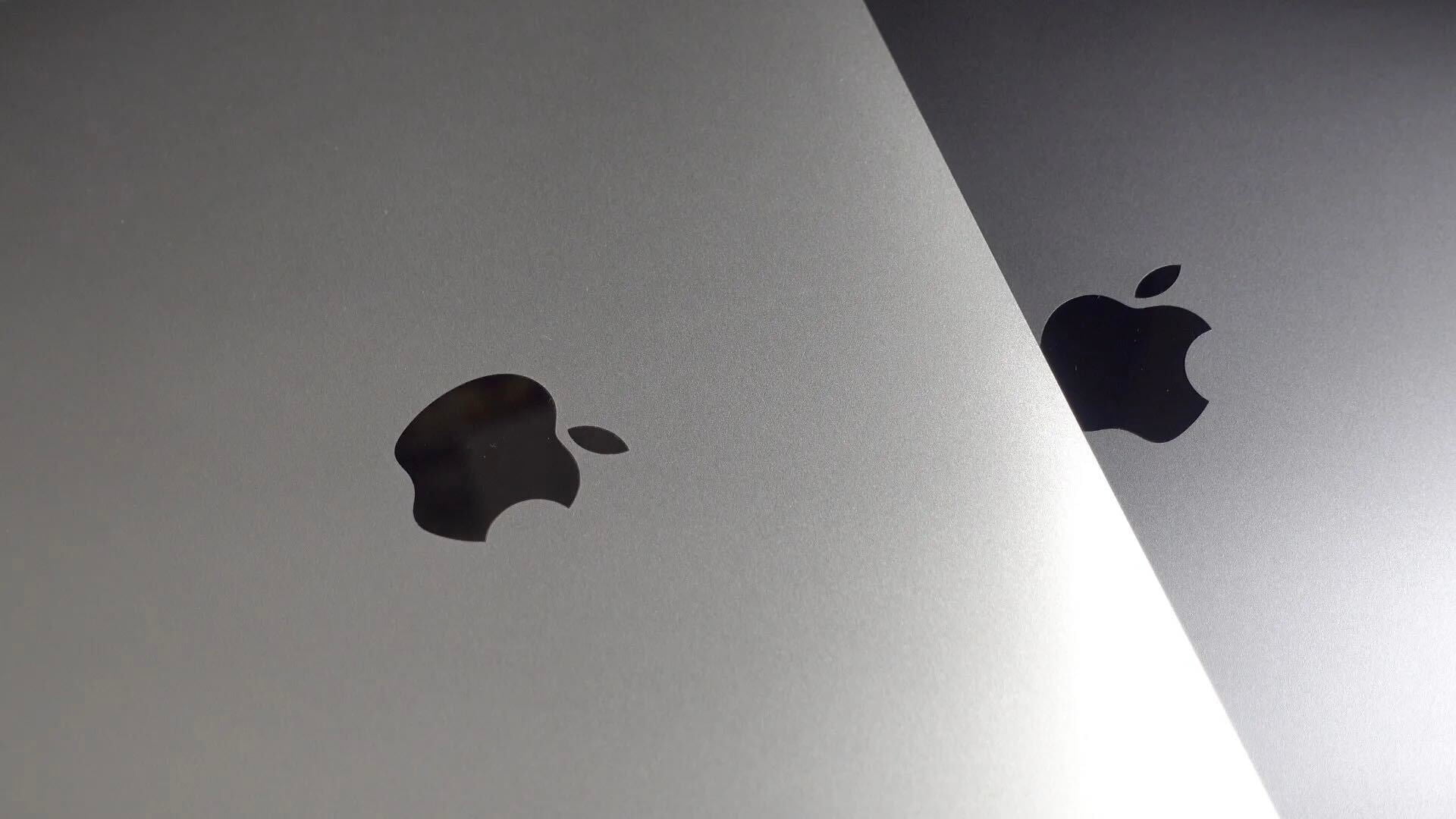
Yesterday, Bloomberg reported Apple has a smaller iPad in the works approximately 7-inches to 8-inches in size that may be scheduled for an October unveiling. Today, a report from The Wall Street Journal backs the rumor by claiming Apple’s suppliers are now preparing for mass production of the device in September, which would make an October unveiling alongside the next-generation iPhone all the more likely if true:
Expand
Expanding
Close


The one standout feature of the Microsoft Surface Tablet in our eyes was the keyboard cover. But is it that great? No one outside Redmond knows because Microsoft did not let anyone touch it at the press event.
But, if you can handle a paltry extra 4mm of thickness with the addition of real keys, an iPad aluminum-matched protective cover, and a built in stand, Logitech already has Microsoft beat in my eyes.
Enter the $99 Logitech Ultrathin iPad Keyboard Cover for iPad 2 and the new iPad. It uses the same magnets as Apple’s “smart” accessories to clip on and activate the iPad, but it is a rigid enclosure that matches the back of the iPad and turns it into the proverbial Apple netbook. It offers screen protection, but the back and sides are not protected. So, you will not want to drop test this setup.
[youtube=http://www.youtube.com/watch?v=zsIJUiTlrGI]
This is not just a repurposed PC/Mac keyboard either. It has dedicated iPad keys across the top including the very useful home button, volume keys, editing keys, and play/pause.

I have been using it since it unveiled two months ago. Here is my take:
After Apple released a patch to a Java vulnerability that lead to the infection of roughly 600,000 Macs with the Flashback Trojan earlier this year, there were claims weeks later from security researchers that hundreds of thousands of Macs were still infected. Kaspersky’s CEO claimed Apple is “now entering the same world as Microsoft has been in for more than 10 years.” Now, as noted by PCWorld, Apple appears to be publicly changing its longstanding stance that “it doesn’t get PC viruses.” The statement on Apple’s “Why you’ll love a Mac” website now reads: “It’s built to be safe” (as you can see in the comparison screenshots above).
Another statement on the website switched from “Safeguard your data. By doing nothing” to “It’s built to be safe.” Following the Flashback incident, Kaspersky claimed in April that Apple is “ten years behind Microsoft in terms of security,” and he “expects to see more and more” malware on Macs.
Cyber criminals have now recognised that Mac is an interesting area. Now we have more, it’s not just Flashback or Flashfake. Welcome to Microsoft’s world, Mac. It’s full of malware….Apple is now entering the same world as Microsoft has been in for more than 10 years: updates, security patches and so on,” he added. “We now expect to see more and more because cyber criminals learn from success and this was the first successful one…. They will understand very soon that they have the same problems Microsoft had ten or 12 years ago”
TheVerge reads behind the Sunday Times’ firewall:
The Sunday Times reports today that RIM is considering a plan to split its handset division and messaging network into two separate companies, and will sell off the struggling BlackBerry hardware business. The British paper doesn’t cite any sources in the report, but it says that Facebook and Amazon are both “potential buyers.” As part of this plan, RIM could keep its enterprise-friendly messaging and data network (including BBM and BIS) in-house and license them out.
BBM and BES only run on Blackberry now, and that platform will have a market share heading toward zero by the time RIM gets all of this organizational structure sorted. So keeping that a separate business makes little sense.
The other option is selling out piecemeal to Microsoft for parts and people. I imagine that by then, the price of RIM will get so low, even Apple and Google would be interested in picking up the parts (patents, people, and tech). Microsoft is probably already lining up some cash to buy the remnants of Nokia as well, so it is less likely to pick up RIM (although it made several attempts to pick up RIM in the past).
Moreover, RIM’s QNX/Blackberry 10 might have some value for companies like Dell, HP (which recently fumbled WebOS), Lenovo, Toshiba, Acer, or ASUS due to Microsoft now building its own tablets and scaring OEMs.
That split could also see Cisco or Oracle taking the backend stuff.
Any way you look at it, on the fifth anniversary of iPhone, Blackberry —as we knew it— is almost over.

Microsoft’s Windows Phone Summit is happening now in San Francisco with Microsoft Vice President Joe Belfiore giving a demo on eight of the big new features to be included in Windows Phone 8. Some of the notables, as highlighted in the images above, include: a new SIM-based NFC wallet experience that will initially launch on Orange (and it appears to include iOS 6 Passbook-like features for third-party cards, etc.); Nokia Map technology for offline maps and turn-by-turn; and, an updated customizable home screen. During the presentation, Belfiore also showed the slide above (via CNET) of SunSpider benchmark results showing IE 10 on Windows 8 beating out the iPhone 4S (running iOS 6 beta—Developer NDA be damned) and Android devices.
Perhaps the most interesting thing about Microsoft’s strategy is that it is—yet again—totally refreshing. That means no single Windows Phone 7 device will upgrade to Windows 8; all current devices are orphaned. For consumers, the company did this same thing with Windows Mobile. The only difference is that Windows Phone 7 looks like Windows 8. It is a completely new ballgame underneath, and the device is actually running an entirely new OS that gets its roots in Windows NT. For developers, things are easier due to the shared libraries.
Microsoft unveiled its Surface Tablet at an event in Los Angeles today. As Microsoft attempted to demonstrate, it follows a long line of Microsoft hardware achievements including the Microsoft Mouse, Microsoft Keyboard, and more recently the XBox (we must have missed the Zune, Courier, and Kin slides). The Surface has some notable features including a full-sized USB port, kickstand, and a 9.3-mm thickness. It runs on an ARM processor, and it is housed in a magnesium alloy case.
[youtube=https://www.youtube.com/watch?v=dpzu3HM2CIo&feature=player_embedded]
Probably the biggest feature is its 3 mm thick Touch Cover. Added to the iPad 2-ish 9.3-mm thickness, you get a “full package” of just 12.3-mm total. The ability to touch type on a 3 mm thick piece of plastic compared to, say, an 8 mm thick UltraThin Logitech iPad keyboard case, for instance, will be a big determining factor for this thing to take off.
[youtube=http://www.youtube.com/watch?v=jozTK-MqEXQ&start=840]
While it would not be a Microsoft demo without a few crashes, Microsoft Vice President Steven Sinofsky was eventually able to launch apps like MS Office, Adobe Lightroom, and Netflix on a backup demo model. The Surface will come in 32GB and 64GB ARM RT varieties and separately with Intel processors.
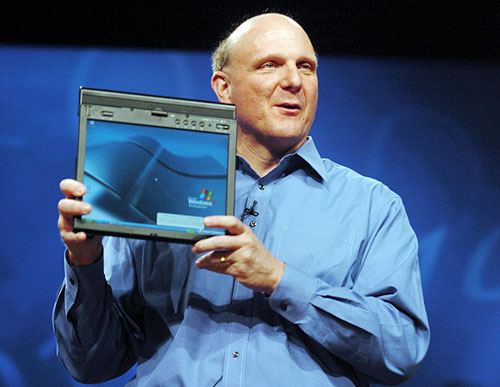
Microsoft is allegedly prepping to directly compete with Apple in the tablet market
The Redmond, Wash.-based Company scheduled an event in Los Angeles on Monday to make a “major announcement.” AllThingsD reported earlier this week that the event would unveil Microsoft’s tablet plans:
- After signaling for months that it would attack the market only through its traditional hardware partners, Microsoft has decided to enter the tablet business more directly. […]
- Sources say that Microsoft concluded that it needs its own tablet, with the company designing both the hardware and software in an effort to better compete against Apple’s strengths. Microsoft’s tablets may include machines running ARM-based processors as well as models running on traditional PC processors, sources said.
Perhaps more interesting: The Wrap claimed Microsoft will self-manufacture the device, which is an assertion that AllThingsD supports. The move is certainly plausible, because Microsoft snatched a 17.6-percent stake in Barnes and Noble’s Nook eReader business last month for $300 million. One could speculate that Apple and Amazon’s dominating presence in the market causes companies like Microsoft and Barnes and Noble to join forces.
[tweet https://twitter.com/harrymccracken/status/213653354117738497]
Update: A reader just sent the images above that show Apple’s maps are identical to Microsoft’s for certain locations.
Evidence surfaced yesterday that showed Apple was crediting TomTom, in addition to OpenStreetMap, for at least some of the data used in its new in-house Maps app. Today, a report from TechPP (via TheNextWeb) pointed to proof that Apple’s Maps data appears to come from Microsoft too:
our friend, Cody Cooper, a New Zealand based developer, found something more interesting. While playing with Apple Maps on iOS 6 beta, Cody found that some of the Maps images had Microsoft attribution. Check out the image below showing the response headers with attributions to Microsoft Corp 2012. Click on the image for a better view.
We have not been able to confirm the evidence, so we are marking this as unconfirmed for now. Apple’s full list of acknowledgments for its Maps app can be viewed here, while the full-sized image of the evidence is below:
[youtube=http://www.youtube.com/watch?feature=player_embedded&v=IYvQu00t75w]
Microsoft just wrapped up its presentation at this year’s E3 event. While we did not hear anything about iOS support for its new cross-platform Xbox Music service, the company did confirm Xbox SmartGlass would come to Apple devices. SmartGlass incorporates at least some AirPlay-like features that enable users to send video from their mobile devices to Xbox Live and Windows 8. It would also allow phones and tablets to be used as a second screen for providing content related to video or games on Xbox.
Microsoft demoed the feature with Madden on Xbox. It allowed players to use their tablet’s touchscreen to draw plays. Unfortunately, Microsoft only mentioned support for Windows 8 mobile devices for the Xbox gaming features:
Microsoft announced ahead of the E3 conference a new software application called “SmartGlass,” which can be downloaded on Windows phones and Windows 8 tablets, as well as devices powered by rivals such as Apple Inc’s iOS and Google Inc’s Android operating systems… For TV, someone watching “Game of Thrones” on the “HBO GO” streaming service via Xbox could simultaneously browse websites about the show’s cast.
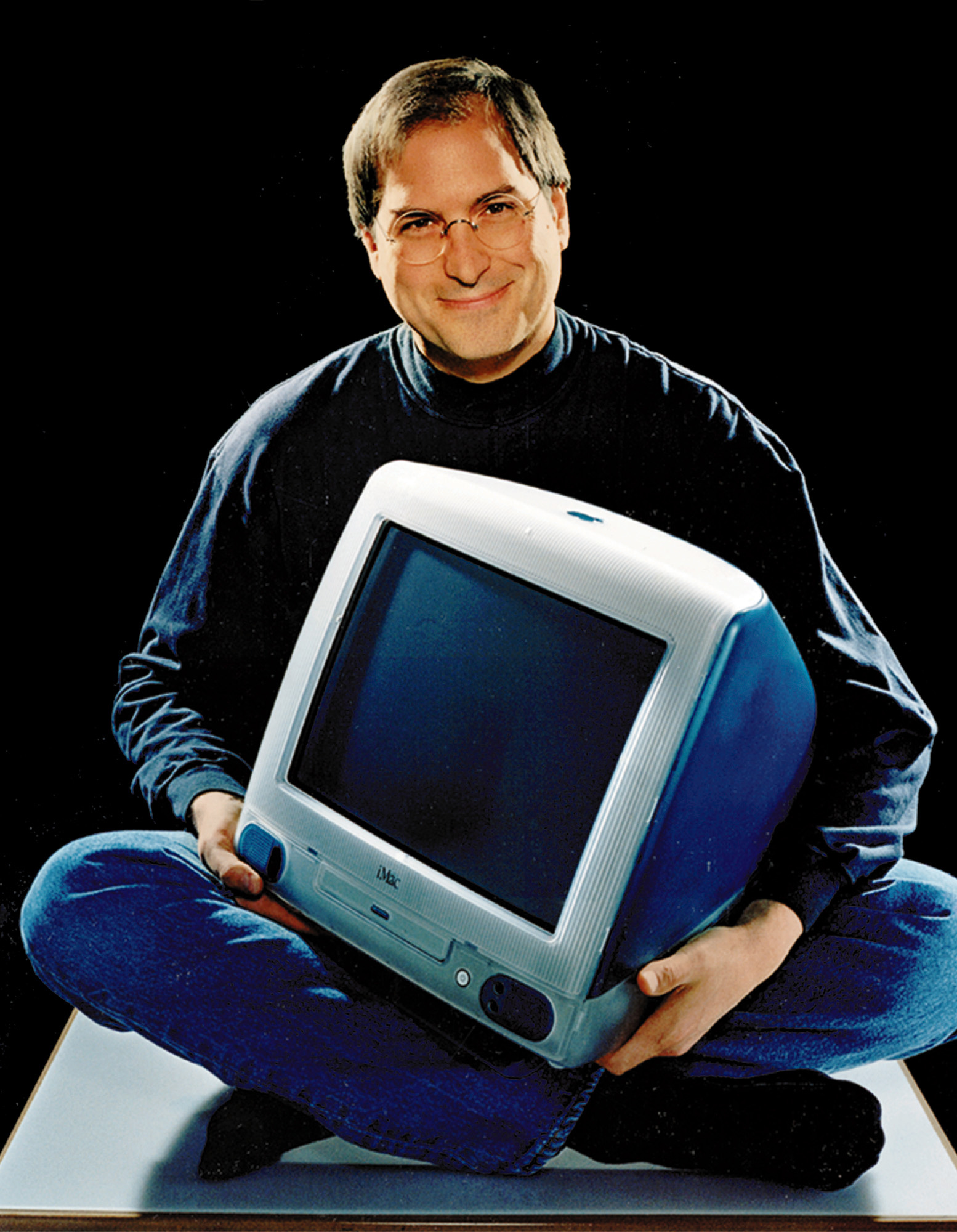
Ken Segall, a former Apple consultant and subsequent author, recently revealed a couple of anecdotes on the late CEO Steve Jobs while speaking at an event for his tell-all book.
Segall remembered a quarrel between Jobs and Apple’s design guru Jonathan Ive. He said the pair was “inseparable” and as “close as lovers,” but he also noted they had their disagreements: According to PC Advisor:
Segall was shocked at one of these rare arguments between Steve and Jony – he even worried that Ive might quit Apple over the row.
After 1998’s Bondi Blue iMac Apple decided to push the boat out and release a whole rainbow of the coloured computers the next year. Many models in various hues were collected together for Jobs, Ive, Segall and a few others to select from.
But Ive was “driven crazy” by Steve’s choices, and eventually stormed out of the room to his holiday, shouting that Steve could choose any of the colours he liked but he was taking no more part in the discussion.
Walter Issacson’s “Steve Jobs” biography provides a little more background information on the iMac feud:
Ive soon came up with four new juicy-looking colors, in addition to bondi blue, for the iMacs. Offering the same computer in five colors would of course create huge challenges for manufacturing, inventory, and distribution. At most companies, including even the old Apple, there would have been studies and meetings to look at the costs and benefits. But when Jobs looked at the new colors, he got totally psyched and summoned other executives over to the design studio. “We’re going to do all sorts of colors!” he told them excitedly. When they left,Ive looked at his team in amazement. “In most places that decision would have taken months,” Ive recalled. “Steve did it in a half hour.”
The author of “Insanely Simple: The Obsession That Drives Apple’s Success” further remembered one of the first names considered for the iPhone. So, what is the ingenious smartphone name that fell to the wayside in lieu of the “iPhone” moniker?
The “iPad.”
Reports claimed last week that an iPad version of Microsoft Office would launch in November, following several reports from The Daily, which claimed Microsoft is readying the app and posted the alleged spy shots above. Today, The Daily weighed in again by offering an exact launch date of Nov. 10:
Microsoft will launch Office for iPad on Nov. 10, The Daily has learned. This follows reports earlier this month that a late fall release was likely… We’ve learned that the development team within Office Mobile finished its work on the project last month, and the efforts of the design group wrapped soon after. The app is now in the hands of a usability team that appraises software that utilizes the Metro design language for “Metro compliance” and suggests changes as needed. When approved by the team, the app likely will go to Apple for app store approval, which could take a couple of weeks.
[youtube=http://www.youtube.com/watch?feature=player_embedded&v=agth2M00lvk#!]
We covered the release of Microsoft’s new SkyDrive for Mac and updated iOS apps last month, and today the company is once again trying to convince iCloud users to make the switch. On the Office for Mac blog and SkyDrive blog, Microsoft posted a video today titled “iCloud not enough? Try SkyDrive,” alongside the following three reasons to choose its cloud service over Apple’s:
Access files and Office docs, anywhere:
With iCloud, you can only access certain files across devices—like iWork files or photos you take on your iPhone.
With SkyDrive, you can access or manage any file from anywhere. It doesn’t matter whether the file is a document, photo, video, PDF, or anything else—just drag files to theSkyDrive folder on your Mac and they’ll automatically be available on youriPhone, iPad, or PC. If you don’t have your devices with you, you can still access, view, or edit any file by signing in to SkyDrive.com on any browser.
Share and work toegether with anyone:
With iCloud, you can only collaborate with people who have the right software.
But with SkyDrive, you can share any type of file—even big ones up to 2 GB—with anyone. SkyDrive works seamlessly with Office. Anyone you share with can view or edit Word,PowerPoint, or Excel files using Officefor Mac, Office for Windows, or withOffice Web Apps in their browser (it’s free!).
Your notes, everywhere:
With iCloud, you can access notes across your devices but can’t share them.
SkyDrive and OneNote, both free, are integrated so you can take notes, track to-dos and lists all in one place, and share your lists with friends and family so they can coordinate shopping or other tasks you’re working on together. You can share and keep your lists automatically updated from any device.
Microsoft also linked to a page with instructions for moving from iDisk to SkyDrive.
The last time security researchers at Kaspersky checked the state of Macs infected with the Flashback malware outbreak, it estimated roughly 140,000 were still infected. At the recent Info Security Europe 2012 conference, CBR quoted CEO and co-founder Eugene Kaspersky as claiming Apple is 10 years behind Microsoft when it comes to security:
“I think they are ten years behind Microsoft in terms of security,” Kaspersky told CBR. “For many years I’ve been saying that from a security point of view there is no big difference between Mac and Windows. It’s always been possible to develop Mac malware, but this one was a bit different. For example it was asking questions about being installed on the system and, using vulnerabilities, it was able to get to the user mode without any alarms….
Cyber criminals have now recognised that Mac is an interesting area. Now we have more, it’s not just Flashback or Flashfake. Welcome to Microsoft’s world, Mac. It’s full of malware….Apple is now entering the same world as Microsoft has been in for more than 10 years: updates, security patches and so on,” he added. “We now expect to see more and more because cyber criminals learn from success and this was the first successful one…. They will understand very soon that they have the same problems Microsoft had ten or 12 years ago”


Following the launch of Microsoft’s SkyDrive iPhone app, the company gave a preview of its refreshed SkyDrive service for Windows 8 and OS X. Today Microsoft has launched a new app for both Windows and Mac that brings Dropbox-like file management to the service. Of course SkyDrive is seen by many as a direct competitor to iCloud and other alternative cloud services. The tool essentially allows you to manage content stored in your SkyDrive by accessing files from your desktop, dragging and dropping them to the cloud, and organizing files in familiar folders.
The release comes following rumors that Google is prepping a Google Drive Mac app for its upcoming cloud service.
SkyDrive for Mac is the easiest way to access your SkyDrive from your Mac. When you install SkyDrive, a SkyDrive folder is created on your computer. Everything you put in this folder is automatically kept in sync between your computers (Mac or PC) and SkyDrive.com, so you can get to your latest files from virtually anywhere… Almost 70% of Mac users also regularly use a Windows PC. Since we want every customer to be able to rely on SkyDrive to access files anywhere, it’s important for SkyDrive be wherever they are.
Microsoft has also updated its iOS SkyDrive app today bringing support for iPad, Retina displays, the ability to open SkyDrive files in third-party iOS apps, and much more. The new application is available for download on your Mac here, and a full description of features from Microsoft is below:
Expand
Expanding
Close
Despite Apple currently constructing one of the nation’s largest solar arrays and expanding its North Carolina data centers, Greenpeace just released its “How Clean is Your Cloud” report claiming Apple, Amazon, and Microsoft “are powering their growing 21st-century clouds with dirty, 19th-century coal energy.” The organization is urging consumers to read the 50-page report and then contact the companies mentioned to convince them to change their approach when it comes to powering the cloud.
“If Apple is really interested in having the “high percentage” of renewable energy it claims to want for the iCloud, it will have to look beyond the initial steps for on-site generation and use its tremendous cash reserves to invest in or purchase renewable energy and also to put pressure on Duke Energy to to provide cleaner energy”
Apple issued a statement to various media outlets today in response (via NPR):
“Our data center in North Carolina will draw about 20 megawatts at full capacity, and we are on track to supply more than 60 percent of that power on-site from renewable sources including a solar farm and fuel cell installation which will each be the largest of their kind in the country,” said Kristin Huguet, an Apple spokesperson. “We believe this industry-leading project will make Maiden the greenest data center ever built, and it will be joined next year by our new facility in Oregon running on 100 percent renewable energy.”


Although Nokia may or may not be having some success in the United States with its heavy Lumia 900 marketing campaign under AT&T, it does not appear to have made any headway on its home turf in Europe. AT&T will give you $50 to take one of its Lumia 900 phones in the United States, but it has already fallen off the Best Selling list at Amazon.
Yesterday, the credit rating agency Moody’s downgraded Nokia’s debt to near junk level citing a “sharp decline in first-quarter cell phone sales that led to a 35 percent fall in revenue.” Standard & Poor’s announced a similar downgrade in March. Nokia’s share prices plunged another 20 percent in recent days on news that it would not come close to its forecasts.
Things do not seem to be looking up, either. Reuters talked to four European carriers that said Nokia phones simply could not compete with Apple’s iPhone and the Android devices already available.
“No one comes into the store and asks for a Windows phone,” said an executive in charge of mobile devices at a European operator, which has sold the Lumia 800 and 710 since December
When the Nokia 900 launched, we asked: “What question does the Lumia 900 answer? Why would you buy a Lumia over an iPhone or Android device?”
Expand
Expanding
Close

One of the biggest problems that we, as technology writers, face is choosing exactly what to write about on the site. What specifically is worth covering, and what should we leave for other pubs/Twitter/Facebook/Google Plus, etc.? We often pass on the smaller stories or the ones that do not directly relate to our core mission, even though we find them valuable or interesting. We do not want to stray too far from our core idea.
Nevertheless, we have long been after a way to cover the smaller stories, but more importantly give a forum to discuss these general topics, especially if they are interesting. Now that we have 9to5Forums, we have come up with something we call “Asides.” The idea is to bring together a “linked list” type of format coupled with gratuitous linking and the PandoTicker or AllthingsD Voices method of spreading the best of the Web.
Here are the types of topics we will cover on Asides:
We think we have found a new way to present these minor stories in a manner that has not been done before. Asides will appear chronologically on the website interspersed between regular posts (and in feeds and social media).
 .
.
However, you will only see the title on the web site, and it will be smaller than a full-sized story. We are working with WordPress on a way so these can open inline, but —for now— clicking on an Aside link will open a new page.
Our expectation is to post 20 or more of these per day. We hope you like Asides and find them useful.
Expand
Expanding
Close

Fortune relays Piper Jaffray/Gene Munster’s bullish prediction that Apple could reach a $1Trillion valuation in a few years by taking some its competitors’ value while also benefiting from increased tech investment and sales. The first point he illustrates (above) is that during the period where AAPL gained $400B in valuation (2008 to present), some of its key competitors lost the same amount in market cap. The second point is rationalized thusly:
We believe dollars invested in US technology companies will increase ~5% y/y on average for the next three years (CY12-CY14). By comparison, dollars invested in US tech companies were up 9% y/y in 2011. Therefore, the tech sector will add ~$390 billion in market cap through 2014. We assume Apple could capture half of this market cap (from 85% in the 4 years prior).Therefore, the tech sector will add ~$390 billion in market cap through 2014. We assume Apple could capture half of this market cap (from 85% in the 4 years prior).
Here’s a video from CNBC where Munster explains his world view: Apple and Samsung rule the mobile roost and companies like Nokia and RIM disappears into the ether.
[vodpod id=Video.16316843&w=425&h=350&fv=]
Munster’s figures follow another report from yesterday by Topeka’s Brian White who first made the $1000 AAPL call…
Expand
Expanding
Close
With iOS gaining roughly 30 percent United States marketshare as of Q4 2011 at the expense of RIM, Nokia and Microsoft, new numbers from Nielsen’s latest study show just how much of a duopoly the U.S. market has become. While noting about 50 percent of mobile subscribers in the U.S. are now smartphone owners, Nielsen gave a breakdown of how the two leading platforms continue to dominate as of February 2012:
Expand
Expanding
Close
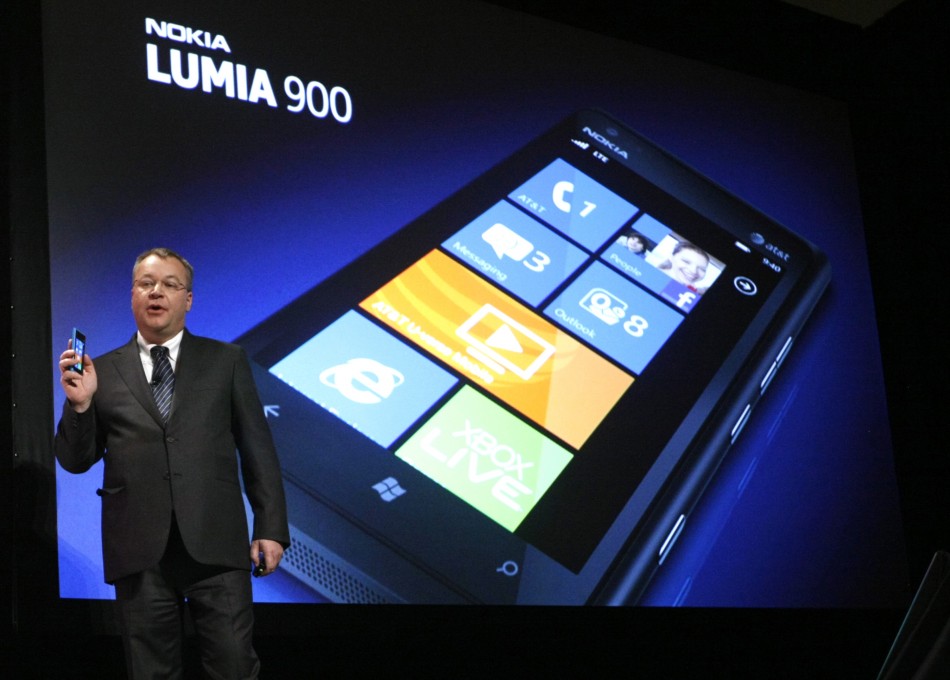
We are sure the Lumia 900 launch will be great for AT&T, but the carrier might be setting expectations a little high:
“At all levels, this is a notch above anything we’ve ever done,” AT&T device head Jeff Bradley said in an interview with CNET, noting that includes the launch of the iPhone.
Sure, Microsoft and AT&T will be throwing a lot of cash at this launch, and pricing their “Hero” device at $100 with plan certainly is aggressive, but does anyone really this launch will overshadow the 1 million-unit weekend of the iPhone 4S launch that AT&T itself said:
Expand
Expanding
Close
