A report from DigiTimes claims that Samsung has received orders from Apple for chips made using its new 14nm process, with volume production set to ramp up in the course of next year.
The Samsung Electronics and Globalfoundries team reportedly has landed orders for its 14nm FinFET process from Qualcomm and Apple, with related foundry services to begin in early 2015, according to industry sources in Taiwan …
Samsung, together with its lawyers, will have to fork out a little more cash following its loss in its second patent battle with Apple. A court has fined lawyers Quinn Emanuel and Samsung a total of $2M for misusing confidential details of a patent deal struck between Apple and Nokia.
The documents were supplied by Apple to Samsung’s lawyers purely so that it could see that Apple was telling the truth about its patent deals with other companies. The documents were marked “for attorney’s eyes only” and were not to be revealed to Samsung executives … Expand Expanding Close
Kanye West hasn’t been shy when it comes to expressing his opinions about Apple. Earlier this week he sat down for an interview with AdWeek and noted he thought Samsung’s deal last year with Jay-Z might have influenced Apple to invest in pop culture through its purchase of Beats. Above, Kanye expands on that thought in an interview with Bloomberg during the Cannes Creativity Festival. In the interview, while explaining that he thinks Apple didn’t see the value in investing in pop culture before the Samsung deal with Jay-Z, Kanye drives the point home by noting Apple offered artists “extra space on the iTunes page” instead of paying them to perform at the iTunes Festival.
We already knew that Apple wasn’t paying artists to perform at its iTunes Festival, which arrived in the U.S. for the first time this year during the SXSW festival in Austin, Texas. Kanye previously called out Tim Cook during one of his usual onstage rants earlier this year, but we didn’t know Apple was offering artists prime real estate on the iTunes store in exchange for their performances.
Kanye’s full quote is below:
“It showed, now that Steve has passed… It showed a number one company the importance of connecting with culture. And I know you might of heard about this thing where I was on stage calling Tim Cook out and saying why do you have these guys performing at SXSW and you don’t want to pay them. You just want to give us extra space on the iTunes page and stuff. Meanwhile, Samsung realized, the whole point of what we’re saying, is that no you have to go and pay these guys. And that culture and creativity is worth something. The best thing about the fall of Blackberry and the rise at Apple is the win for creativity…
Noted marketing and branding genius Kanye West said in an Adweek interview published today that the recent deal between Apple and Beats Electronics only came about because Apple rival Samsung inked a deal with Jay Z. In Kanye’s view, this makes all the sense in the world.
Ever since the Mac Pro was released in December, we’ve faced an onslaught of 4k displays. We reviewed Seiki’s budget offering last year, and while we liked it overall, it did have more than its fair share of set backs. For instance, you could only use the full 4k resolution at 30Hz, which meant that there would be noticeable lag when using the display as a monitor. Despite the low refresh rate, the display was still a great deal at its then $450 price point (now down to $390) and truly got us excited for the potential of 4k. At CES this year, we also saw a variety of 4k displays, some of which were priced for budget-minded customers, and some of which were high-end. Noticeably missing from CES, however, was Apple’s frenemy supplier/competitor Samsung.
Samsung, at the end of May, unveiled its take on an affordable 4k display. Samsung’s U28D590D is a 28-inch 4k monitor that supports full 4k resolution at 60Hz via a DisplayPort 1.2 connection. There are also two HDMI ports, but they’ll only do 4k at 30Hz, like the Seiki. The big selling point of the Samsung monitor, aside from doing 4k at 60Hz, is that it costs just $646 on Amazon. This puts it far below any currently available 4k monitor with 60Hz capabilities. I purchased the Samsung U28D590D on Amazon while it was priced at $666 and have been using it as my primary display for the past week. How does it compare to the Seiki? Is 4k all it’s hyped up to be? Let’s discuss.
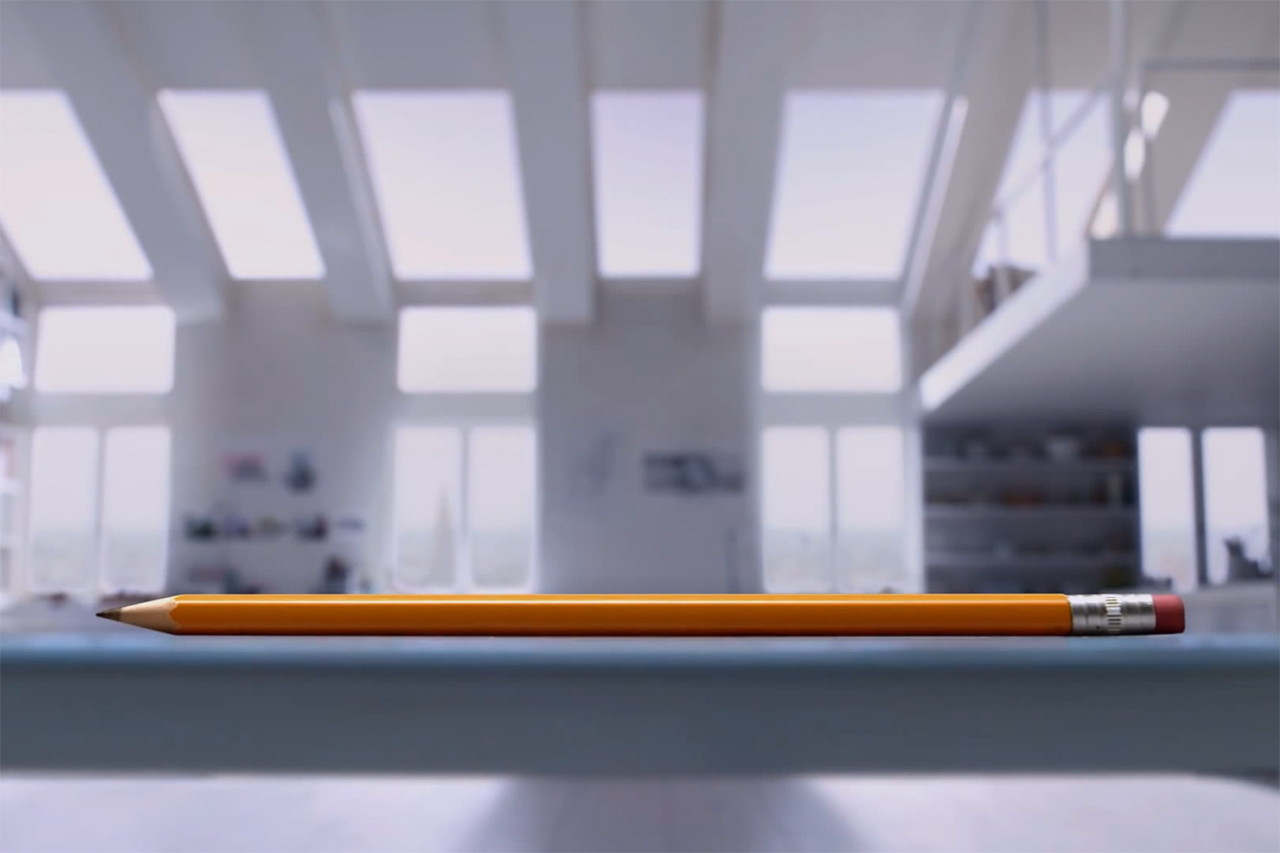
Bloomberg reports that Apple is moving more of its TV advertising in-house. This means the company is loosening ties with Chiat\Day, the ad agency Apple has used for more than 30 years, best known for producing Apple’s 1984 campaign.
Apple told Bloomberg that Apple’s ‘Pencil’ iPad ad, pictured above, was developed by Apple’s internal advertising team and are now responsible for all other TV ads airing now.
Many of us were deeply disappointed when Apple discontinued the MacBook Pro 17. While the Retina MacBook Pro 15 introduced at the same time offered higher resolution, sometimes there’s just no substitute for physical screen size. Photographers and videographers in particular loved the combination of the sheer size and the option of a matte screen.
I loved mine enough to immediately sell the three-year-old one I owned at the time in order to replace it with the last model made, to maximize its useful life. I still love it enough that I’ve just laid out a thousand bucks on a 2.5-year-old machine to fit 2TB of SSDs, giving it the best of both worlds: lightning-fast performance combined with huge storage that allows me to have all my files with me when I travel.
There may not be too many others who’ll follow my admittedly extravagant example, but I do think it’s time for Apple to revisit its decision and bring back the mobile professional’s workhorse … Expand Expanding Close
Based on the most recent verdict in Apple v. Samsung, Apple is attempting to seek a permanent injunction against any Samsung device that infringes upon its patents.
While this includes the devices that were at the center of the latest court case, it also includes “software or code capable of implementing any Infringing Feature, and/or any feature not more than colorably different therefrom,” which could be construed to mean current and even future devices.
A Dutch appeals court today upheld a 2011 decision that banned the sale of Samsung’s Galaxy S II and Galaxy Ace phones, as noted by Re/code. The devices in question were found to have infringed on Apple’s design in an earlier ruling and blocked from sale.
Apple’s original intent was to get an injunction against all Galaxy devices, but the company was forced to settle instead for just the two devices listed above.
While FOSS Patents’ Florian Mueller may be confident of Apple and Samsung reaching an early settlement on their patent disputes, a court-mandated update on the talks seems to tell a different story, with each side explaining why talks were not going well, reports The Verge.
For Apple, that includes statements made by Samsung’s lead attorney John Quinn, who referred to Apple as a “jihadist” and called the protracted trial “Apple’s Vietnam” in a pair of interviews …
Korea Times (via Fortune) is reporting that Apple and Samsung are in talks designed to settle all future patent disputes out of court. FOSS Patents’ Florian Mueller believes that a settlement will be reached “very soon.”
“Things should come to an end during the summer. Apple doesn’t have an endgame strategy. Its agreement with Google shows that its management is looking for a face-saving exit strategy from Steve Jobs’ thermonuclear ambitions,” Mueller said …
According to a court filing discovered by Reuters, Apple and Google’s Motorola Mobility unit have agreed to settle their ongoing smartphone patent litigation battle against each other. In a statement, the two companies said that this agreement does not include the ability cross license each other’s patents, but rather the promise to “work together in some areas of patent reform.”
The two tech giants have been battling it out over various patents for several years now, both directly and indirectly. It’s important to note, however, that this agreement is solely between Apple, Google, and its Motorola Mobility unit. This does not apply to any lawsuits between Android device manufacturers, such as Samsung and HTC, and Apple. Although theoretically, it would apply to patents owned by Google that device manufacturers are licensing.
Apple’s deal with Japan’s largest carrier, DoCoMo, saw the iPhone’s market share in the country climb from 25.5 percent last year to 36.6 percent in the year ending March of this year, reports Bloomberg. This full-year figure underestimates the current position, as it reflects only six months of sales through DoCoMo.
Japanese companies Sharp and Sony took second and third places, with 13 and 12.3 percent respectively, while Samsung was in sixth place at just 5.7 percent.
Apple’s market share in Japan hit almost 70 percent when the iPhone 5S and 5C were made available on DoCoMo, as pent up demand was first unleashed. Since then it settled back to just under 50 percent last quarter, and we’re likely to see a similar number in the full-year figures in six months time.
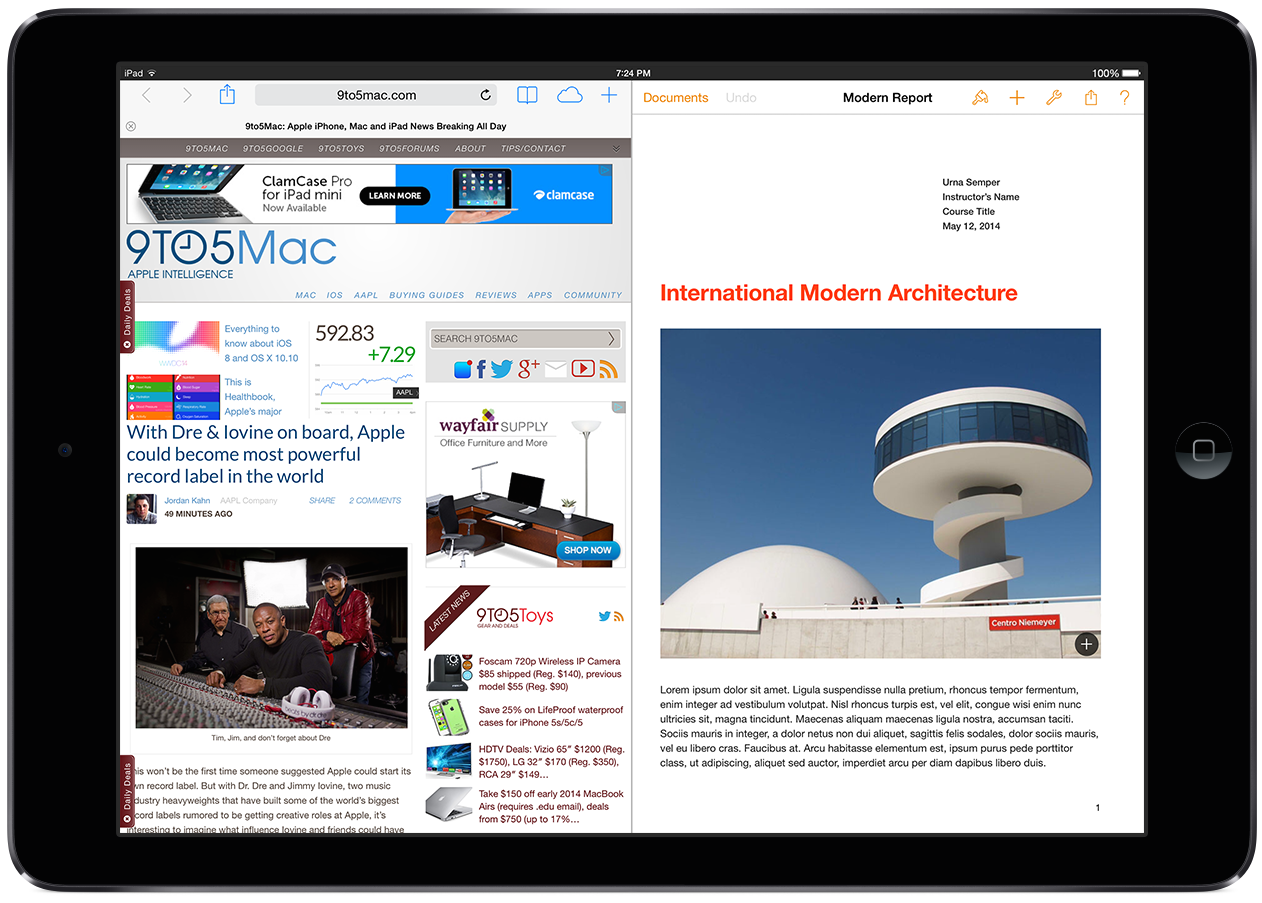
iOS 8 is likely to supercharge the functionality of Apple’s iPad with a new split-screen multitasking feature, according to sources with knowledge of the enhancement in development. These people say that the feature will allow iPad users to run and interact with two iPad applications at once. Up until now, each iPad application either developed by Apple or available on the App Store is only usable individually in a full-screen view.
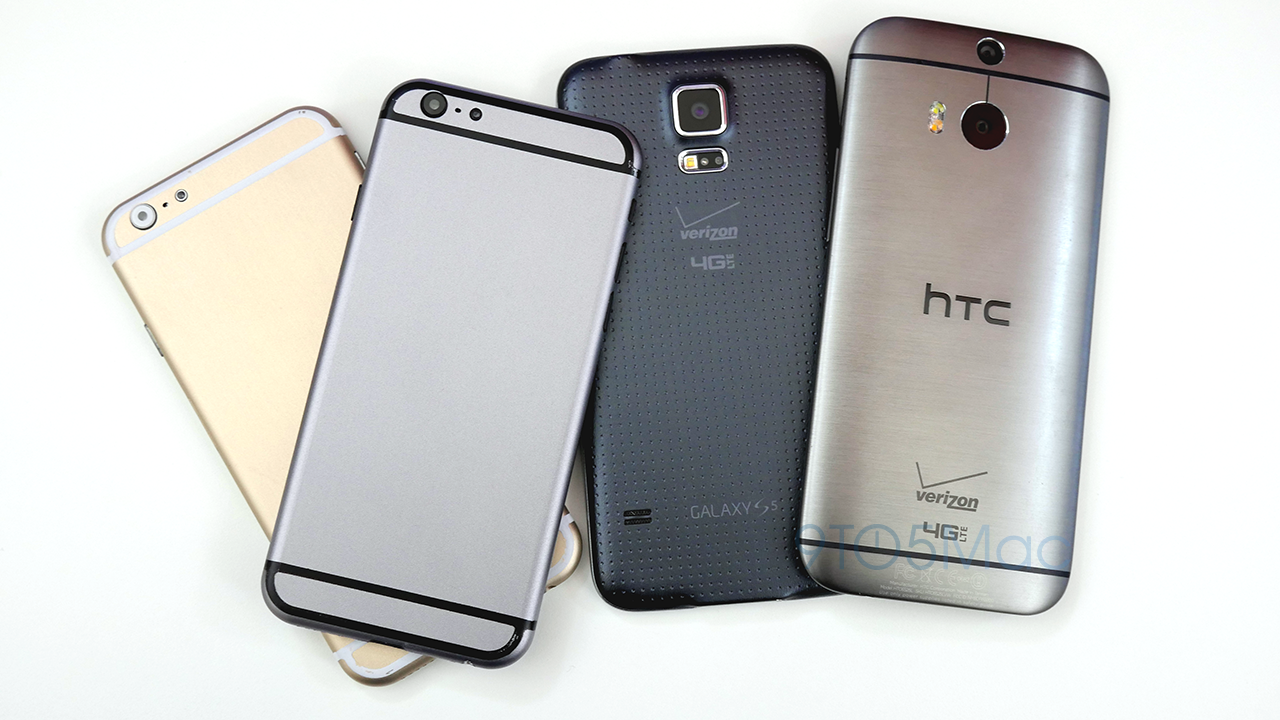
Based on all of the iPhone 6 dummy units we’ve seen, this rumored design closely resembles Apple’s fifth generation iPod touch, but that’s not all. As shown in the video below, the alleged iPhone 6 design looks very similar to another flagship smartphone released this year.
The HTC One M8 and iPhone 6 mockup look like cousins or long-lost brothers when it comes to their design. Of course there’s no confirmation that Apple is actually using this design for the iPhone 6, but almost all of these mockups have been manufactured based on “leaked” schematics and specifications.
The court battles between the two companies doesn’t seem to have harmed Samsung’s position as a key supplier of components to Apple. DisplaySearch figures show that Apple switched from LG to Samsung as the primary supplier of its display panels for iPad Air and iPad with Retina display last quarter, reports CNET.
Samsung Display reclaimed its position as the top iPad display panel supplier, shipping 5.2 million units of 9.7-inch panels with a resolution of 2,048×1,536, accounting for 62 percent of total shipments of that display size and resolution […]
LG Display […] saw its share of that display size/resolution plunge to 38 percent in the first quarter from about 61 percent in the fourth quarter of 2013 …
The foreman of the jury that awarded Apple just 5.5 percent of the $2.2B it claimed Samsung owed for patent infringements said yesterday that Apple should sue Google rather than handset manufacturers, reports the WSJ.
If you really feel that Google is the cause behind this, as I think everybody has observed, then don’t beat around the bush,” said Tom Dunham, whose job at IBM was to oversee developers expected to file patents. “Let the courts decide. But a more direct approach may be something to think about” …
Both Samsung and Apple have slipped in smartphone marketshare globally during the first quarter of 2014 according to the latest numbers from research firm Strategy Analytics. While global smartphone shipments grew 33 percent to 285 million units in Q1 compared to 213.9 million in the same quarter last year, Apple and Samsung collectively dropped from over 50 percent of the market to 47 percent. The report cites strong growth of “second-tier smartphone brands” such as Huwaei and Lenovo and lack of entry-level devices in markets abroad from Apple as the main contributors to slowed growth for Samsung and Apple. As for Apple on its own: Expand Expanding Close
In the ongoing patent trial where Apple is claiming Samsung infringed five of its patents, and Samsung is claiming Apple did the same to two of its patents, it has been suggested that Samsung bought the two patents concerned specifically to sue Apple. The allegation was made by Apple’s attorneys, reports The Verge.
The original inventors on the video patent, for instance, originated in Oklahoma, and the gallery patent originally belonged to Hitachi. In the case of the video patent, Samsung disclosed that it paid $2.39 million to acquire it in 2010, the same year FaceTime debuted alongside the iPhone 4. Apple hopes that will stand in stark contrast with its five patents, two of which were filed the day the company introduced the iPhone, and all developed within the company …
While testifying in the Samsung vs Apple case on Tuesday, it was revealed that Google has agreed to help Samsung defend itself against Apple in its current patent-infringement case. According to a report from Re/Code, citing deposition testimony from Google lawyer James Maccoun, Google has also agreed to partially or fully indemnify Samsung for any loses it may suffer on its claims.
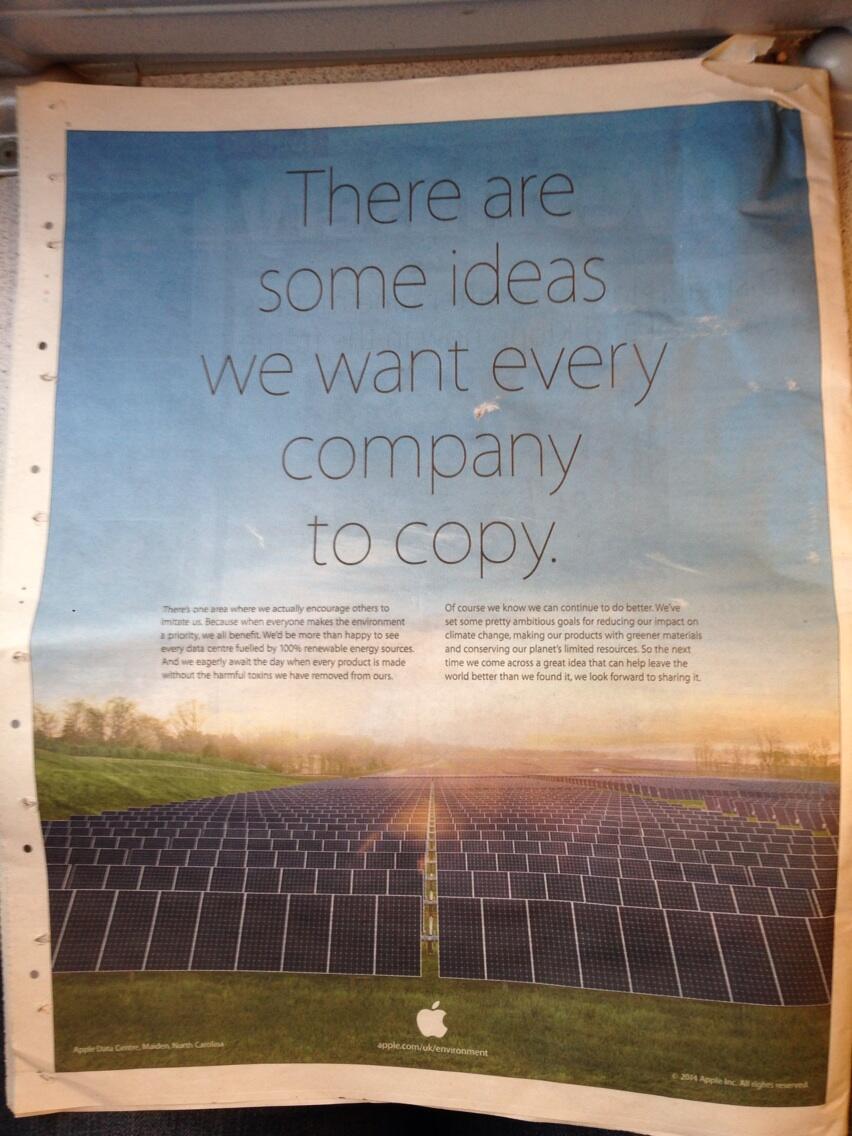
As part of its recent environmental campaign, Apple has taken out some tongue-in-cheek full-page print advertising in newspapers around the world today. The ad reads ‘There are some things we want every company to copy’. The ad was first spotted by David McClelland on Twitter. (Hi-res version below:)
Samsung and Apple may spend rather a lot of time arguing about who invented what in patent trials, but Samsung does at least acknowledge one Apple invention. The Samsung Innovation Museum, opened to mark the 45th anniversary of Samsung Electronics, includes an Apple II, described as “the first home computer.”