With Apple and Samsung caught up in ongoing patent disputes worldwide for various smartphone and tablet devices, the proposition of an Apple-branded HDTV would have Samsung once again defending its market share from Apple. This time it is in the living room—a market Samsung largely dominates. However, if you ask Samsung’s AV Product Manager Chris Moseley, Apple is not ready to compete with his company’s experience as a TV manufacturer, specifically when it comes to picture quality. Moseley talked toPocket-lint in Prague at a Samsung press event:
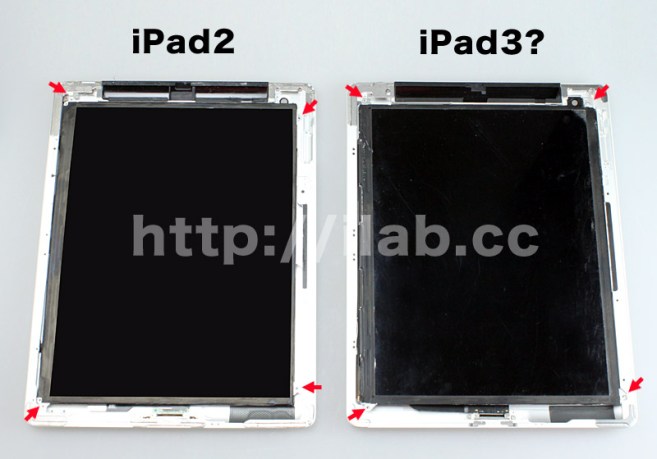
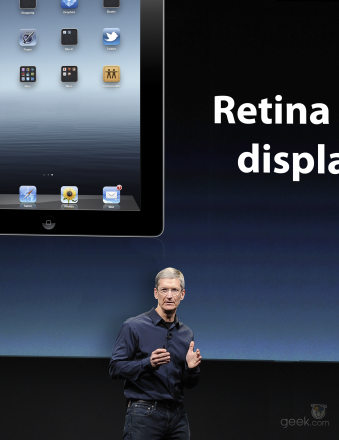
Apple iPad 3 rumors indicate a March 7 announcement with a 2,048-by-1, 536-pixel Retina display, quad-core A6 processor, improved cameras, and now LTE chip. The over-all design of the tablet will remain the same, according to the consensus, but the big new feature will obviously be the new Retina display. Rumors also indicate LG and Samsung are manufacturing the display. ChinaTimes said in a new report this evening that Apple ordered a whopping 65 million 264PPI Retina displays from both LG and Samsung. Both have reportedly already begun production, as well. It is not clear if this number includes orders from Sharp, who is rumored to be building displays from the iPad 3.
For comparison, Apple ordered 40 million displays for the iPad 2. Today’s report indicates a substantial 60 percent to 70 percent increase over iPad 2. If these reports are true, Apple is thinking big for its new tablet.
The iPad 2 is currently the world’s hottest tablet due to selling 15.4 million during the holiday quarter. With a big feature like the Retina display, Apple could potentially blow these numbers out of the water. China, and other emerging markets, could contribute to the influx of sales.
Apple’s $46.33 billion dollar holiday quarter and the 73+ million shipped Macs and iOS devices are clear standouts in the newest NPD research note exposing Apple as the only brand to have grown sales in the all-important holiday quarter. The same cannot be said for rivals Hewlett-Packard, Samsung, Sony, and Dell, which all experienced missteps in holiday-quarter gadget sales. Five consumer electronics categories (PCs, TVs, tablets/e-readers, mobile phones and video game hardware) drove nearly 60 percent of all sales in 2011. Apple’s share of total revenue across these five important categories rose 36 percent year-over-year, according to NPD.
As a result, Macs, iPhones, iPods, iPads, Apple TVs and the company’s other consumer electronics gear accounted for 19 percent of all sales dollars. That is almost twice as much as No. 2 Hewlett-Packard. HP’s, Samsung’s, Sony’s and Dell’s sales dipped 3 percent, 6 percent, 21 percent, and 17 percent, respectively. Apple Retail was No. 3 in terms of revenue, right after No. 1 Best Buy and second-ranked Walmart. Staples and Amazon tied for fourth place to round out the top five—a repeat of 2010.
By the way, did you notice which two consumer electronics categories lack a dedicated Apple offering?
The next iPad will have the name “iPad 3,” according to the consensus of rumors, and it features a faster processor/GPU while remaining the same size as the current iPad 2. Its unveiling is in a month (March 7th is the first Wednesday) and will be available (in Wi-Fi certainly) almost immediately after.
The big differentiator this year is the “Retina Display” with a staggering 2048-by-1536 pixel screen, likely made by Sharp/Samsung/LG. An Apple employee told The New York Times that the display was “truly amazing” and it must be with a pixel count that lies between the 21- and 27-inch iMacs squeezed into a 9.7-inch display. Consider: You can watch a Blu-ray movie at native resolution with over 100 pixels on the side and nearly 500 pixels below to “play with.”
Oh, by the way: How many megapixels is 2048-by-1536? Just over 3.
That screen sounds like it might take more juice to power, but Apple will add some extra battery capacity, which might make the iPad 3 slightly thicker. The battery life will likely continue with 10 hours as the baseline (why make the case slightly bigger or smaller otherwise?).
After taking a beating by Motorola over FRAND patents this month, Apple issued a letter to the European Telecommunications Standards Institute asking the body to establish consistent royalty fees for patents deemed essential to wireless standards, reported the Wall Street Journal. The body has a role in setting the standards related to GSM, 3G UMTS, and 4G LTE radio technologies.
Apple is involved in nasty patent disputes with Motorola, HTC and Samsung in courtrooms around the world, and it previously asserted in court documents that handset maker Motorola refused to license its essential patents on “Fair, Reasonable, and Nondiscriminatory” (FRAND) nature at rates offered to Nokia, Samsung and other vendors. According to the Journal:
Many mobile technology companies, such as Motorola Mobility Holdings Inc. and Samsung Electronics Co. Ltd., hold patents that became part of industry-wide standards. Standards bodies often require the patent holders to offer to license their patents to any company on a basis known as Frand, or fair, reasonable and nondiscriminatory. Questions about such commitments have arisen amid a flurry of patent suits between rivals in the mobile-device market.
Apple’s lawyer wrote in the letter: “It is apparent that our industry suffers from a lack of consistent adherence to FRAND principles in the cellular standards arena.” A copy of Apple’s letter was posted online by the FOSS Patents blog. Motorola recently likened its enforcement of FRAND patents to bank robbery: “It only takes one bullet to kill.” Samsung and Motorola reportedly demanded that Apple pay a 2.4 percent and 2.25 percent royalty, respectively, illustrating what the iPhone maker called are unreasonable FRAND licensing terms.
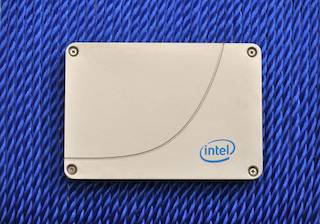
Intel announced today the new 520 Series solid-state storage code-named “Cherryville” and a number of tech websites and blogs already have their reviews up. The Verge has a nice review round up, and MacWorld’s own review provides an extensive overview of the pros and cons of the device. Fabbed on Intel’s 25nm Multi-Level Cell process, the 520 boasts sequential read/write performance of 550/520MBps when using a system with a SATA 3.0 6Gbps interface. The spec sheet positions the 520 Series as a solution for media creators and tech enthusiasts.
Still, Samsung’s comparable 830 Series came in fastest during Tech Report’sreview (see the chart below the fold), with sequential read/write speeds of 500/350MBps on a SATA 3.0 6Gbps interface. We reviewed the Samsung 830 and found it to be the fastest available. In addition, the 830 SSD is almost $150 cheaper and it is going into MacBook Airs soon, unlike the 520 Series that comes in a 2.5-inch form factor—so it only fits inside MacBook and MacBook Pros.
MacWorld’s review achieved read-writes of 303/324MBps (sequential) and 303/338MBps (random) with Xbench 1.3 and 456/241MBps in read/writes using Blackmagic benchmarking software with 4K blocks. The 520 Series also has lower-than-usual power requirements and delights with strong data protection and compression features…
We saw the Android-iOS duopoly coming last summer. Now, the effects of this incredibly tight chokehold are becoming painfully evident to virtually every handset maker sans Apple and Samsung. According to a fresh NPD survey from this morning, during the fourth quarter of 2011 Android and Apple together accounted for over 90 percent of smartphone sales in the United States. No wonder RIM is sliding fast. The remaining 10 percent is up for grabs.
Apple, which seized the No. 1 crown from Samsung last quarter, and leapt past Samsung and LG to become the best-selling U.S. handset brand, according to NPD. The iPhone maker grabbed 43 percent of all U.S. smartphone sales, while Android devices accounted for 48 percent of devices. First-time buyers prefer Android (57 percent) to iPhone (34 percent). Smartphones in Q4 represented 68 percent of all cell phones in the U.S., up from 50 percent in the year-ago quarter.
Some perspective: HTC today reported fourth-quarter results and blamed Samsung and Apple for a 26 percent income drop. What’s more, HTC devices are nowhere to be seen on NPD’s list of the top five best-selling devices in the U.S.
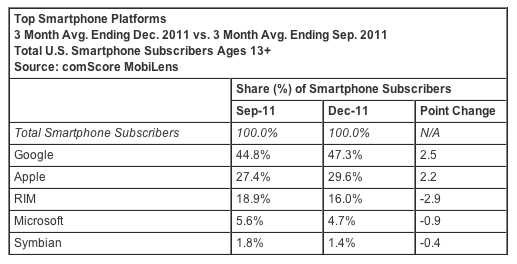
Research firm comScore is out with its latest numbers for the month of December, giving us a glimpse at the current United States mobile market. The report indicates that mobile sales are up-and-rising for the holiday month. comScore found that Google’s Android is leading with a 47.3-percent OS market share (rising 2.5 points) and Apple’s iOS is in second with a 29.6-percent market share (rising 2.2 points).
When it comes to device market share for both smartphones and non-smartphones on the OEM side, Samsung tops the charts with a 25.3-percent market share, which did not change from the previous month. LG and Motorola place second and third, both losing a small amount of market share during December. Apple comes in fourth in market share, and now boasts 12.4-percent of total mobile subscribers (rising 2.2 points).
The U.S. still ranks in as one of the world’s most important places for smartphones, with 97.9 million people owning smartphones during Q4 2011. When it comes to worldwide sales, Research Firm IDC yesterdayreleased its estimates for December. They found that Apple passed LG to become the third-largest smartphone manufacturer worldwide, with an 8.7-percent market share in Q4 2011, and a 6 percent market share in 2011 as a whole. Nokia remains in the top spot with 26.6-percent, followed by Samsung who has 22.8-percent. You can check out the graphs after the break for the full run-down:
[youtube=http://www.youtube.com/watch?v=pS9sUm5Y0sg] last year’s
The iPhone maker is many things to many people and it is easy to overlook Apple’s powerful marketing amidst the popularity of its gadgets. Yet, the two are inseparably intertwined. No wonder well-known names in business are (again) taking cues from Apple’s marketing cookbook, including United States specialty retailer of consumer electronics Best Buy that uncharacteristically decided to break away from the usual Super Bowl advertising featuring celebrities, which seems to be norm these days.
Instead, its new approach calls for celebrating technology innovators, a concept Apple popularized back in 1997 with the “Think Different” campaign. According toBloomberg, the retailer opted to feature Silicon Valley inventors, such as Instagram cofounder Kevin Systrom and camera phone pioneer Philippe Kahn who will help bring home the message at Sunday’s big game. From the mouth of Best Buy’s Marketing Chief Drew Panayiotou:
Big brands like to hire celebrities. We looked at everyone from George Clooney to Stephen Colbert. We believe the inventors are more than enough. I give those 125 million viewers a lot of credit. I think they’ll appreciate the story. […] They may not be at the same level as Steve Jobs, but they created some amazing stuff.
Eagle-eyed readers could point out that the retailer last holiday season aired Apple-focused adverts promoting its store-within-a-store displays, seen below. However, Best Buy’s latest creative concept marks a departure from its past Super Bowl campaigns that tapped celebrities, such as heavy metal rocker Ozzy Osbourne and teen heartthrob Justin Bieber. Meanwhile, a Taiwanese vendor is treading the fine line between originality and a display of disrespectfulness by featuring a Steve Jobs imitator to drum up excitement for its upcoming Android slab. Check it out that commercial in a clip included right after the break.
European Union regulators today announced the launch of a formal investigation of Samsung over mobile patents to determine whether the South Korean conglomerate breached EU antitrust rules in its legal dealings with competitors. The investigation is focused on so-called FRAND patents, a common rule that stipulates a patent applying to the standard must be adopted on “fair, reasonable, and non-discriminatory terms” (FRAND). According to the press release, EU regulators want to figure out whether Samsung “used certain of its standard essential patent rights to distort competition in European mobile device markets, in breach of EU antitrust rules.”
The Commission reminds that Samsung a decade ago promised to let rivals license its mobile patents under FRAND terms. The full-blown investigation comes in the light of the lawsuits Samsung filed against Apple at courts in Germany, France, the Netherlands and other countries around the world, asserting copyright infringement related to patents essential to wireless telecommunications standards.
The case is “a matter of priority,” the document reads. Patent blogger explained, “The European Commission can’t wait until Samsung finally wins a ruling based on such a patent and enforces it, potentially causing irreparable harm.” The full text of the European Commission Antitrust Commission announcement can be found below.
Apple just announced its Q1 2012 earnings in a press release a few minutes ago, which revealed very impressive numbers from the company. Apple revealed it sold a whopping 37 million iPhones during the holiday quarter, which now gives the company the No. 1 smartphone manufacturer spot —back from Samsung, who previously held the title. Earlier this month, Samsung gave estimates of 35 million phones sold during the holiday quarter. This means Apple beat the company by 2 million.
With the growing sales of Apple’s mobile devices and the ever-increasing popularity of smartphones (analysts projected 30+ million iPhones for today’s holiday quarter earnings call), it is no surprise that the Mac-maker is rising up the chip-purchasing ladder. According to research firm Gartner, Apple is now the world’s largest buyer of silicon parts, spending an astounding $17 billion on semiconductors in 2011 and accounting for a 5.7 percent share of total silicon buying.
That’s a 34.6 percent increase over 2010— enough to jump two spots ahead of rivals Samsung and the world’s leading computer maker Hewlett-Packard (soon to be displaced by Apple). Apple’s rise stems of strong sales of iPads, iPhones and its popular MacBook Air ultra-portable notebook family. Samsung ranked second with $16.7 billion worth of semiconductors in 2011, a 5.5 percent share. Computer makers Hewlett-Packard and Dell and cell phone giant Nokia round up the list of top five chip buyers with $16.7 billion, $9.8 billion and $9 billion worth of silicon parts, respectively.
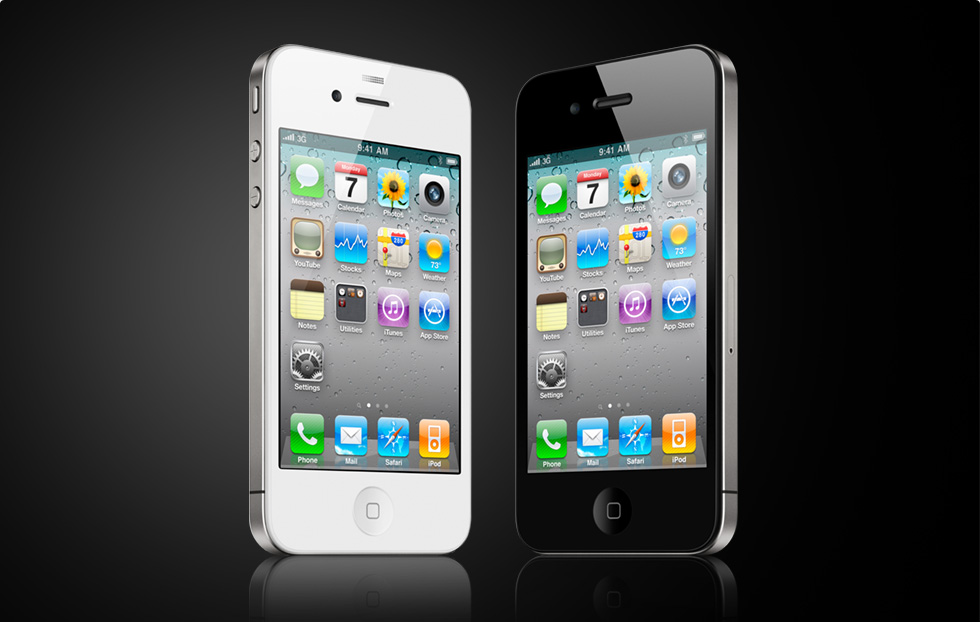
Samsung is continuing its anti-Apple rant with a new television commercial titled “Samsunged.” Once more, the South Korean conglomerate laughs off those who would wait in line for a new iPhone. The commercial opens with the familiar scene as line waiters get a visit from their Galaxy SII-toting friend, and they promptly feel envious over his phone’s turn-by-turn navigation capabilities.
When asked by a girl waiting in the line how much he had paid for the navigation app, the Android person responded: “I didn’t, Galaxy S II just has it – it just comes with it.” To that, one of the Apple fans remarked angrily: “Ooooh, we just got Samsunged!”
It is also worth noting that the advertisement subtly pokes fun at the iPhone 4S’s same design as the iPhone 4, as well as its widely reported battery issues. The commercial starts out with the line’s awaiting customers eagerly watching a streaming video of the device they are hoping to buy being unveiled online, and upon seeing the device, one customer sighed: “Awe, that looks like last year’s phone.” The scene immediately transitions into the Galaxy S II user bringing his friends a white smartphone charger, presumably because their device’s battery is almost dead.
Apple fans are obviously going to be seeing more of these advertisements as the Super Bowl approaches. It is certainly interesting, though, that these commercials paint Samsung customers as hipsters.
Samsung made a formal request with the U.S. District Court in California for Apple to reveal the intricacies of its contract with wireless chipmaker Qualcomm, who currently supplies chips for the iPhone 4S, CDMA iPhone 4, and iPad 2. Qualcomm is currently in a cross licensing agreement with Samsung, bringing up the question of whether “Apple’s buying Qualcomm chips is as good as paying for the patents.” The documents could potentially reveal Apple’s plans to move to Qualcomm LTE chips in future iOS devices.
Specifically, Samsung defense lawyer Dylan Ruga wants to know if Apple is considered a “Qualcomm Customer,” a term that is “defined in certain licensing agreements between Samsung and Qualcomm.” The request was discovered in court documents by Korea Times and later confirmed by Samsung Electronics spokesperson Lim Yoon-jeong. Korea Times reported:
Samsung Electronics is alleging that Apple has infringed on Samsung-owned patents that relate to technology embodied in chipsets used in Apple’s iPhones and iPads. The documents are expected to determine whether Apple is in fact a direct customer of Qualcomm — and potentially immune from Samsung’s suits — or whether it purchased its chips through an intermediary.
Here is an excerpt from the document that has not been released by the courts: Expand Expanding Close
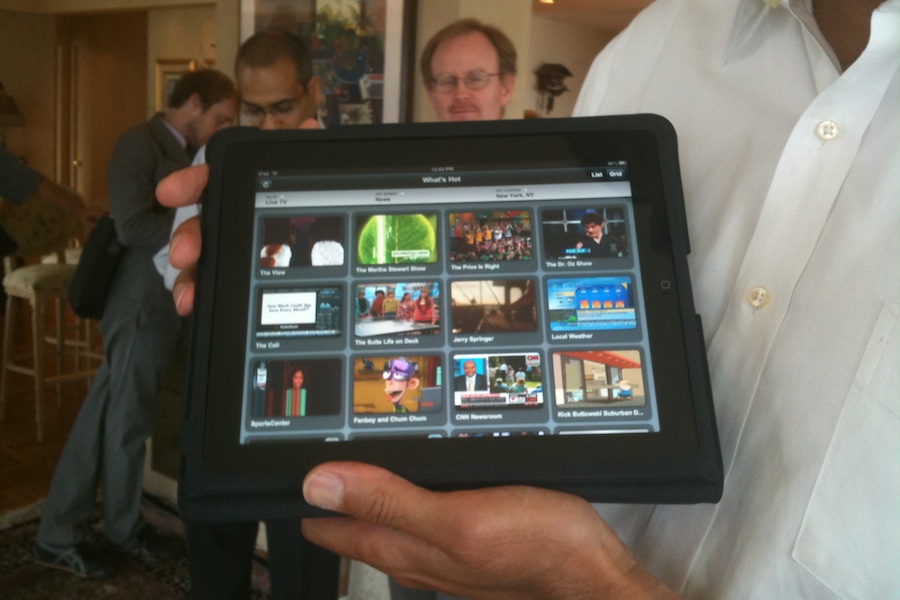
Verizon Wireless made 26 of its live FiOS TV channels available for online streaming on the Xbox 360. In a new report, GigaOM had the chance to sit down and talk to a Verizon representative at CES 2012, who said a similar app would be available for the iPad sometime this year. Verizon originally announced the streaming app about a year ago and a half ago, but the company held back from releasing it. Verizon accredits the hesistance to making sure networks have the same reliability as IPTV services so streams do not crash.
Verizon also rolled out a similar app to Samsung’s connected Blu-Ray players and televisions today. The iPad app will presumably be available free to those who subscribe to Verizon’s FiOS TV service. We look forward to seeing the app land sometime later this year. Obviously, this will only be available for paying FiOS customers.
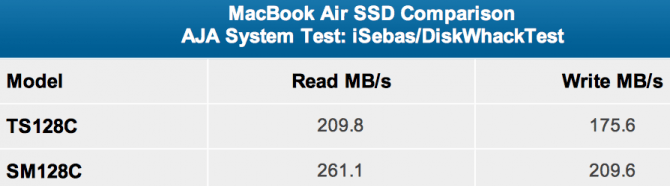
I had a chance to meet with Samsung Storage solutions at CES 2012 this week and got the low down on its new OEM SSDs that Apple tends to buy in large numbers. Samsung and Toshiba are the OEMs that provide the SSDs in MacBook Airs. Samsung’s 470 OEM SSD product is noticeably faster than the Toshiba model that Apple also puts in otherwise identical MacBook Airs. We have talked about the speed difference before and how Air-buyers often will pay a premium for the faster Samsung drives.
Well, the speed difference is about to get even more noticeable. Samsung told me that it sold out of the 470 series OEM SSDs late last year and the company only makes a much faster variety: the 830 series.
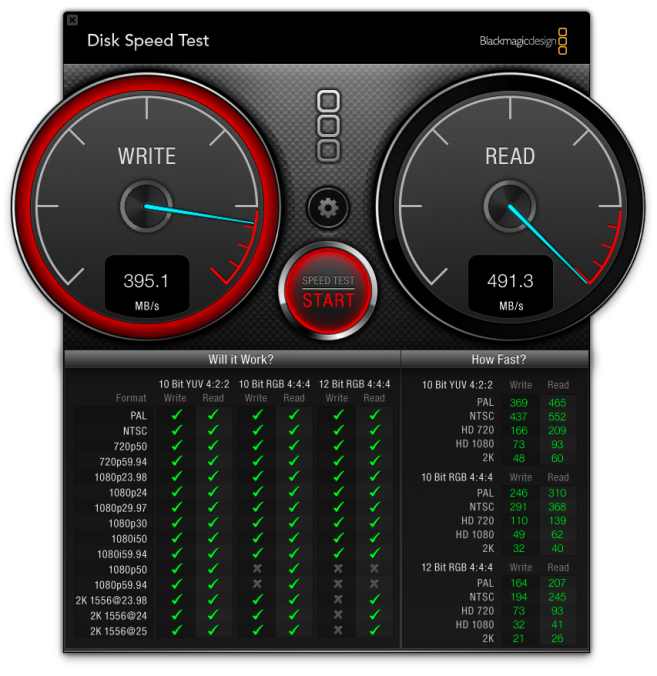
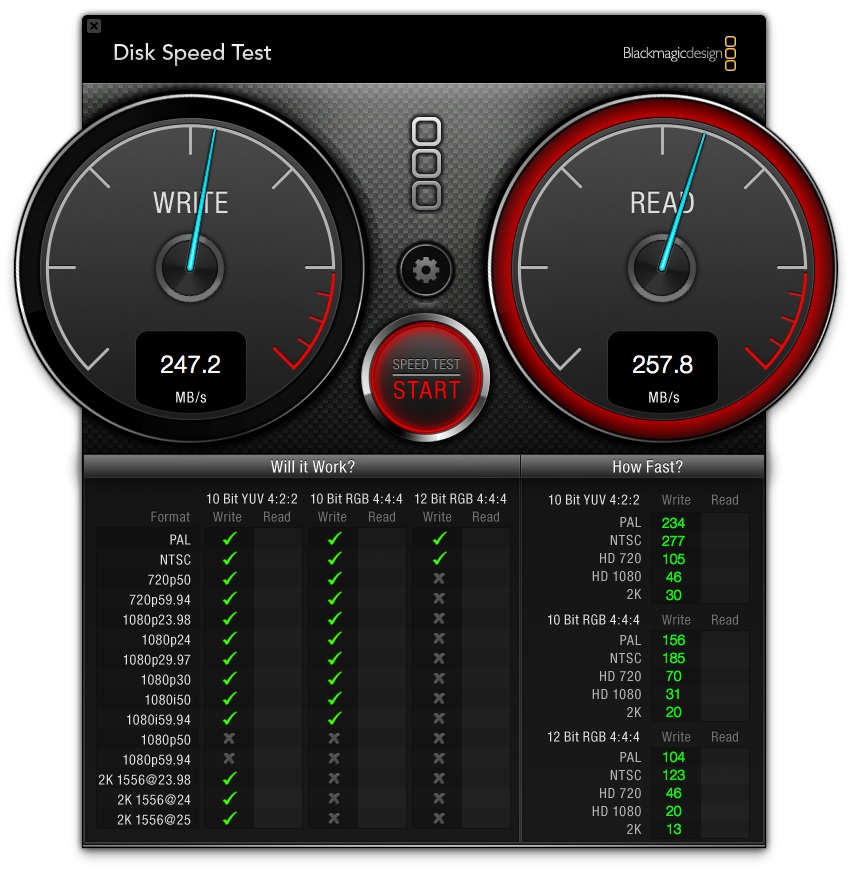
How fast is the 830 Series controller/chips? I had a chance to speed test the popular 2.5-inch 830 model late last year when it debuted. Typical speeds were over 400MB/s write and 500MB/s reads (below, left). That is almost twice as fast as the current MacBook Air SSD from Samsung (below, right), which itself is significantly faster than Toshiba’s SSD.
Samsung stopped short of announcing it is shipping the 830s to Apple, but the company confirmed it ran out of 470s a while ago and all of its SSD customers were receiving the updated 830 series. Samsung also confirmed that Apple is still a customer.
Today I ventured to the Las Vegas Apple Store to check the speeds of the MacBook Airs. I checked a new 128GB MacBook Air right out of the box which had the same “APPLE SSD SM128C” listed in System Profiler as my year-old Air. I checked the speed and it is indeed the old disk (same as above, right), which means the new Samsung SSDs haven not hit stores —at least here anyway.
Theoretically, a few things could happen at this point…
Following reports this morning from Macotakara that claimed Sharp would be supplying display panels for a next-generation iPad, a conflicting report from Korean publication Electronic Times Internet News (via PatentlyApple) claimed Sharp “failed to pass Apple’s approval process for mass production.” The report also claimed Samsung and LG already kicked production for iPad 3 panels into full capacity as of the beginning of this year:
It has been confirmed that Samsung Electronics and LG Display will supply LCD panels for Apple’s iPad 3, which is scheduled to be unveiled as early as in Q1 this year. Sharp was originally known to be developing display panels, but reportedly failed in initial supply.
According to the report, Apple is planning on placing orders for 65 million LCD panels for iPad 3 during 2012. It also claimed Samsung and LG would be supplying 5 million displays in the first quarter to meet demand for the device’s launch. Although there is obviously no way to verify this, and the publication does not exactly have a track record for breaking Apple news, the report does mention the same XQGA (2048×1536) display as Macotakara’s. The report cited only an “industry source.” Expand Expanding Close
According to the latest ChangeWave Research survey posted Monday, both Apple and Samsung are enjoying “explosive momentum” as 2012 begins while other handset makers are struggling to win the hearts of minds of consumers, such as Canada-based Research In Motion, which today updated its struggling BlackBerry platform with new software features, and Taiwan-based HTC, which posted a 26 percent income drop today —its first quarterly profit decline in two years.
Based on data obtained from 4,000 North American consumers, 54 percent of respondents planning to buy a smartphone in the next 90 days will opt for an iPhone. This is a drop from 65 percent last quarter, but more than enough to keep the coveted title of the most sought-after device. The iPhone’s “industry leading” customer satisfaction remains off the chart at 75 percent by vendor and mobile OS each (3 in 4 iPhone owners said they are ‘Very Satisfied’ with their device). Google’s Android is second with 47 percent mobile OS satisfaction rating and Samsung and HTC are at 47 percent each…
A report this evening from DigiTimes said the next iPad will have a monster battery that will more than double the current 6579 mAH to a whopping 14,000mAH. Apple currently uses battery suppliers Simplo Technology and Dynapack who both denied to comment on the report.
Furthermore, Apple is set to unveil two versions of its next-iPad, “One for the high-end segment and one for the mid-range segment” according to another DigiTimes report. Strangely, the report said the new iPads will be released at Macworld/iWorld in late January, a show that Apple has no plans to attend right now and bowed out of completely two years ago.
Apple is set to unveil its next-generation iPad – which will come in two versions – at the iWorld scheduled for January 26, 2012, according to sources at its supply chain partners
This is extremely unlikely; however, perhaps, a same-time but separate release could happen. More details that are interesting were reported, as well….
Perhaps in what might be read as a wake-up call for Apple, the Cupertino, Calif., gadget powerhouse was just served a dose of reality before a Dusseldorf court in Germany. A quick recap: Apple secured a sales ban on Samsung’s Galaxy Tab 10.1 in September on the grounds of too many similarities and patent infringement.
Samsung then re-engineered its device and re-introduced it under the Galaxy Tab 10.1N moniker, but Apple pushed for an injunction of that model, too. Today at the Dusseldorf court, presiding judge Johanna Brueckner-Hofmann made it known that Apple was pushing its luck with a request for an injunction.
UPDATE [Wednesday, December 21, 2011 at 7:25am ET]: A Samsung spokesperson chimed in, providing us with the official statement, included at the end of this article.
After Samsung confirmed the addition of four more complaints to its German patent offensive (two are standard-related patents, the other two being utility patents) on Monday, Apple this morning fired back by extending its Australian patent complaint to include Samsung-made cases for Galaxy tablets and smartphones, according to Bloomberg.
Apple issued the notice of infringement to Samsung in Australia over the cases, and will file a statement of claim, Apple’s lawyer Stephen Burley said at a hearing in Sydney today. Samsung’s lawyer Katrina Howard said at the same hearing the company was served with the notice that the cases infringe at least 10 patents.
The two companies are embroiled in a complicated legal fight that already includes more than 30 lawsuits filed against each other across the globe. The exact nature of Apple’s patent infringement claim concerning smartphone and tablet cases is not known, but 9to5Mac can’t help but wonder whether it has something to do with this.
Last time we checked with research firm IDC, they listed Apple at 68.3-percent of the worldwide tablet market with approximately 9.3 million units of the iPad 2 shipped in quarter two of 2011. While the firm’s estimates for Q3 saw a drop to 61.5-percent of the market, Apple still leads the market and increased shipments from the 9.3 million in Q2 to approximately 11.1 million units in Q3.
To put that in perspective, Apple’s closest competitor, Samsung, is over 10 times behind with just 5.6-percent of the market. The overall tablet market increased 23.9-percent to approximately 18.1 million units, representing a 264.5-percent increase from the year-ago quarter.
As for where Apple stands in comparison to the overall Android tablet market, IDC expects Android tablet market share to increase rapidly in Q4 from just 33.2-percent in Q3 to 40.3-percent. It’s important to note that IDC recently included “media tablets,” such as Amazon’s Kindle Fire and Barnes & Noble’s Nook Tablet, in their worldwide tablet market estimates. These additions will more than likely account for much of the increase.
This morning, Morgan Stanley significantly raised its forecasts for 2012, predicting Apple could possibly sell 90 million iPads during the year (in addition to 190 million iPhones). The analysts apparently have high hopes for Android 4.0’s ability to offer a competitive alternative to iPad going forward:
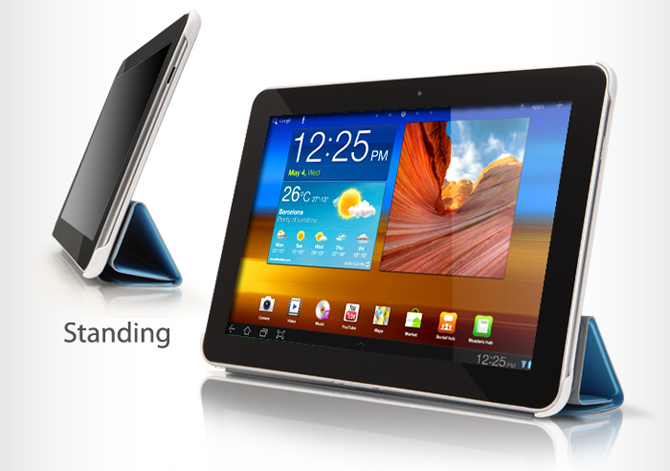
Last week Samsung got to breathe a sigh of relief as an Australian court ruled they didn’t “slavishly copy” the iPad with the Galaxy Tab 10.1, as Apple has been insisted from the onset in court documents. Yesterday, the South Korean company told the Sydney Morning Herald that the court cases have helped make their device a “household name” and today we are seeing the Galaxy Tab maker taking advantage of the media spotlight and the fact that it’s been in the headlines thanks to lawsuits and those cheesy commercials.
As tweeted by Martin Aungle, an Australian corporate and marketing communications professional, Samsung is now pitching its device as “the tablet Apple tried to stop”. The above advert ran in the Sun-Herald newspaper this week. Samsung has obviously decided to up the stakes in this game considering they resisted up until now mentioning Apple by name in their marketing communication. We’ll see, of course, whether publicly celebrating its courtroom victory at Apple’s expense will have any effect on sales.