Security

See All Stories

Investigatory Powers Act a serious threat to global privacy, says Apple

Site default logo image

Apple says that plans to increase the scope and powers of the UK’s Investigatory Powers Act is “a serious and direct threat to data security and information privacy” – not just to British citizens, but to all tech users worldwide.

The company says that the British government is trying to make itself “the de facto global arbiter of what level of data security and encryption are permissible” after a report last week noted that companies like Apple could be banned from issuing security updates without permission …

Expand Expanding Close

It’s not just iMessage: UK government could ban Apple security updates

Apple security updates ban | Facepalm photo

Everyone in the tech industry facepalms almost every time legislators try to pontificate on technology, but the British government appears to be trying to set a new record. After putting iMessage and FaceTime at risk, the government is now suggesting that it might ban some Apple security updates.

Under the latest plans, tech companies would need to notify the British government before rolling out a security fix but might be refused permission if it blocks a vulnerability that’s being exploited by security services…

Expand Expanding Close

Mac malware can easily bypass Apple’s Background Task Manager, says security researcher

Mac malware can easily bypass Apple's Background Task Manager | Close-up of MacBook keyboard

macOS has a number of built-in tools to detect Mac malware, with Background Task Manager added to the defenses last year. However, a security researcher says that this can be trivially bypassed, and that Apple failed to act on his recommendations to fix it.

Patrick Wardle presented his findings at the Defcon hacker conference, making the unusual decision to do so without advising Apple ahead of time …

Expand Expanding Close
Hidden VNC tool gives attackers full access to Macs; comes with $100K guarantee

Hidden VNC | Close-up of Mac keyboard and screen

Cybersecurity firm Guardz has found Russian hackers offering for sale a Hidden VNC tool specifically designed to give attackers full access to Macs. It follows a similar tool for accessing Windows PCs, and is geared to stealing personal data and logins.

The HVNC (Hidden Virtual Network Computer) is being sold on the dark web, and as a sign of good faith that the tool works as claimed, the hackers have deposited $100K in an escrow account …

Expand Expanding Close
Data breaches | Anonymous masks

Data breaches must be reported within 4 days, says SEC

There have been many cases of US companies covering up serious personal data breaches for months at a time – often only admitting to them when an outside source learns of it.

This isn’t possible in Europe, where the law requires unauthorized access to personal data to be reported to regulators within three days, and now the US is finally adopting a similar requirement – even if it’s not for your benefit …

Expand Expanding Close
Apple employee reportedly didn’t tell Google about zero-day exploit found in Chrome

Apple Safari and Google Chrome

As we often report here, it’s common for tech companies to help each other improve their security systems by sharing zero-day exploits found by security researchers. Google, for example, does this a lot. But recently, an Apple employee reportedly found a zero-day exploit in Google Chrome – and that bug was never reported to Apple by that person.

Expand Expanding Close
US Cyber Trust Mark will boost smart home security, says White House

Will Apple support US Cyber Trust Mark | Apple product range with Home app

The White House has announced a plan intended to improve the security of smart home tech. The government will test everything from smart speakers to Wi-Fi routers, awarding a US Cyber Trust Mark logo to products which pass the tests.

The National Institute of Standards and Technology (NIST) will set the standards to be met, and the Federal Communications Commission (FCC) will manage the program …

Expand Expanding Close
Russian security service bans all Apple devices, repeats nonsensical spying claims

Russian security service bans all Apple devices | Abstract surveillance image

The Russian security service, the FSB, has extended its earlier ban on the use of iPhones. The latest ban applies to thousands more government workers, and now includes iPads and Macs.

The FSB has repeated its earlier claims that Apple has provided the NSA with a backdoor into its devices, allowing US security services to spy on Russian officials …

Expand Expanding Close

ShadowVault macOS Stealer surfaces as the newest sophisticated Mac malware

ShadowVault macOS Stealer

Earlier this year, we saw a new malware designed for Macs called MacStealer that can compromise passwords, credit card numbers, crypto wallets, and more. After a second version of that popped up in April, a third advanced Mac malware called ShadowVault macOS Stealer has surfaced. Here’s what it can do and how to protect your Mac.

Expand Expanding Close
Why tips like ‘turn off your iPhone for five minutes’ don’t actually help users

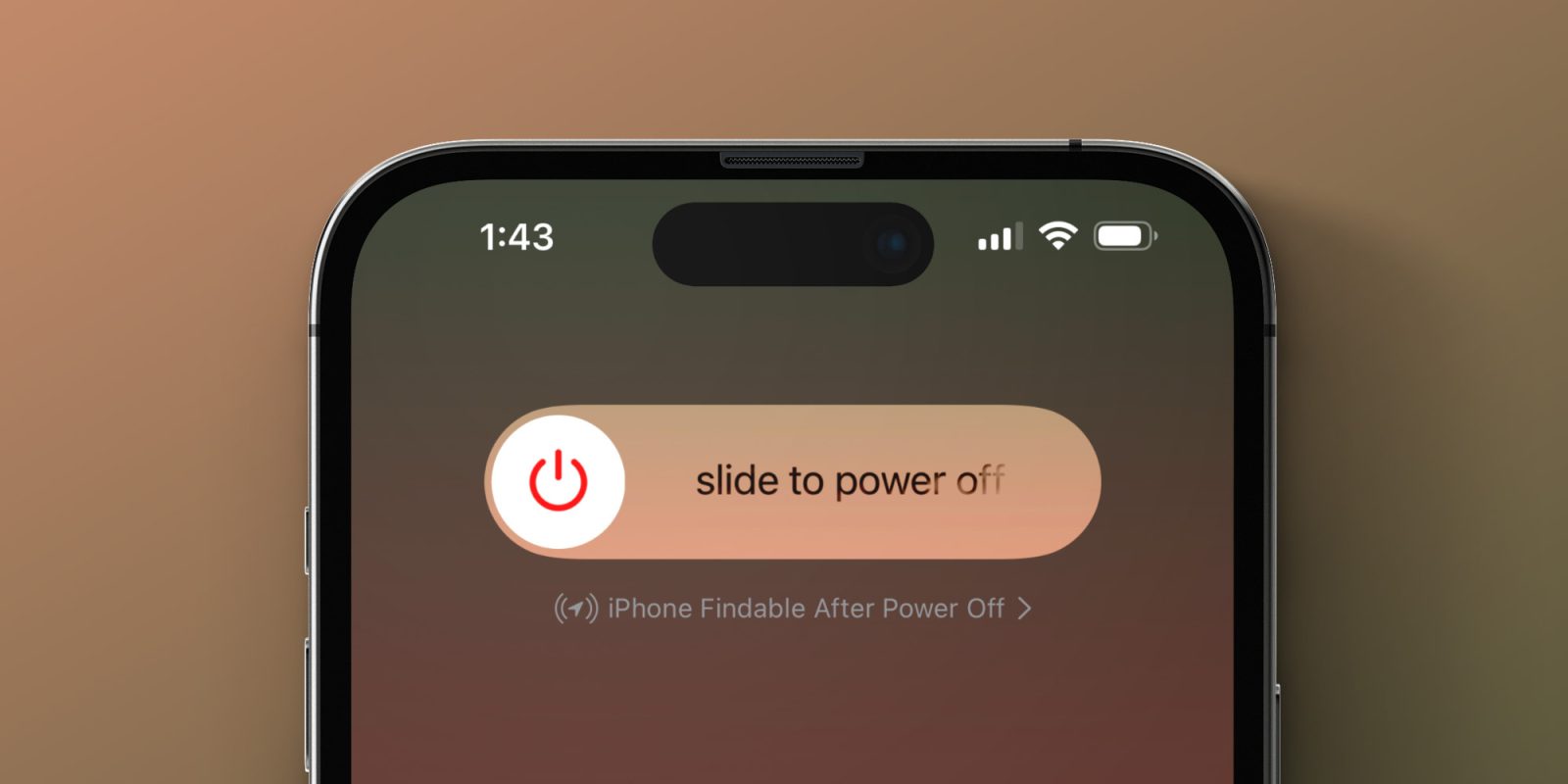
Last week, Australia’s prime minister offered some security advice for iPhone users, suggesting that everyone should turn off their iPhone for five minutes every night. On the surface, this may seem like harmless advice for iPhone users, but the reality is quite a bit more nuanced.

In fact, such broad and generalized statements like this one can do a disservice to most people. Here’s why.

Expand Expanding Close
Turn off your iPhone for five minutes – Australian PM echoes cybersecurity advice

Turn off your iPhone | Low-key photo of older iPhone

Australia’s prime minister has echoed the advice of cybersecurity professionals, in recommending that you turn off your iPhone for five minutes every night.

No, it’s not so you can reduce your daily Screen Time to 23 hours and 55 minutes, but to stop any spyware that may be running in the background on your device …

Expand Expanding Close
Apple responds to dubious iPhone security claim by Russia, vowing to never create a backdoor to iOS

iPhone theft passcode security

Earlier today, the Federal Security Service accused the NSA of hacking iPhones of citizens and foreign diplomats in Russia as part of a an espionage operation. Apple has now responded indirectly to Russia’s claim that the alleged operation included close cooperation between the company and the NSA. 9to5Mac has the statement below.

Expand Expanding Close