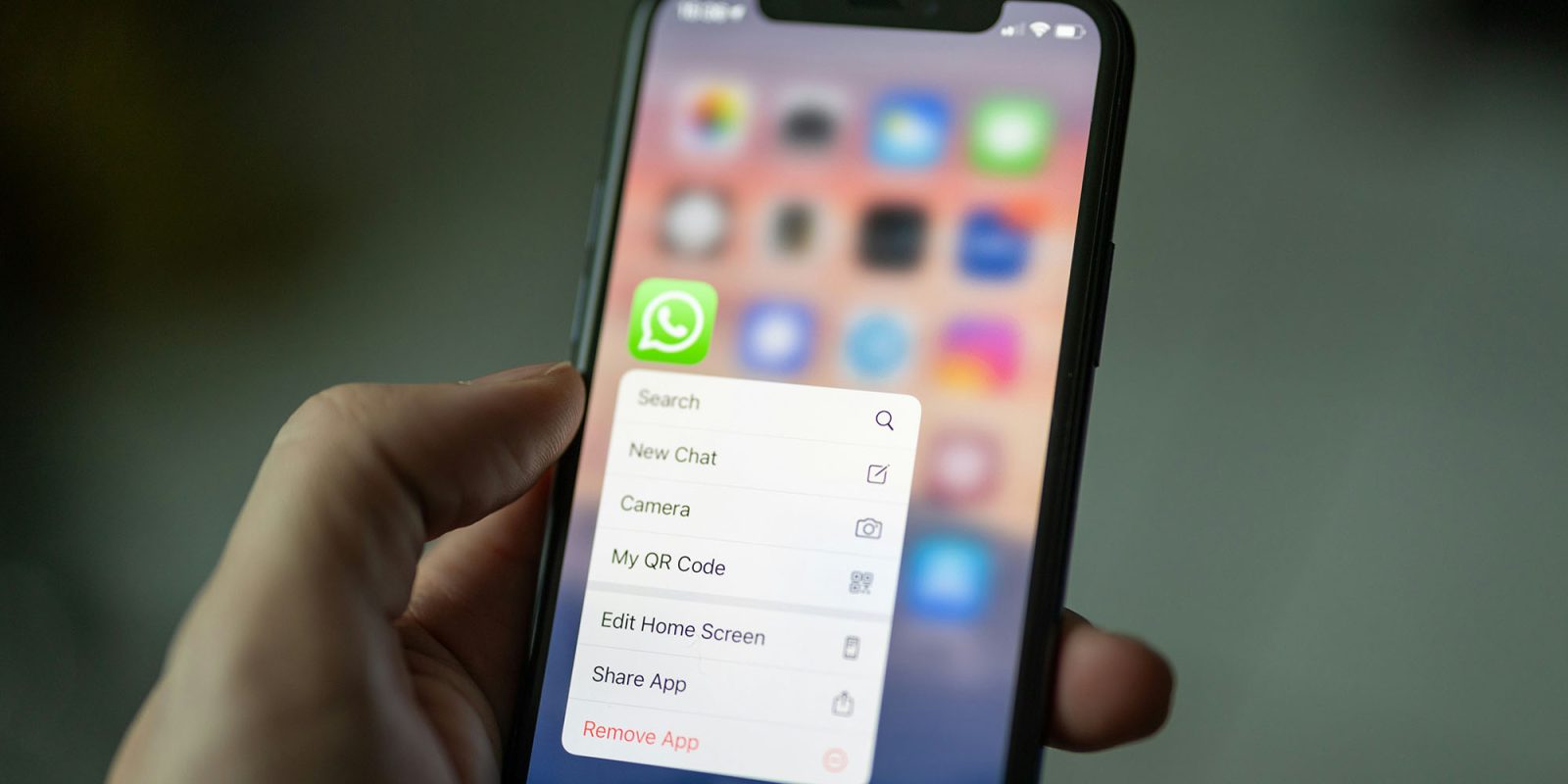
WhatsApp has announced that preteens can now use its messaging platform via new parent-managed accounts that come with certain restrictions. Here are the details.
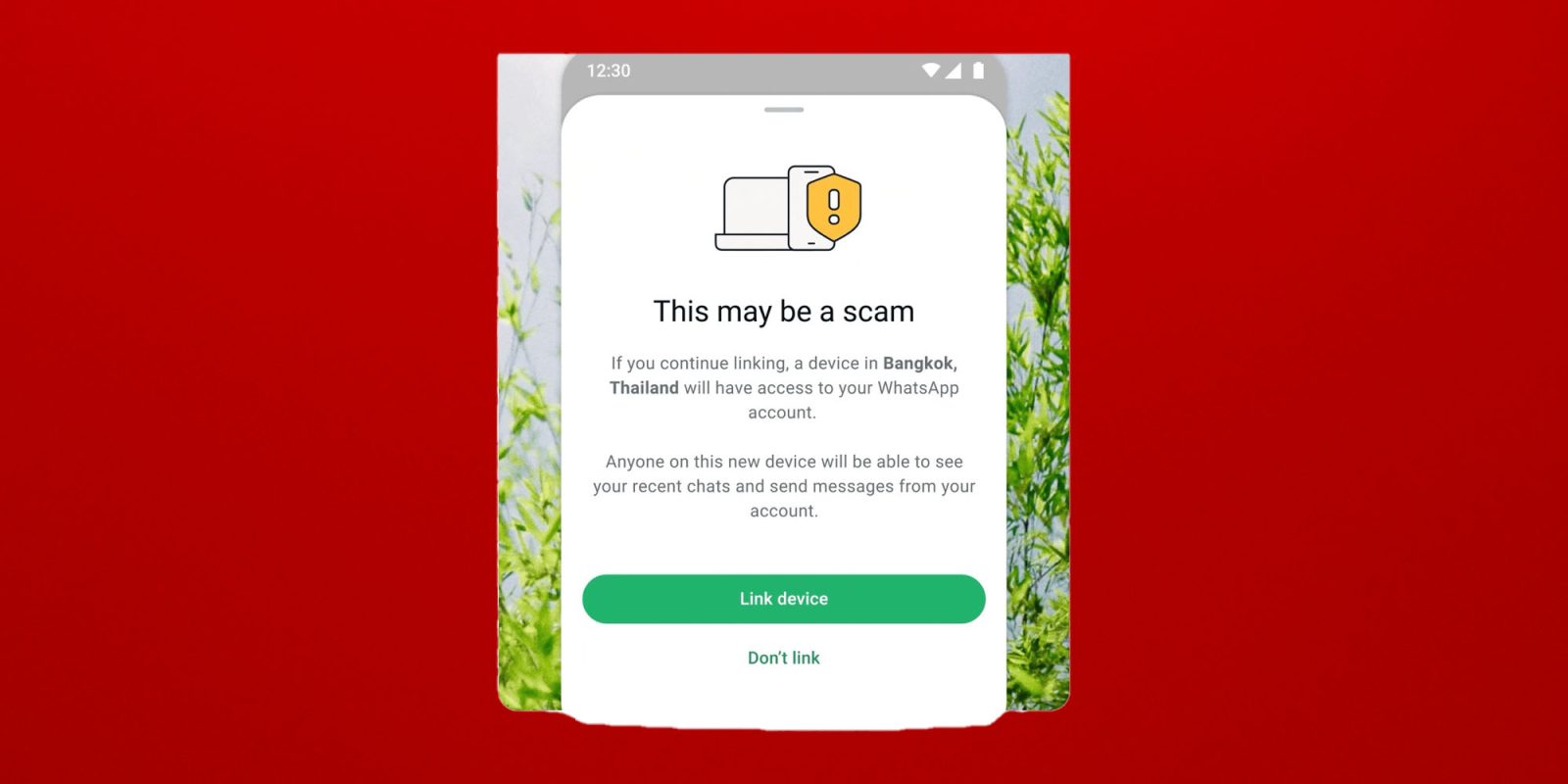
Meta says that it has removed over 159 million scam ads and taken down 10.9 million scam accounts on Facebook and Instagram. The company is also today launching new anti-scam tools on Instagram, Facebook, and WhatsApp. These aim to alert you to the three most common scam tactics used …
Both WhatsApp and Telegram have been blocked in Russia as the government tries to force people to use its unencrypted WeChat clone, Max. All messages sent and received in Max can be read by the government.
The government also blocked access to Facebook and Instagram, and designated parent company Meta as “an extremist organization” …
Both the founders of WhatsApp and current owner Meta state that the app uses end-to-end encryption, meaning that nobody outside the chat can access the content. A lawsuit claims that this isn’t true and that anyone inside Meta can get full access to all of the messages sent or received by any WhatsApp user.
Johns Hopkins University professor and cryptographer Matthew Green has weighed in with a blog post analyzing the claims and likely reality …
WhatsApp announced a pair of anti-spyware security improvements today, including a new ‘Strict Account Settings’ mode and behind-the-scenes changes to protect user data.
Following regulatory scrutiny, Meta has confirmed that the third-party LLM ban on WhatsApp won’t apply to users in Italy and Brazil. Here are the details.
The latest WhatsApp TestFlight build introduces sticker suggestions, eliminating the extra steps of having to open and sift through the sticker panel. Here’s how it works.
Now that WhatsApp is finally available as a proper app for the Apple Watch, Meta is working on a way to inform users when their account is paired with the accessory. The company is also working on a better chat, attachment, and storage management interface. Here are the details.
Update, 7:11 p.m. ET: A Meta representative reached out to 9to5Mac and provided the following statement:
“We are grateful to the University of Vienna researchers for their responsible partnership and diligence under our Bug Bounty program. This collaboration successfully identified a novel enumeration technique that surpassed our intended limits, allowing the researchers to scrape basic publicly available information. We had already been working on industry-leading anti-scraping systems, and this study was instrumental in stress-testing and confirming the immediate efficacy of these new defenses. Importantly, the researchers have securely deleted the data collected as part of the study, and we have found no evidence of malicious actors abusing this vector. As a reminder, user messages remained private and secure thanks to WhatsApp’s default end-to-end encryption, and no non-public data was accessible to the researchers.”
A massive WhatsApp security flaw exposed the phone number of almost every user on the planet – despite the fact that parent company Meta had been alerted to the vulnerability way back in 2017.
Security researchers were able to use what they described as a “simple” exploit to extract a total of 3.5 billion phone numbers from the messaging service …
Users under a higher risk of being targeted by hacking attempts will soon have the option to enable an extra set of security features on WhatsApp. Here are the details.
Starting next year, WhatsApp will finally add support for usernames, rather than relying exclusively on phone numbers. In a new update shared with businesses, Meta has detailed the rollout schedule and technical transition plan.
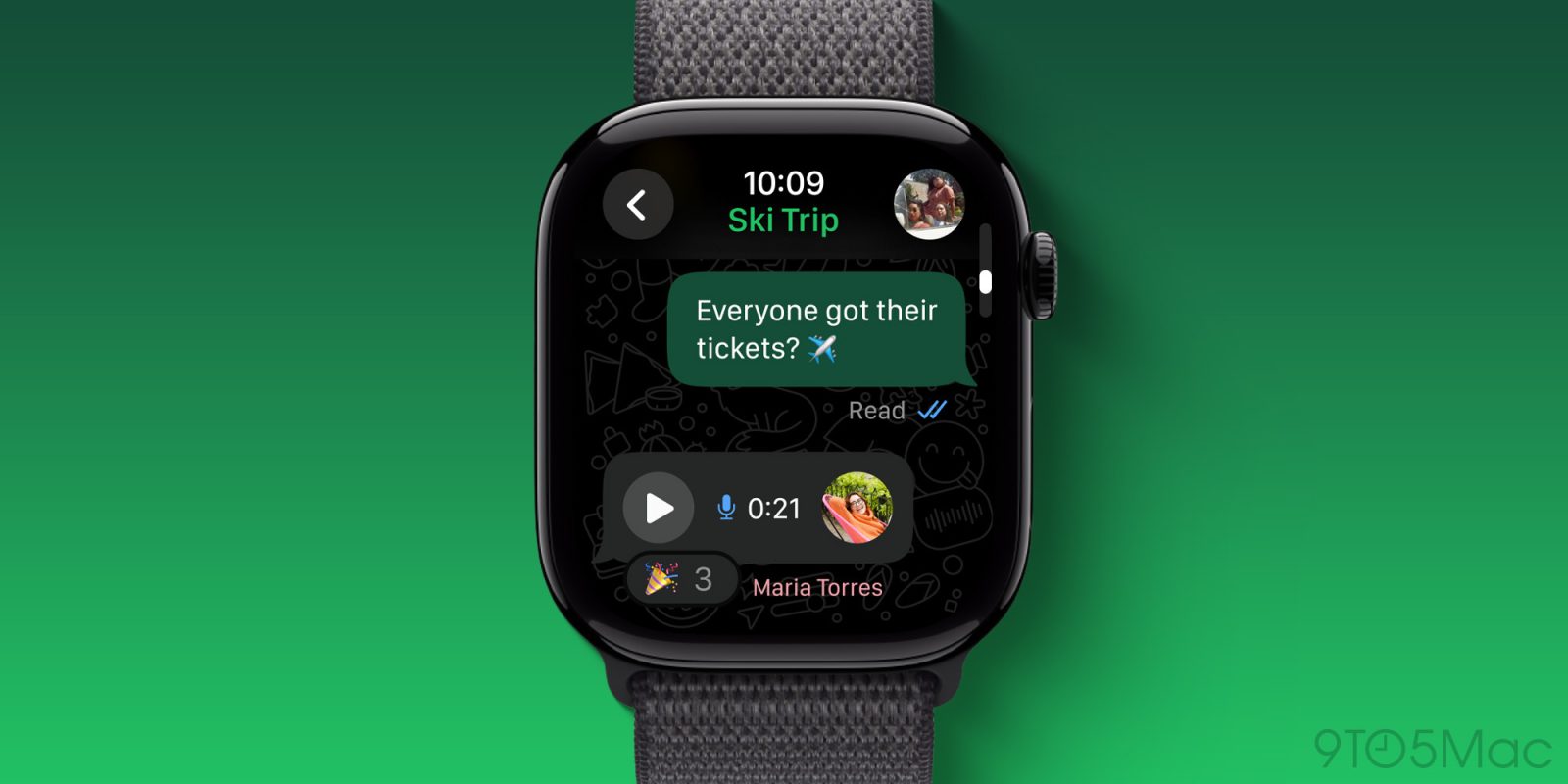
The rumors were true: WhatsApp for Apple Watch is official. Following last week’s TestFlight leak, Meta today announced the release of a full-featured watchOS version of WhatsApp. Here are the details.
With the update rolling out today, Mac users will have 38 color options to customize their WhatsApp chats, like on the iPhone version. Here’s how it works.
Today was a busy day for WhatsApp users. After confirming passkey support on Android and iOS, the company released a TestFlight build with a long-awaited feature for Apple Watch users. Here are the details.